The Death of “Watching”: Why We Don’t Fully Consume Content Anymore
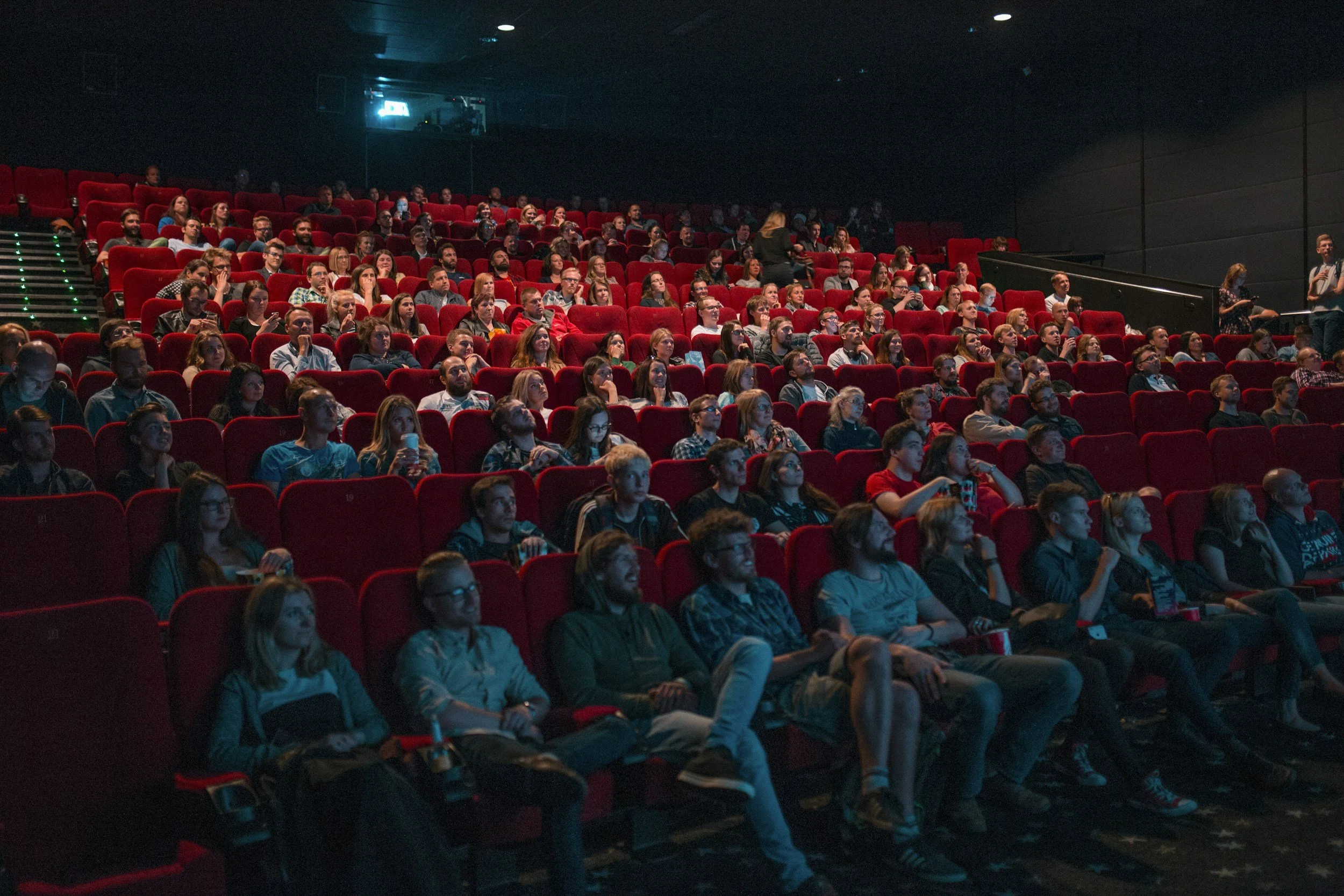
There was a time when watching something meant exactly that, staying with it from beginning to end. Whether it was a movie, a TV show, or even just a YouTube video, the unspoken rule was simple: you press play, and you stick around until the credits roll or the last frame fades out. Watching was an immersive experience, a commitment of attention and time that allowed us to fully engage with the story, the characters, and the emotions being conveyed.
Today, that relationship has shifted in dramatic ways. We don’t really “watch” the way we used to. Instead, we skim, sample, interrupt, and often abandon content halfway through almost without thinking about it. Our attention has fragmented so much that finishing what we start has become the exception, not the rule. This shift reflects broader changes in technology, culture, and psychology, reshaping not only how we consume media but also how we experience and interpret it.
How Short-Form Content Has Changed Everything
The rise of platforms like TikTok, Instagram Reels, and YouTube Shorts has transformed not just what we consume, but how we consume it. These bite-sized videos, sometimes just a few seconds long, are designed for rapid-fire consumption. It’s a constant swipe, switch, and scroll, jumping from one tiny story to the next, seldom giving any single piece its full attention. This new format caters to our shrinking attention spans and the desire for instant gratification.
Research backs this up. Studies find that very few viewers fully concentrate on short videos; most are already distracted or gearing up to move on before the video finishes. It’s less like passive watching and more like continuous selection a stream of fleeting moments, each competing for that precious split second of focus. The sheer volume of content available means that viewers feel compelled to keep searching for the next best thing, rarely settling on one piece for long.
Moreover, the algorithms behind these platforms are finely tuned to maximize engagement by serving up content that triggers emotional responses quickly, whether laughter, surprise, or shock. This creates a feedback loop where viewers are constantly rewarded with new stimuli, reinforcing the habit of rapid consumption and making it harder to slow down and focus deeply.
WANT MORE FILM AND ENTERTAINMENT BREAKDOWNS? READ MY LATEST ANALYSIS HERE
The Mind in the Age of ‘Continuous Partial Attention’
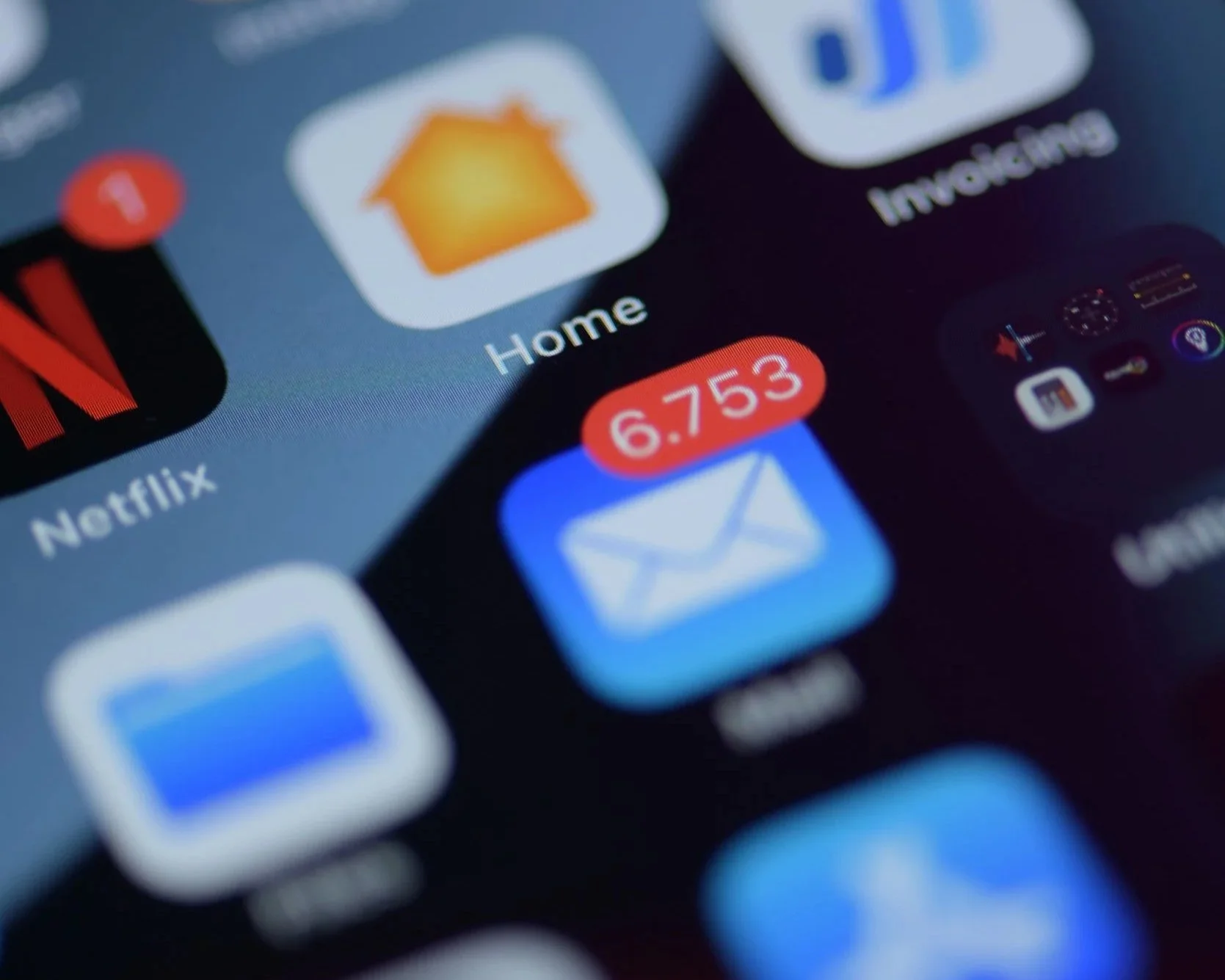
This behavior is what psychologists call “continuous partial attention.” It’s a mental state where our focus is never fully on one thing but split across multiple streams of content. Watching a video while scrolling through comments, listening to music while checking messages, our minds dart from stimulus to stimulus. This multitasking may feel productive, but it often leads to superficial engagement and cognitive overload.
And this isn’t accidental. Platforms are engineered to keep us hooked by flooding us with new content, new emotions, new reasons to keep swiping. This creates a feedback loop: sustained, patient attention feels unnatural, almost as if our brains crave constant novelty. The dopamine hits from unpredictable rewards keep us tethered to our screens, making it difficult to resist the urge to keep scrolling even when we want to focus.
Why Long-Form Content Feels More Challenging Than Ever
Contrast this with traditional long-form media films, documentaries, or in-depth essays. These forms rely on pacing, buildup, and delayed gratification. But our modern viewing habits aren’t very patient. Research shows many viewers decide in a matter of seconds whether to continue watching. If the opening moments don’t grab them immediately, they move on. This has forced creators to rethink storytelling techniques, often compressing narratives to fit shorter attention spans.
So, what does it mean when we say we’re “watching” something? Increasingly, it means sampling dozens of content snippets in one sitting, half-read articles, paused shows, and unfinished videos. It’s less about deep absorption and more about exposure, flickering across a fragmented landscape of stories and ideas. This shift raises questions about the quality of our media experiences and whether we’re losing the ability to fully immerse ourselves in complex narratives.
The Psychological Pull of Constant Novelty
Our brains are wired to respond strongly to unpredictable rewards, the surprise of something funny, shocking, or emotionally touching. Short-form content plays right into this, creating a compulsive cycle where we keep swiping, looking for the next spark. Over time, slower, slower-building stories feel almost intolerable, no matter how rich or meaningful they might be. This can lead to a preference for instant gratification and a diminished capacity for patience.
Interestingly, this craving for novelty is not new, but the scale and speed at which it is delivered today are unprecedented. The endless scroll feeds our desire for fresh stimuli, but it also fragments our attention and diminishes our ability to appreciate depth and nuance. As a result, content that requires time and reflection may struggle to find an audience in this environment.
Attention Is Not Lost, Just Shifted
But it’s important to remember: attention hasn’t disappeared. People can still focus deeply, especially when the content truly connects, whether emotionally or intellectually. The catch? The threshold for earning that undivided attention has never been higher. Content now has to fight an environment full of interruptions and endless choices.
This is why even longer YouTube videos have evolved: faster pacing, sharper editing, and immediate hooks that grab you from the very first second. Storytelling is adapting, trying to keep pace with the way attention itself is evolving. Creators are learning to blend the depth of long-form content with the immediacy demanded by modern viewers, crafting experiences that are both engaging and substantial.
JOIN THE COMMUNITY
Stay ahead in entertainment and media trends. Subscribe for weekly insights on TV, streaming, social media, and storytelling—plus commentary and trending breakdowns delivered straight to your inbox.
What About Memory and Learning?
This shift doesn’t just change how we watch; it also affects how we remember and learn. Studies suggest that jumping rapidly between short clips can make it harder to retain what we’ve seen or planned to do next. It’s not about the content being shallow, but about the brain constantly resetting its focus, which makes forming lasting memories a challenge.
In educational contexts, this has significant implications. The fragmented attention encouraged by short-form content may undermine deep learning and critical thinking. To counteract this, educators and content creators must find ways to engage learners more fully, perhaps by integrating storytelling techniques that capture attention while encouraging reflection and synthesis.
The Bigger Picture: How We Handle Information and Thought
What feels deeply personal about this change is how it reshapes not just entertainment, but how we process all kinds of information, reading, listening, and thinking. When interruption becomes the norm, sustained focus and by extension, deep understanding, starts feeling like an uphill battle. This shift challenges our cognitive capacities and forces us to reconsider how we approach knowledge and communication in a digital age.
Yet long-form content isn’t disappearing. Podcasts, essays, documentaries, and thoughtful videos still draw audiences. But today, they must earn every single second of attention, especially when competing with our short-form conditioning. This means creators must be more intentional and strategic, crafting content that respects the viewer’s time and intelligence while standing out in a crowded media landscape.
The New Meaning of ‘Watching’
What’s happening now isn’t the end of watching. It’s a transformation watching is becoming fragmented, selective, and reactive. Instead of settling in and staying with a piece from start to finish, we move through a landscape of constant choices, evaluating at every moment whether the next swipe will bring something better.
Fully consuming content, sitting through something without interruption, this used to be the default. Now, it’s a deliberate choice. And in this shift, the very meaning of what it means to watch has changed. Understanding this evolution helps us become more mindful consumers of media, aware of how our habits shape our attention, memory, and ultimately, our experience of the world.
STAY IN THE CONVERSATION BEYOND THE SCREEN
If this shift in attention feels familiar, it’s because you’re already living inside it. The way we consume content is actively reshaping how we think, create, and even experience stories in real time, often without us noticing until something feels off.
If you’re a creator, filmmaker, or someone trying to make sense of where media is headed next, this is exactly the conversation AIL is built for. Subscribe to the AIL newsletter to get deeper essays, cultural breakdowns, and industry insights delivered directly, no algorithm, no noise, just a focused perspective on where film, internet culture, and storytelling are going.
And if this topic resonates with you, you’ll also want to read the recent post on Hollywood’s CGI problem: When spectacle replaces substance, where we break down how visual overload is changing the emotional weight of modern films and why audiences are starting to feel disconnected from big-budget storytelling.
The shift isn’t coming. It’s already here. The question is whether you’re watching it unfold or paying attention to what it’s becoming.
DISCLAIMER FOR ART IMITATING LIFE
While we strive to provide accurate and helpful content on this site, Art Imitating Life makes no warranties or guarantees regarding the accuracy, completeness, or reliability of any information, advice, or opinions shared here. Use of the content on this website is at your own risk, and to the fullest extent permitted by law, Art Imitating Life is not liable for any losses, damages, or other consequences resulting from its use. By accessing and using this website, you acknowledge and accept this disclaimer and agree to its terms.
Our website may contain links to external websites for your convenience. These external sites are not controlled, sponsored, or endorsed by Art Imitating Life. We do not assume any responsibility for the content, availability, or practices of these third-party sites and disclaim liability for any loss or damage arising from your use of them.
