Netflix Ditches Warner Bros Deal as Paramount Takes Lead in 2026 Streaming Wars
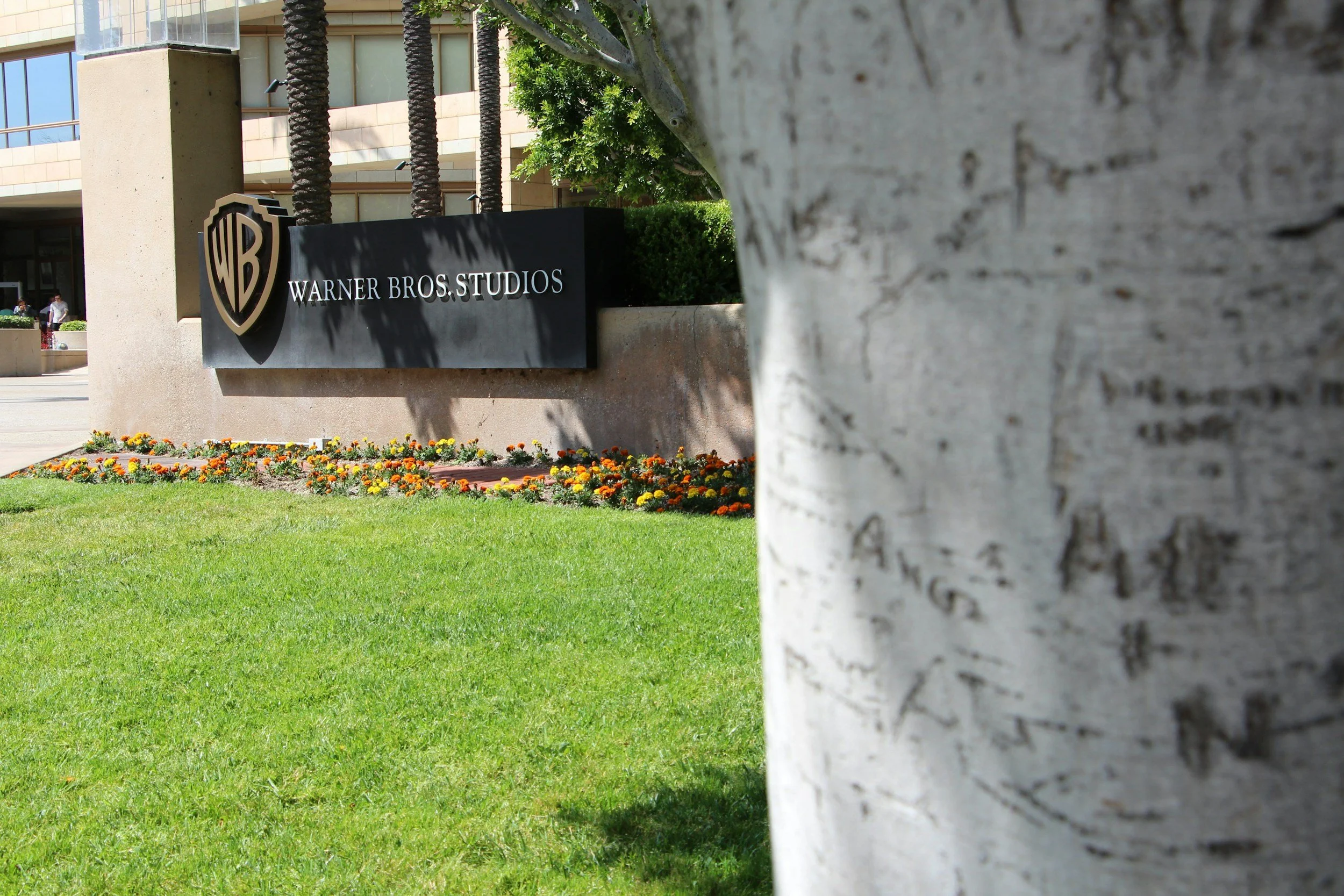
The streaming world is once again in flux. In 2026, Netflix officially withdrew from its attempt to acquire Warner Bros. Discovery, a move that has left one of Hollywood’s most valuable content libraries suddenly up for grabs. With Paramount Skydance submitting a higher offer that Warner Bros. Discovery’s board deemed a superior proposal, the industry is watching closely as Paramount emerges as the leading contender for a collection of assets that could reshape the streaming landscape for years to come.
This isn’t just another blocked acquisition. It’s a moment that reflects how the economics, strategies, and priorities of streaming platforms have evolved dramatically since the early days of the streaming wars.
Netflix Walks Away: Calculated Strategy, Not Panic
Netflix’s decision to step back wasn’t a knee‑jerk retreat; it was a calculated choice rooted in financial logic. According to public reporting, Paramount Skydance’s offer placed a significantly higher valuation on Warner Bros. Discovery than Netflix’s original proposal. Warner’s board determined that Paramount’s deal could be considered a “superior proposal” under the terms of its agreement with Netflix.
Rather than matching Paramount’s higher price tag, Netflix chose not to raise its bid. Executives framed the decision as a financial one: the price required to compete no longer aligned with Netflix’s long‑term strategy and cost structure.
This moment underscores an important truth about today’s streaming economy: expansion at any cost is a thing of the past. Platforms are now balancing growth with sustainability, profitability, and strategic clarity. For Netflix, that means focusing on what it owns original content and IP designed to travel globally without the constraints of temporary licensing deals.
Why Paramount Skydance Is Now in the Lead
Paramount Skydance’s bid positions the company to acquire Warner Bros. Discovery’s studio operations, film slate, television production, and subscription streaming service assets, including HBO Max.
While the deal still requires regulatory review and shareholder approval, Paramount’s offer is currently the dominant proposal. Should it move forward, the acquisition would instantaneously elevate Paramount’s competitive posture in streaming by adding one of the richest content libraries in Hollywood history.
For Paramount, the strategic incentive is clear. Despite steady growth, Paramount+ remains behind the market leaders in both global subscribers and cultural footprint. Gaining access to Warner Bros.’ franchises, television catalog, and cinematic library would instantly strengthen Paramount’s value proposition, expanding its demographic reach and retention potential.
WANT MORE FILM AND ENTERTAINMENT BREAKDOWNS? READ MY LATEST ANALYSIS HERE
Warner Bros. Content: Why It Still Matters
Even as streaming strategies evolve, certain assets remain fundamentally valuable. The Warner Bros. library represents decades of storytelling across genres, formats, and cultural moments. This includes blockbuster film franchises, critically acclaimed dramas, television hits that shaped generations, and beloved content with long‑term viewer affinity.
Such content does more than attract subscribers; it anchors them. In an era where streaming platforms compete on brand identity as much as catalogue size, recognizable IP serves as a touchstone for cultural relevance, nostalgia, and sustained engagement.
If Paramount secures these rights, it wouldn’t merely acquire more shows and movies; it would acquire a deeper emotional connection with audiences. That connection translates into longer subscription retention, stronger word‑of‑mouth discovery, and more predictable viewing behavior, all valuable metrics in today’s data‑driven streaming economy.
The Bigger Industry Shift: Ownership Over Licensing
The collapse of this deal highlights how far the streaming industry has come since the days of early content licensing.
Platforms once competed primarily on content volume; whoever had the largest catalog won. Early Netflix deals for massive libraries once defined its growth strategy. But the modern landscape is dominated by a different priority: ownership.
Owning content outright gives platforms:
Control over distribution windows
Flexibility in global pricing and bundling
Freedom from licensing renewals
Long‑term integration with original pipeline strategies
This explains why Disney pulled its entire catalog from Netflix to launch Disney+, why Peacock reclaimed The Office, and why HBO Max was built to house Warner‑owned IP under one roof.
In short, studios now prioritize strategic ownership over short‑term licensing revenue because the former builds long‑term platform equity, a currency that matters far more in today’s competitive market.
What This Means for the Streaming Wars
Netflix’s decision reinforces its identity as a platform anchored in original content. With a renewed emphasis on Netflix Originals global productions, genre diversity, auteur projects, and data‑informed programming, Netflix is doubling down on what differentiates it from the pack rather than chasing legacy catalogs at any cost.
Meanwhile, if Paramount Skydance successfully acquires Warner Bros. assets, it would represent a major leap in competitive scale. Paramount+ could transform from a credible but middling contender into a platform with must‑have content pillars capable of attracting wider and more diverse viewership.
For Warner Bros. Discovery, the deal presents both opportunity and challenge. On one hand, licensing or selling valuable content helps address ongoing financial pressures. On the other hand, relinquishing control of iconic IP raises questions about the long‑term strategy behind the massive merger that created the company in the first place.

JOIN THE COMMUNITY
Stay ahead in entertainment and media trends! Subscribe to our newsletter for weekly insights on TV series, streaming updates, social media influence, and modern storytelling. Get expert commentary, trending content breakdowns, and tips delivered straight to your inbox.
The Takeaway
This unresolved acquisition fight isn’t just about who buys what; it’s a defining moment in how streaming platforms define value.
Netflix’s withdrawal signals confidence that content creation and ownership, not merely access to legacy libraries, will determine competitive advantage going forward. Paramount’s ambition demonstrates that content remains one of the few levers powerful enough to shift market positioning meaningfully.
As the streaming wars continue to mature, the industry is entering a phase of consolidation and strategic specialization. Platforms must choose whether they want to be:
Owners of the original culture
Hosts of licensed libraries
Or both, and at what cost
Netflix’s bet is clear: original, owned content wins longer than borrowed content.
And if Paramount ultimately wins the Warner Bros. deal, it will mark one of the most consequential realignments in the streaming era, one that could influence viewer habits, subscription bundles, and corporate strategies throughout the rest of the decade.
READY TO DIVE DEEPER INTO THE FUTURE OF STREAMING?
What do you think was Netflix smart to walk away from Warner Bros., or did they miss a major opportunity in the evolving streaming landscape? Drop your thoughts below and join the conversation.
If you're interested in exploring the bigger picture behind these industry shifts, you can also check out our previous analysis on the changing relationship between Netflix and Warner Bros, as well as our breakdown of how streaming strategies are reshaping the future of studio partnerships.
And if you're curious about how audiences themselves are influencing the direction of entertainment, be sure to read our deep dive on The Rise of Reaction Content because the real power in media may not just be in boardrooms, but in the viewers watching, reacting, and deciding what thrives next.
DISCLAIMER FOR ART IMITATING LIFE
While we strive to provide accurate and helpful content on this site, Art Imitating Life makes no warranties or guarantees regarding the accuracy, completeness, or reliability of any information, advice, or opinions shared here. Use of the content on this website is at your own risk, and to the fullest extent permitted by law, Art Imitating Life is not liable for any losses, damages, or other consequences resulting from its use. By accessing and using this website, you acknowledge and accept this disclaimer and agree to its terms.
Our website may contain links to external websites for your convenience. These external sites are not controlled, sponsored, or endorsed by Art Imitating Life. We do not assume any responsibility for the content, availability, or practices of these third-party sites and disclaim liability for any loss or damage arising from your use of them.
