The Unsung Heroes of Action Cinema: Celebrating the Art of Stunt Performance
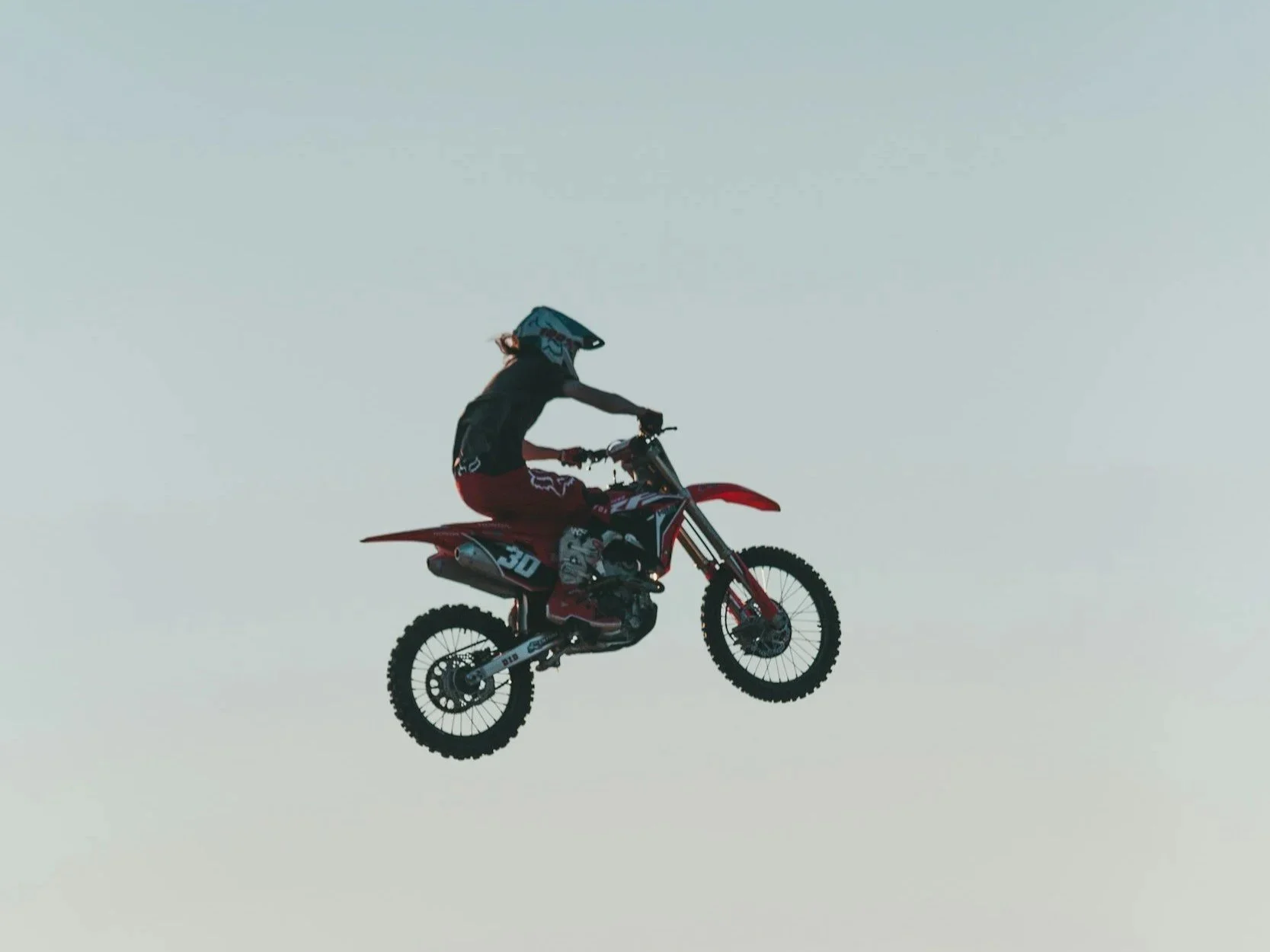
If you’ve ever found yourself on the edge of your seat during a pulse-pounding fight scene or gasped at a jaw-dropping car chase, chances are you’ve been swept away by the work of stunt performers. These incredible athletes are the silent architects behind cinematic thrills, executing jaw-dropping feats that define the action genre, yet often their names are left off the marquee, their contributions invisible to most audiences.
This week, we pull back the curtain and shine a well-deserved spotlight on stunt performers, with a special look at one of the most influential figures in bringing their craft into the limelight: David Leitch. Alongside legendary icons like Bruce Lee and Chuck Norris, Leitch’s journey from stuntman to visionary director embodies the evolving recognition of stunt work as an art form, rich in both skill and storytelling power.
David Leitch: From Stunt Performer to Visionary Director
Not many people start their careers literally throwing their bodies around for a living and end up directing some of the biggest action blockbusters in recent memory. That’s precisely what makes David Leitch’s story so captivating. Beginning as a stunt performer and coordinator, Leitch co-founded the stunt team 87Eleven an outfit that quickly became a powerhouse in Hollywood for crafting complex and realistic stunt sequences.
Early on, Leitch worked as a stunt double and coordinator on numerous high-profile projects, building a reputation for meticulous choreography and a deep understanding of how physical movement conveys narrative emotion. His big break behind the camera came with the 2014 film John Wick, which he co-directed with Chad Stahelski. The film’s brutal yet balletic action sequences reset the standard for modern action cinema, showcasing long, uninterrupted takes that captured the kinetic energy and physical grit of the stunts in a way audiences hadn’t seen in years.
Leitch continued to push boundaries in films like Atomic Blonde (2017), Deadpool 2 (2018), and Fast & Furious Presents: Hobbs & Shaw(2019). His insistence on practical stunts, real people performing real feats, brings a visceral authenticity to his work. Even in Bullet Train (2022) and The Fall Guy (2024), this commitment remains clear. In an era dominated by CGI and rapid editing, Leitch champions a style that connects audiences directly to the physicality of the performance, honoring the craft and bravery of stunt professionals.
WANT MORE FILM AND ENTERTAINMENT BREAKDOWNS? READ MY LATEST ANALYSIS HERE
Bruce Lee’s Lasting Legacy: More Than Martial Arts
Any conversation about the art of fight scenes must acknowledge Bruce Lee, whose influence forever transformed action cinema. Lee redefined martial arts choreography by blending philosophy, personality, and realism, elevating fight scenes into a form of storytelling.
His commitment to performing his own stunts set a new benchmark for authenticity, collapsing the divide between actor and stunt performer. Every movement carried intention, emotion, and narrative weight. Lee’s influence extended beyond his own films, shaping the broader martial arts genre and inspiring performers and filmmakers alike.
This impact reached figures like Chuck Norris, who starred alongside Lee in Way of the Dragon (1972). Together, they helped bring martial arts into mainstream global cinema, reinforcing the idea that physical performance could carry storytelling just as powerfully as dialogue.
Chuck Norris: The Embodiment of Martial Arts Authenticity
While not strictly a stuntman, Chuck Norris played a pivotal role in redefining audience expectations of action performance. His martial arts expertise brought a level of precision and believability that elevated on-screen combat.
Norris demonstrated that action was not just spectacle, but discipline, a craft requiring timing, control, and intention. His presence helped audiences recognize the value of authenticity in physical performance, paving the way for stunt professionals and action choreographers to be appreciated as artists rather than background contributors.
This cultural shift contributed to a growing respect for stunt work, laying the foundation for its evolving recognition within the film industry.
The Art and Craft of Stunt Performance
Stunt performance is far more than controlled chaos. It is a highly technical discipline that blends choreography, timing, and risk management into a visual language of storytelling. Every fall, fight, and collision is carefully designed to communicate something tension, character, or narrative progression.
A well-executed stunt is not just visually impressive; it serves the story. It can reveal vulnerability, establish stakes, or mark a turning point, all without a single line of dialogue.
Despite this, stunt performers have historically been underrecognized. The absence of a dedicated Academy Award category remains a point of contention, though growing advocacy and industry awareness suggest change may be on the horizon. Directors who prioritize practical effects and grounded action are helping shift perception, bringing stunt work into clearer focus as an essential cinematic art form.

JOIN THE COMMUNITY
Stay ahead in entertainment and media trends! Subscribe to our newsletter for weekly insights on TV series, streaming updates, social media influence, and modern storytelling. Get expert commentary, trending content breakdowns, and tips delivered straight to your inbox.
Stunt Performers: The Ultimate Storytellers in Motion
The stories of David Leitch, Bruce Lee, and Chuck Norris illustrate a deeper truth: stunt performers are storytellers. Through movement, they build tension, express emotion, and shape narrative arcs.
The hesitation before a strike, the rhythm of a fight, the escalation of a chase, these moments carry meaning. They invite the audience to feel the action, not just observe it.
This craft demands more than physical ability. It requires an understanding of cinematic pacing, emotional beats, and visual storytelling. Stunt performers operate at the intersection of risk and artistry, transforming action into a visceral, immersive experience.
Wrapping Up: Celebrating Skill, Courage, and Artistry
As the film industry continues to evolve, so too does its appreciation for stunt performers. Figures like David Leitch, alongside legends such as Bruce Lee and Chuck Norris, have helped reshape how we view action cinema not just as spectacle, but as a form of storytelling driven by physical performance.
While formal recognition is still catching up, the growing spotlight on stunt work signals a meaningful cultural shift. It encourages audiences to look beyond the visible stars and appreciate the artists who bring action to life.
The next time you watch a thrilling sequence, consider the performers behind it. Their work is not just daring, it is essential. They are, without question, the heart of action cinema.
READY TO DIVE DEEPER INTO THE FUTURE OF STREAMING?
Before you go, don’t miss our previous deep dive into the rise of nihilistic storytelling in modern film and television, where we explore how darker narratives are reshaping the industry. And for a more reflective look at the human side of entertainment, revisit our piece on remembering Nicholas Brendon, an honest conversation about legacy, struggle, and the realities behind the screen.
DISCLAIMER FOR ART IMITATING LIFE
While we strive to provide accurate and helpful content on this site, Art Imitating Life makes no warranties or guarantees regarding the accuracy, completeness, or reliability of any information, advice, or opinions shared here. Use of the content on this website is at your own risk, and to the fullest extent permitted by law, Art Imitating Life is not liable for any losses, damages, or other consequences resulting from its use. By accessing and using this website, you acknowledge and accept this disclaimer and agree to its terms.
Our website may contain links to external websites for your convenience. These external sites are not controlled, sponsored, or endorsed by Art Imitating Life. We do not assume any responsibility for the content, availability, or practices of these third-party sites and disclaim liability for any loss or damage arising from your use of them.
