Genre in Focus: Suburban Horror Everyday Terror in Film & TV
Film and television trends don’t emerge randomly. Genres cycle back into relevance when cultural anxieties, audience behavior, and industry shifts align. Genre in Focus is an ongoing editorial series examining the resurgence of specific film and television genres, how they’re being reimagined for modern audiences, and what these creative shifts reveal about the current entertainment landscape.
Instead of relying on nostalgia, this series explores genre evolution through an industry perspective, focusing on shifting storytelling methods and production approaches, along with audience expectations driven by streaming, franchise fatigue, and social commentary. Each installment looks at why a genre is making a comeback, how creators are modifying its conventions, and what its renewed interest means for the future of film and TV.
For our first entry, we’re spotlighting a genre that has quietly dominated recent releases, utilizing familiar settings to explore deeper psychological and cultural fears.
The Rise of Suburban Horror
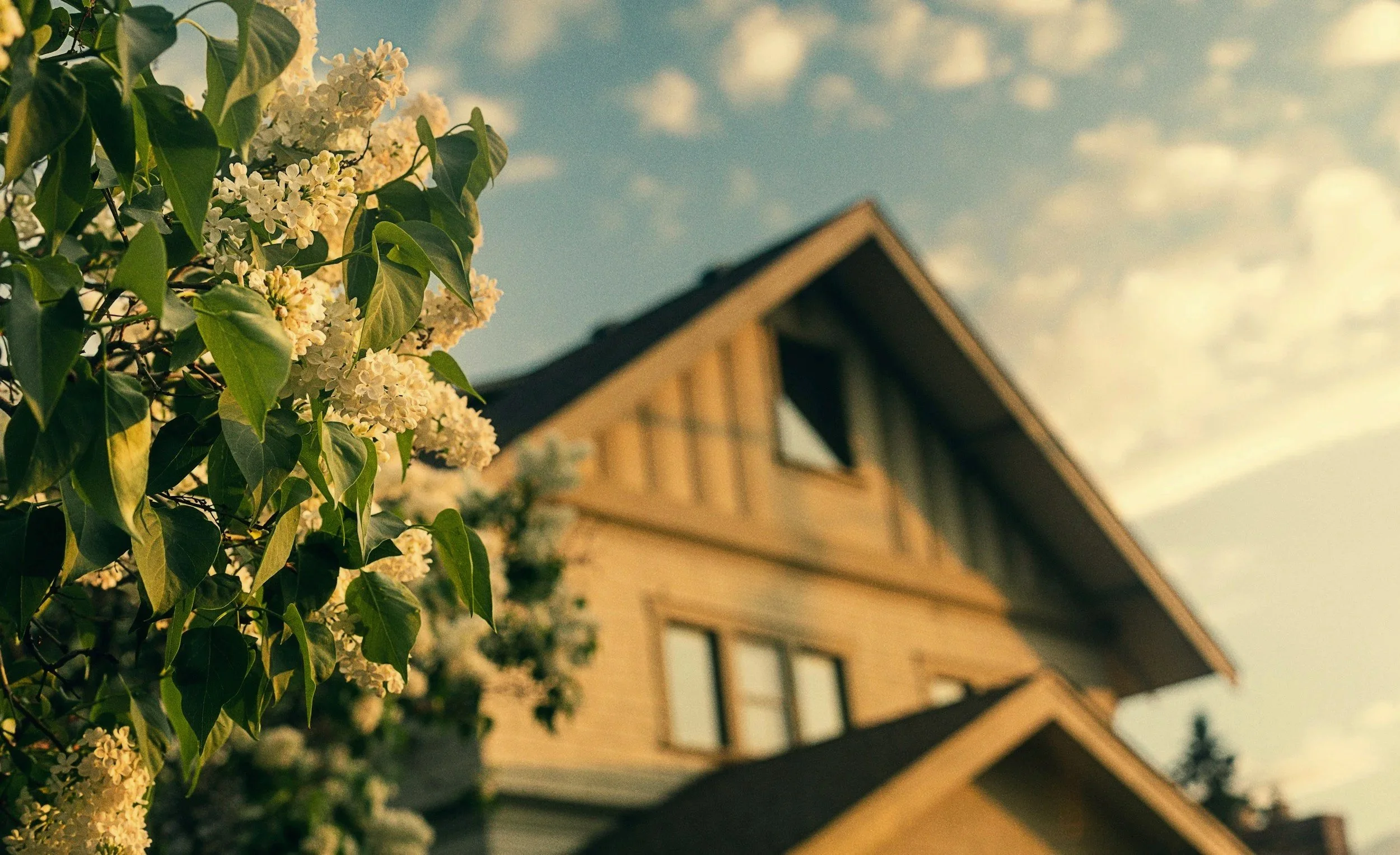
Suburban horror thrives on contrast: idyllic neighborhoods, manicured lawns, and family-friendly streets become the backdrop for chaos and fear. What makes this genre so compelling is its relatability. Viewers recognize the spaces, such as schools, cul-de-sacs, and quiet homes, and that familiarity makes the horror hit closer to home. Recent trends in film and television show creators are leaning into this, exploring everyday anxieties, domestic secrets, and the dark undercurrents of seemingly safe environments.
WANT MORE FILM AND ENTERTAINMENT BREAKDOWNS? READ MY LATEST ANALYSIS HERE
Themes and Storytelling Techniques
Key themes in suburban horror often include isolation, societal pressure, family dysfunction, and the hidden darkness behind perfection. Storytelling in this genre frequently uses slow-building tension, suspenseful sound design, and meticulous cinematography to transform the mundane into something terrifying. Writers and directors are increasingly using suburban horror to comment on cultural anxieties, from parenting pressures to social conformity, giving the genre both entertainment and subtextual depth.
Why It’s Resonating Now
Audiences today are drawn to suburban horror because it merges nostalgia with unease. The comfort of familiar surroundings is subverted, creating a psychological tension that traditional horror locations sometimes fail to deliver. The genre thrives on the idea of “horror in your front yard,” turning everyday spaces into sources of suspense and fear. It also allows creators to explore contemporary issues, such as gentrification, social media obsession, or generational conflict, through a lens of tension and dread, making each story both thrilling and thought-provoking.
JOIN THE COMMUNITY
Stay ahead in entertainment and media trends! Subscribe to our newsletter for weekly insights on TV series, streaming updates, social media influence, and modern storytelling. Get expert commentary, trending content breakdowns, and tips delivered straight to your inbox..
The Evolution of Suburban Horror Storytelling
Recent suburban horror successes like It, Welcome to Derry, and Fear Street have helped redefine how terror seeps into ordinary, familiar environments. Series such as Stranger Things further cemented the genre’s modern appeal by blending nostalgia, suburbia, and supernatural dread, proving that everyday settings can be just as unsettling as remote or extreme locations.
More recent films like The Housemaid and Weapons continue this shift, leaning into psychological tension and domestic unease rather than overt spectacle. These projects use suburbia not as a backdrop, but as a character in itself, a place where safety is assumed, routines feel predictable, and horror becomes more disturbing because it disrupts the familiar.
At the same time, indie filmmakers are increasingly experimenting in this space, using micro-budget productions and restrained storytelling to explore subtle, psychological fear rooted in neighborhood life, family dynamics, and quiet isolation. As suburban horror evolves, it’s becoming a playground for innovative storytelling, offering audiences something fresh while staying grounded in environments that feel uncomfortably close to home.
What This Means for Creators
For filmmakers and content creators, suburban horror presents unique opportunities. The settings are accessible, the themes resonate widely, and the genre allows for experimentation in tone, pacing, and cinematography. As audiences increasingly crave stories that are both relatable and unsettling, suburban horror offers fertile ground for creative exploration, marketing campaigns, and even festival submissions.
READY TO DIVE DEEPER INTO THE FUTURE OF STREAMING?
Suburban horror is more than just a passing trend; it’s a genre that reflects our cultural anxieties and plays with the tension between safety and fear. By transforming everyday spaces into sites of terror, creators are crafting stories that linger long after the credits roll.
Whether you’re a filmmaker, a TV writer, or a horror enthusiast, keeping an eye on suburban horror offers insight into the evolving landscape of genre storytelling in 2026 and beyond.
For more on trends shaping modern media, check out our posts on Film Festivals To Watch in 2026 and How Crowdfunded Films Are Powering Independent Creators. Stay up to date with #ArtImitatingLife for the latest updates, insights, and commentary on the stories and creators defining the future of entertainment.
DISCLAIMER FOR ART IMITATING LIFE
While we strive to provide accurate and helpful content on this site, Art Imitating Life makes no warranties or guarantees regarding the accuracy, completeness, or reliability of any information, advice, or opinions shared here. Use of the content on this website is at your own risk, and to the fullest extent permitted by law, Art Imitating Life is not liable for any losses, damages, or other consequences resulting from its use. By accessing and using this website, you acknowledge and accept this disclaimer and agree to its terms.
Our website may contain links to external websites for your convenience. These external sites are not controlled, sponsored, or endorsed by Art Imitating Life. We do not assume any responsibility for the content, availability, or practices of these third-party sites and disclaim liability for any loss or damage arising from your use of them.
