Hearing Protection on Film Sets: A Filmmaker's Guide
Affiliate disclosure: This article contains affiliate links. If you purchase through a qualifying link, Art Imitating Life may earn a commission at no additional cost to you.
Film production asks a great deal of the people who bring a story to life. Directors, cinematographers, sound teams, grips, electricians, production assistants, and other crew members spend long days managing equipment, coordinating movement, and working in environments that can change from relatively quiet to exceptionally loud in a matter of seconds. Yet while filmmakers routinely think about protecting cameras, microphones, lighting equipment, and other production essentials, protecting their hearing deserves the same attention.
Hearing safety is an important part of working sustainably in film and television. Generators, power tools, construction activity, special effects, amplified playback, and other production activities can create noise exposure that adds up throughout a workday. For crew members who work across multiple productions, repeated exposure is worth taking seriously.
Hearing protection does not have to be complicated, but it should be intentional. Understanding when to use earplugs, how to choose the right type, and how to remain aware of instructions on set can help filmmakers make better decisions about their working environment.
Affiliate disclosure: This article contains affiliate links. If you purchase through a qualifying link, Art Imitating Life may earn a commission at no additional cost to you.
Why Hearing Protection Matters in Filmmaking
Sound is central to filmmaking, but not every sound on set is part of the creative process. A generator running throughout the day, a construction tool operating nearby, or a loud special-effects sequence can expose crew members to noise that has little to do with the dialogue or soundtrack being recorded.
The risk is not limited to one particularly loud moment. Noise exposure depends on both intensity and duration, meaning that a crew member may need to consider the combined effect of different tasks throughout a long production day. Repeated exposure to excessive noise can cause permanent hearing damage, and the effects may not be immediately apparent.
This is especially relevant for departments whose responsibilities regularly place them near noisy equipment. Grips and electric crews may work around generators, power tools, and machinery. Art department and construction teams may encounter cutting, drilling, and other loud tasks. Sound professionals can face a different challenge: they need to monitor audio carefully while also protecting their own hearing when conditions become excessively loud.
No two productions have the same sound environment. The appropriate precautions for a dialogue scene in a quiet interior will differ from those required during construction, a vehicle sequence, or a special-effects setup. Hearing safety should therefore be considered alongside the other practical requirements of each location and department.
When Should You Consider Wearing Earplugs on Set?
Earplugs are not something every crew member needs to wear continuously in every filming environment. Their use should depend on the actual noise exposure, the task being performed, and the production's safety procedures.
There are several situations in which hearing protection deserves particular consideration.
During Loud Equipment Operation
Generators, power tools, machinery, and certain production equipment can produce potentially hazardous noise. Crew members should follow the production's noise-risk assessment and safety instructions, using suitable hearing protection when required.
For occupational noise exposure, the relevant protection needs to be selected for the measured or assessed noise levels. A comfortable pair of reusable music earplugs should not automatically be treated as sufficient protection for loud industrial equipment.
During Construction and Set Preparation
Building, modifying, and dismantling sets can involve prolonged exposure to drilling, sawing, hammering, and other noisy tasks. These activities may take place before filming begins, when crew members are focused on getting the location ready and may not be thinking about hearing protection.
Making appropriate protective equipment available during prep and strike is one way productions can build hearing safety into their workflow rather than treating it as an afterthought.
WANT MORE FILM AND ENTERTAINMENT BREAKDOWNS? READ MY LATEST ANALYSIS HERE
During Special Effects and Other High-Noise Sequences
Certain effects, controlled explosions, loud impacts, and other high-noise activities require specific safety planning. Crew members should follow instructions from the qualified personnel overseeing the sequence, including designated exclusion zones and required protective equipment.
Ordinary filtered earplugs may not provide adequate protection for these conditions. Hearing protection should be selected for the actual hazard, and no one should assume that earplugs alone make an otherwise unsafe position acceptable.
During Loud Playback or Music-Based Productions
Music videos, concert filming, playback-heavy scenes, and productions using amplified sound can create different hearing-safety considerations. In these situations, filtered earplugs designed for music may be worth considering, provided their protection level is appropriate for the environment.
The important distinction is between reducing sound to make a listening experience more comfortable and providing the protection required for a potentially hazardous workplace. Those goals overlap in some situations, but they are not interchangeable.
How to Use Hearing Protection Without Disrupting the Shoot
On a film set, hearing protection has to work alongside communication, timing, and safety. Wearing earplugs without considering the task can create its own problems if a crew member can no longer hear essential instructions, warnings, or changes in the plan.
A few practical habits can help.
Choose protection before the noisy task begins. Review the expected work with the relevant supervisor or safety lead. If hearing protection is required, confirm that the selected product is appropriate for the anticipated noise exposure and that it fits correctly.
Follow set communication procedures. Crew members should know how safety instructions will be delivered when hearing protection is worn. Depending on the environment, this may involve visual signals, agreed communication protocols, or other measures established by the production's safety team. Do not remove required protection simply to hear a conversation; instead, follow the established procedure for communicating safely.
Keep clean earplugs accessible. Store reusable earplugs in their case when they are not being used, and clean them according to the manufacturer's instructions. A product that is easy to carry and maintain is more likely to be available when it is needed.
Do not use comfort as the only measure of protection. Earplugs should fit securely and comfortably, but a comfortable fit does not prove that the product provides enough attenuation for a particular task. Follow the manufacturer's fitting instructions and the production's safety guidance.
Know when music earplugs are not enough. If a task involves hazardous noise from machinery, tools, or special effects, use hearing protection selected for that exposure. When workplace noise levels require a formal hearing-conservation program, let the employer's assessment and requirements guide your choice.
Alpine Hearing Protection: A Potential Addition to a Filmmaker's Kit
Filmmakers who work around music, rehearsals, amplified playback, or other sound-focused environments may want to explore reusable filtered earplugs. Alpine Hearing Protection offers products designed for different listening and working situations.
One option to consider is Alpine MusicSafe Pro, which includes three interchangeable filters with stated attenuation levels of 16, 19, and 22 dB. The product is designed for musicians, DJs, and sound professionals who want to reduce sound levels while retaining more of the character of music.
For filmmakers who regularly work on music videos, performance shoots, or music-related productions, that design may be worth exploring. Its interchangeable filters provide options for different listening situations, although the correct level of protection still depends on the environment, fit, and exposure.
Alpine also offers WorkSafe, a product designed for noisy work environments, with a stated single-number rating of 23 dB. It may be worth considering for appropriate tasks, but compare the product's specifications with the actual noise hazard and the production's safety requirements before use. A general product rating alone cannot establish that it will provide adequate protection in every environment.
These products serve different purposes, and neither should be presented as a universal solution for every film set. The best choice depends on the task, the measured or assessed noise exposure, the required protection level, and the manufacturer's instructions. Productions should provide or specify suitable hearing protection whenever their safety obligations require it.
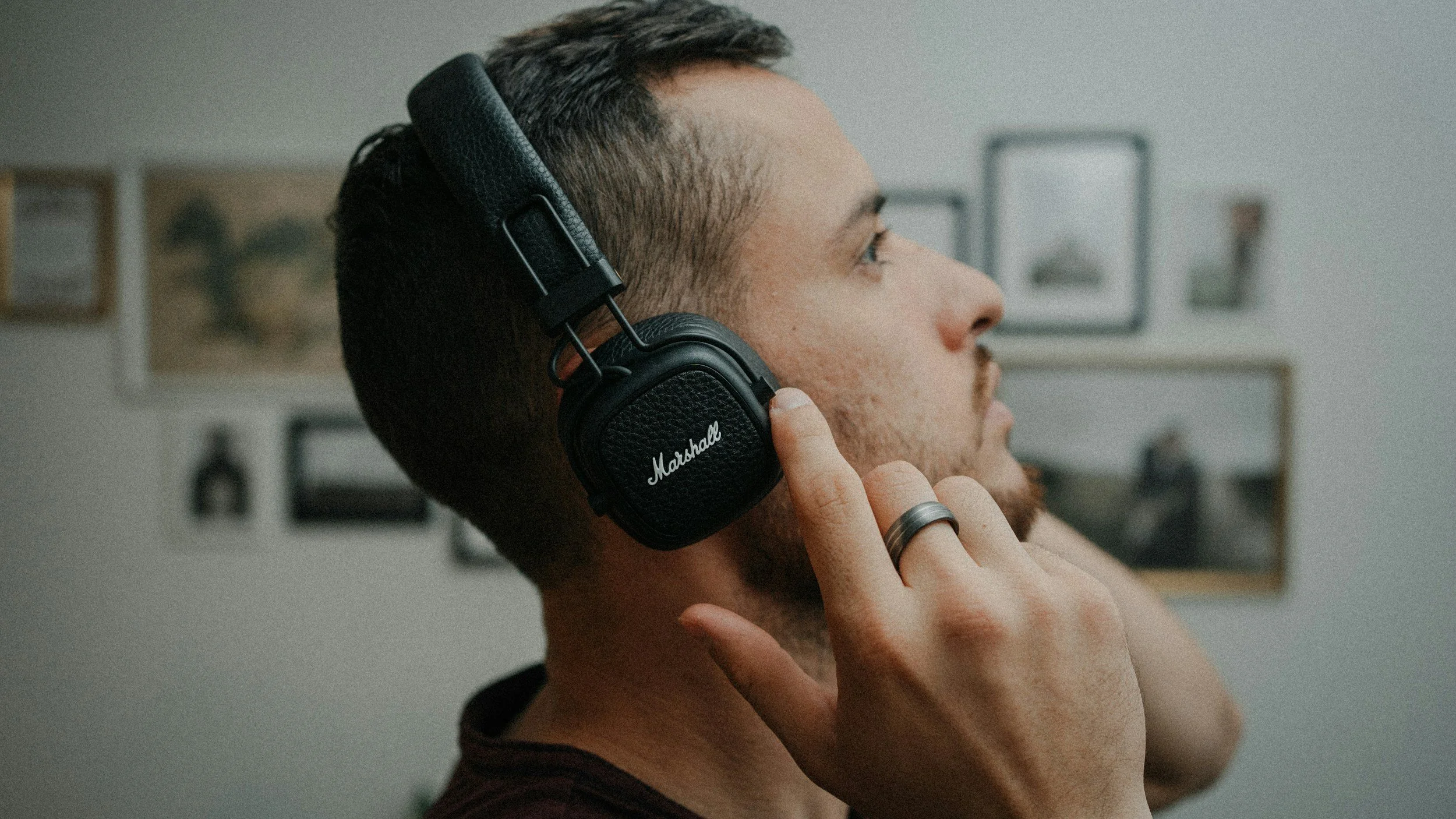
Protect Your Hearing. Protect Your Craft.
Your production kit should protect more than your equipment. Whether you're preparing for a demanding shoot, working around loud machinery, or spending long days on set, hearing safety deserves a place in your planning. Explore Alpine Hearing Protection to find options suited to your creative workflow and the environments you work in.
Hearing Safety Is Part of a Sustainable Filmmaking Career
A filmmaking career can involve years of long production days, location changes, equipment-heavy environments, and work around other people's creative decisions. Protecting the body that makes that work possible is part of sustaining a career, even when the issue is not as immediately visible as fatigue or physical strain.
For independent filmmakers, hearing safety can be as simple as asking the right questions during pre-production: Which activities may produce hazardous noise? Who is responsible for communicating the precautions? What protection is required? How will crew members receive instructions when protective equipment is being worn?
Those questions encourage a more considered production culture, one in which safety is built into planning rather than left to individual crew members to figure out during a busy shoot.
Hearing protection is not a substitute for controlling noise at its source, maintaining equipment, limiting unnecessary exposure, or following established safety procedures. It is one part of a broader approach to keeping production environments safer.
For filmmakers who work around music and sound, Alpine's filtered earplugs may be a useful product category to explore. For crew members working around tools and machinery, the priority is to select protection specifically suited to the hazard. Either way, hearing safety deserves a place in the conversation about professional filmmaking.
The takeaway: A well-prepared production protects more than its equipment and footage. It also takes the people behind the work seriously.
DISCLAIMER FOR ART IMITATING LIFE
While we strive to provide accurate and helpful content on this site, Art Imitating Life makes no warranties or guarantees regarding the accuracy, completeness, or reliability of any information, advice, or opinions shared here. Use of the content on this website is at your own risk, and to the fullest extent permitted by law, Art Imitating Life is not liable for any losses, damages, or other consequences resulting from its use. By accessing and using this website, you acknowledge and accept this disclaimer and agree to its terms.
Our website may contain links to external websites for your convenience. These external sites are not controlled, sponsored, or endorsed by Art Imitating Life. We do not assume any responsibility for the content, availability, or practices of these third-party sites and disclaim liability for any loss or damage arising from your use of them.
