Is Filmmaking Easier Than Ever? How AI, Social Media & Technology Are Changing Modern Cinema
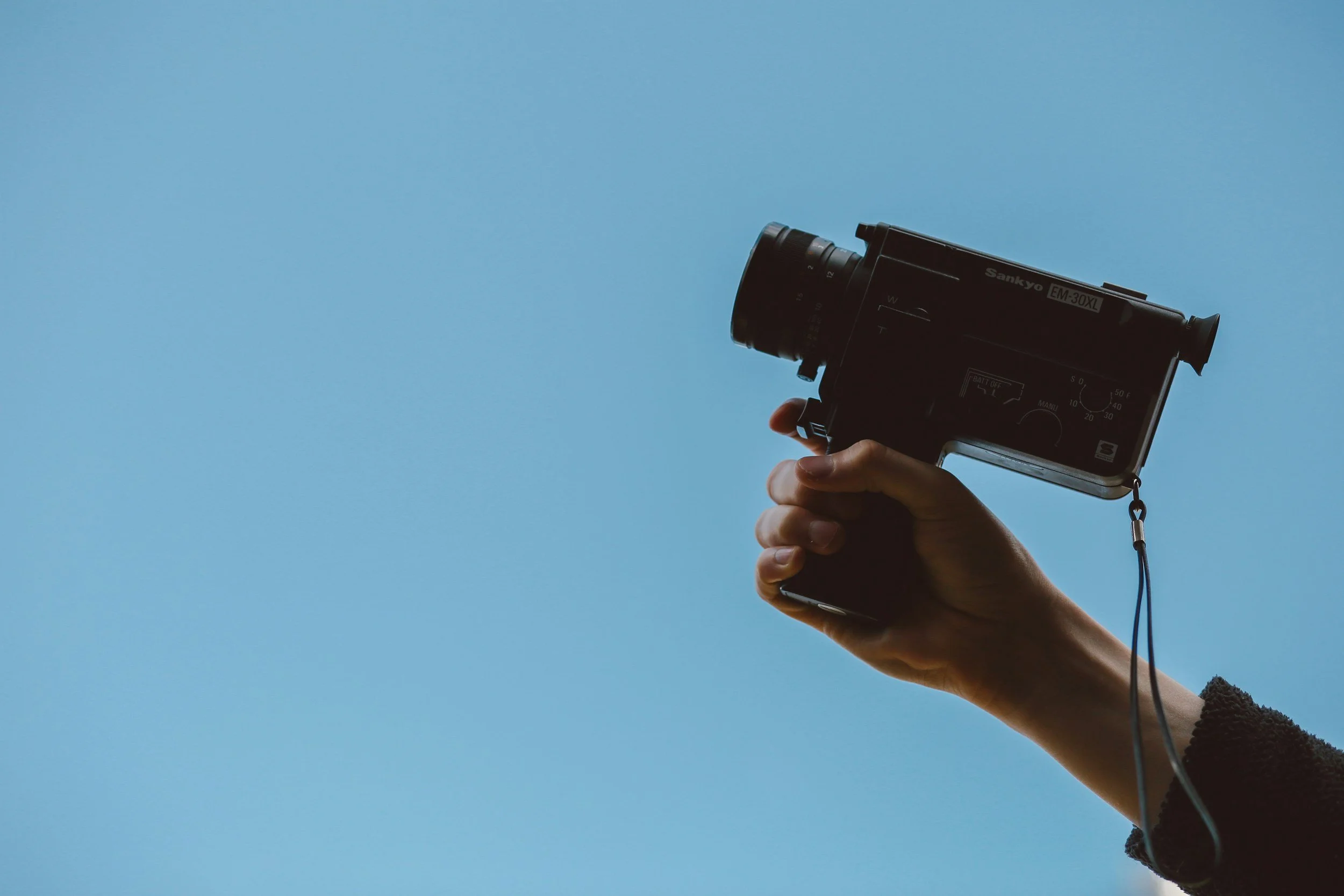
Ever scroll through YouTube, TikTok, or Instagram and think, “Anyone can make a movie these days”? Between smartphones with cinematic cameras, AI-assisted editing tools, and instant global distribution, filmmaking has never seemed more accessible. But is it really easier than ever, or is the game just changing? Let’s dive into the realities of modern filmmaking—and the role social media plays in shaping it.
The Democratization of Filmmaking
In the past, breaking into film meant securing a studio deal, expensive equipment, and years of networking. Today, technology has leveled the playing field. Smartphones capable of shooting high-resolution video, affordable lighting kits, and free or low-cost editing software allow aspiring filmmakers to create professional-looking content from their bedrooms.
Social media platforms—YouTube, TikTok, Instagram, and Vimeo—have transformed distribution. Instead of pitching to studios, filmmakers can share work instantly with global audiences, gather feedback, and build communities around their content. Social media doesn’t just showcase films; it actively shapes creative trends and audience expectations.
Tools and Technology That Make Filmmaking Faster and More Creative
Modern filmmakers benefit from tools that were once science fiction. AI-powered software assists with scriptwriting, editing, color grading, and visual effects. Drones, gimbals, and mobile rigs give creators cinematic options on tight budgets. Virtual production and green-screen technologies, once reserved for big-budget studios, are now accessible to indie creators.
Social media amplifies these tools. TikTok trends can dictate pacing, style, and format. YouTube analytics inform storytelling decisions based on engagement and retention. Instagram reels encourage short-form narrative experimentation. Filmmakers now create with both technology and audience feedback in mind, making social media an active partner in the creative process.
Indie Filmmaking, Crowdfunding, and Social Media Influence
Platforms like Kickstarter, Indiegogo, and Patreon allow independent filmmakers to fund projects without studios. Social media enables direct engagement with fans, providing instant feedback and early viewership. Creators can test ideas in real-time and adjust narratives based on audience reactions.
However, social media also increases pressure. Oversaturation, viral trends, and algorithmic preference for engagement mean filmmakers must think about storytelling and visibility simultaneously. Success now depends not only on craft but also on understanding how content performs in an online ecosystem.
Challenges Still Facing Modern Filmmakers
Even with technological advantages and social media amplification, filmmaking is not “easy.” The market is crowded, and standing out is harder than ever. Marketing, discoverability, and audience retention are constant challenges. Platforms like TikTok or YouTube reward certain formats, which can influence creative choices and limit experimentation.
Economic challenges, labor demands, and industry regulations still exist, particularly for feature-length or traditionally distributed films. Technology and social media make creation more accessible, but achieving recognition remains competitive.
AI, Emerging Tech, and Social Media: Collaboration, Not Replacement
Artificial intelligence is transforming workflows. From automated script suggestions to intelligent editing and VFX enhancements, AI accelerates tasks without replacing human creativity. Combined with social media insights—like trending hashtags, viral video structures, and engagement data—filmmakers can optimize their content for both artistry and reach.
Virtual influencers, AR/VR storytelling, and interactive social media campaigns are blurring the lines between production and distribution. Filmmakers who embrace AI and social media collaboration gain efficiency, reach, and creative flexibility, while remaining accountable to ethical storytelling and audience trust.
Comparing Past vs. Present
Traditional filmmaking demanded high budgets, exclusive equipment, and studio approval. Today, accessibility is unprecedented—but social media adds a new layer of complexity. Visibility, audience engagement, and trend responsiveness are now as critical as technical skill. Filmmaking may be “easier” in terms of tools, but the pressures of online content ecosystems have created a new set of challenges.
Easier or Just Different?
Filmmaking today is a paradox. Technology, AI, and social media have democratized access, giving more people the ability to create. Yet, visibility, competition, and online audience expectations have never been higher. The tools are easier to use, but succeeding creatively and financially demands adaptability, digital literacy, and community engagement.
So, has filmmaking become easier, or just different? The answer depends on your approach, goals, and ability to navigate the ever-evolving digital landscape.
Stay Ahead in Modern Filmmaking
Curious about how technology, AI, and social media are reshaping storytelling? Subscribe to our newsletter for weekly insights, tips, and expert advice for modern filmmakers.
📌 Don’t miss our related post: “How AI Is Revolutionizing Filmmaking: Real Tools Changing Hollywood and Indie Cinema” for a deep dive into the tools transforming production today.
Follow us for curated tutorials, tips, and commentary: Pinterest, Instagram, TikTok, and YouTube.
DISCLAIMER FOR ART IMITATING LIFE
While we strive to provide accurate and helpful content on this site, Art Imitating Life makes no warranties or guarantees regarding the accuracy, completeness, or reliability of any information, advice, or opinions shared here. Use of the content on this website is at your own risk, and to the fullest extent permitted by law, Art Imitating Life is not liable for any losses, damages, or other consequences resulting from its use. By accessing and using this website, you acknowledge and accept this disclaimer and agree to its terms.
Our website may contain links to external websites for your convenience. These external sites are not controlled, sponsored, or endorsed by Art Imitating Life. We do not assume any responsibility for the content, availability, or practices of these third-party sites and disclaim liability for any loss or damage arising from your use of them.
