The Fall of Traditional Movie Stars in the Age of Social Media
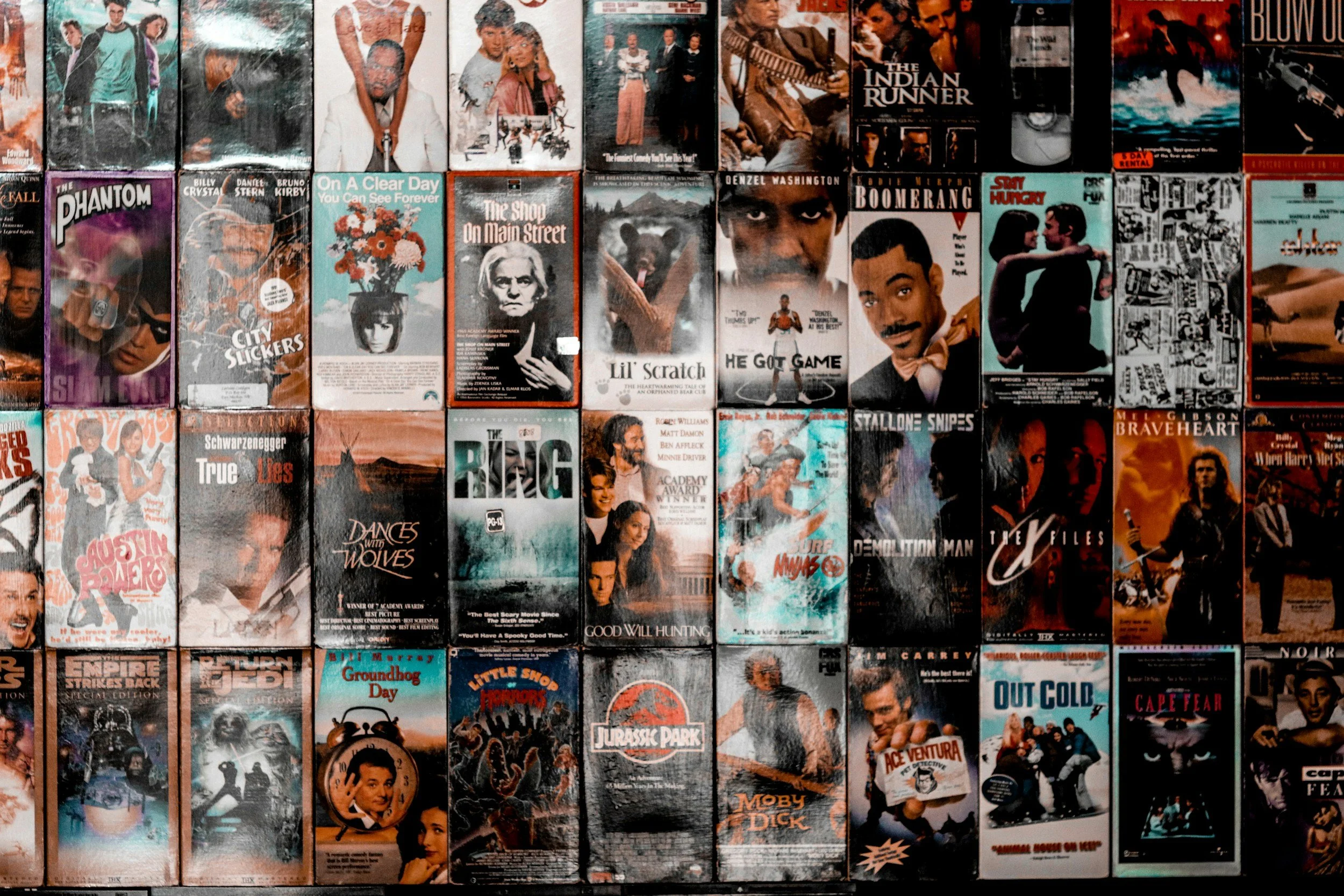
For decades, Hollywood has been defined by its stars. Names like Meryl Streep, Tom Cruise, Leonardo DiCaprio, and Jennifer Lawrence carried films, dominated media coverage, and shaped cultural conversations. The traditional movie star was larger than life—a brand, a personality, a phenomenon that audiences followed religiously. But in 2025, something unprecedented is happening: the influence of the conventional movie star is waning, and a new form of celebrity is taking its place. TikTok personalities, YouTube creators, and social media influencers are now competing for cultural relevance, reshaping the very definition of fame.
Disclaimer: This post is an analysis and commentary by Art Imitating Life and is intended for informational purposes only.
The Rise of Digital Celebrities
The shift is visible across Hollywood. Studio executives are increasingly casting influencers in films and streaming content. While traditional actors still headline blockbusters, social media stars are commanding attention in ways that classic celebrities can no longer achieve on their own. Take Addison Rae, for example. She parlayed a TikTok following of tens of millions into film roles, music releases, and brand partnerships, proving that digital engagement often outweighs traditional training or accolades.
Unlike movie stars of the past, these new celebrities are accessible and interactive. Audiences engage with them daily through videos, lives, and comment sections. This constant feedback loop creates a sense of intimacy, where fans feel like they know the creator personally. In contrast, traditional movie stars often rely on curated PR, press tours, and rare public appearances, creating a distant, almost untouchable aura. This distance, once a mark of mystique, is now a limitation.
Streaming, Algorithms, and Attention
Part of the decline in traditional stardom stems from the streaming revolution. Gone are the days when studios could rely on a single actor’s name to draw audiences into theaters. Netflix, Prime Video, Disney+, and HBO Max release films directly to platforms, where audience attention is fragmented across hundreds of titles each month. With so many options, viewers increasingly choose content based on genre, mood, or trendiness rather than the lead actor.
Algorithms, not stars, now dictate what gets seen. TikTok, Instagram Reels, and YouTube Shorts amplify content that resonates quickly, regardless of pedigree. A short viral clip can make a relatively unknown creator more influential than a seasoned actor starring in a big-budget film. Studios are noticing this shift, tailoring casting decisions to social media metrics and engagement potential. The traditional “star power” that once guaranteed box office success is no longer a surefire draw.
WANT MORE FILM AND ENTERTAINMENT BREAKDOWNS? READ MY LATEST ANALYSIS HERE
Changing Audience Expectations
Audiences themselves are evolving. Modern viewers crave relatability and authenticity. They are more interested in following creators who reflect their own experiences or offer a sense of immediacy. Social media stars are often younger, diverse, and unpolished—traits that resonate with a generation fatigued by the carefully curated glamour of classic Hollywood. For many, the connection to a TikTok star feels more genuine than the distant admiration for a celebrity in a blockbuster film.
The shift also signals a broader cultural change: fandom is no longer about adoration from afar. It’s participatory. Fans comment, share, remix, and react. They become part of the narrative. In this ecosystem, traditional movie stars, no matter how talented, must compete for attention that is increasingly decentralized.
Hollywood’s Response
Studios have begun experimenting. Casting calls now include social media reach as a key criterion. Hybrid projects are emerging, blending traditional actors with digital stars to leverage their combined audiences. Films like He’s All That and other streaming-first productions exemplify this strategy, where the draw isn’t just the performance but the influencer’s ability to market themselves directly to millions.
Meanwhile, traditional stars are adapting. Many now maintain active social media presences, creating content to engage directly with fans. Yet the dynamic has fundamentally shifted: they no longer solely define the cultural conversation; they must compete within it.
JOIN THE COMMUNITY
Stay ahead in entertainment and media trends! Subscribe to our newsletter for weekly insights on TV series, streaming updates, social media influence, and modern storytelling. Get expert commentary, trending content breakdowns, and tips delivered straight to your inbox.
Risks and Rewards
This evolution brings both opportunity and risk. Digital celebrities bring built-in audiences and measurable engagement, making marketing more predictable. But the volatility of online fame is high. Viral stars can fade as quickly as they appear, and algorithms are fickle. Traditional actors bring experience, depth, and stability to projects, qualities that social media metrics cannot quantify.
For audiences, the change is equally double-edged. Fans gain unprecedented access to their favorite creators but may lose the mythic allure of classic Hollywood glamour. They watch stars rise and fall in real time, with very little separation between performance and persona. The line between fiction and reality blurs, echoing the very dynamics we see in TikTok’s reality-driven content.
The Cultural Implications
The decline of the traditional movie star reflects a broader transformation in modern entertainment. Fame is no longer solely a product of studios, press coverage, or box office receipts. It is increasingly democratized, driven by engagement metrics, virality, and online communities. The cultural power of stars has been redistributed, from exclusive Hollywood stages to the screens of smartphones worldwide.
Moreover, this shift signals a reevaluation of storytelling itself. Filmmakers must now balance star power with audience attention patterns, streaming trends, and social media engagement. Narrative design, marketing, and casting are intertwined in ways that were previously unimaginable. The audience is no longer passive they shape the rise of new celebrities and, by extension, the content that gets made.
Hollywood’s stars are not disappearing they are evolving. The classic definition of a movie star, one built on mystique, curated public appearances, and box office clout, is being challenged by a new generation of digital celebrities who thrive on visibility, relatability, and algorithmic amplification. TikTok stars, YouTubers, and influencers represent a seismic shift in how audiences define fame.
The question isn’t whether Hollywood is losing its stars. It’s whether the industry can embrace a world where stars are everywhere, yet nowhere, entirely in the palms of the viewers’ hands. The age of the traditional movie star may be fading, but the age of the participatory, digitally native celebrity is only just beginning.
READY TO DIVE DEEPER INTO THE FUTURE OF STREAMING?
Curious about how social media stars are reshaping Hollywood and influencing the next big trends in film and pop culture? Subscribe to our newsletter for weekly insights, deep dives, and analysis on the evolving landscape of entertainment. Don’t miss out! Your next favorite post is just a click away. Explore these related posts: The Bidding Wars: Netflix vs. Paramount & Why Young Viewers Are Ditching Cable For Tik Tok? to see how digital culture is redefining what it means to be a star and to stay ahead of the latest trends in film and pop culture.
Let’s start a conversation: Do you think the traditional Hollywood movie star still matters in 2025?
DISCLAIMER FOR ART IMITATING LIFE
While we strive to provide accurate and helpful content on this site, Art Imitating Life makes no warranties or guarantees regarding the accuracy, completeness, or reliability of any information, advice, or opinions shared here. Use of the content on this website is at your own risk, and to the fullest extent permitted by law, Art Imitating Life is not liable for any losses, damages, or other consequences resulting from its use.
By accessing and using this website, you acknowledge and accept this disclaimer and agree to its terms. Our website may contain links to external websites for your convenience. These external sites are not controlled, sponsored, or endorsed by Art Imitating Life. We do not assume any responsibility for the content, availability, or practices of these third-party sites and disclaim liability for any loss or damage arising from your use of them.
