Why TV Series Don’t Last: Short Seasons & Streaming Impact
Remember when popular TV shows ran for 10 seasons or more, creating lifelong fan communities? Today, that’s increasingly rare. Shows are ending after just a few seasons, leaving viewers wondering why the era of long-running series seems to be disappearing. Let’s explore what’s driving this shift and how social media, streaming, and audience habits are reshaping television.
The Streaming Revolution
Streaming platforms have fundamentally changed how TV content is created, distributed, and consumed. Unlike traditional broadcast networks, streaming services prioritize bingeable, high-quality content over long-running shows. Shorter seasons allow for lower production costs, faster storytelling arcs, and experimentation with creative formats. Platforms like Netflix, Disney+, and Prime Video rely on algorithms to predict viewer engagement. If a show underperforms early, it’s often canceled quickly, regardless of its potential to grow into a long-running franchise.
Social Media & Audience Engagement
Social media also plays a huge role in a show’s lifespan. Audience reactions on TikTok, Instagram, and Twitter can make or break a series. Viral moments drive success, while negative buzz spreads fast. Shows that fail to capture attention quickly struggle to survive. Creators must balance storytelling with social media-friendly moments, and short runs allow for faster adaptation to trends and audience feedback. Unlike traditional TV, social media allows viewers to comment, share, and remix content, giving audiences a sense of participation and shaping narratives in real time.

Join the Community
Stay ahead in entertainment and media trends! Subscribe to our newsletter for weekly insights on TV series, streaming updates, social media influence, and modern storytelling. Get expert commentary, trending content breakdowns, and tips delivered straight to your inbox.
Changing Storytelling Trends
Modern viewers often prefer concise, high-impact narratives over sprawling, decade-long plots. Short seasons keep stories fresh and engaging, allow for tighter character development, and reduce filler content. Mini-series and limited-run shows have surged in popularity, giving creators the flexibility to tell complete, satisfying stories without dragging plots across multiple seasons. I understand the purpose behind limited series—they are intentionally designed to be finite. Regular series, however, often end early due to external factors like platform algorithms or audience trends.
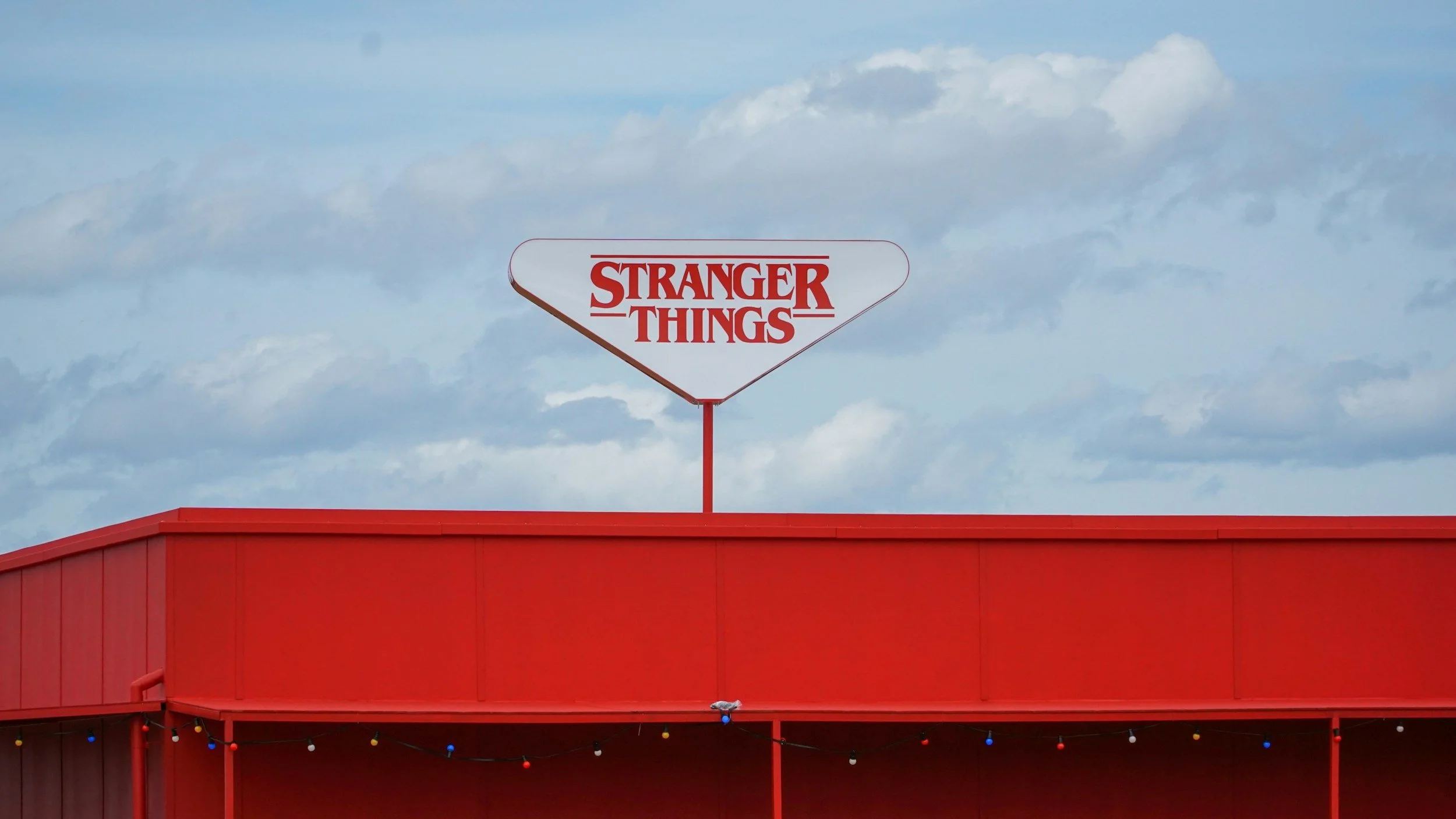
A perfect example is the upcoming final season of Stranger Things, which wraps the story up in just five seasons. While fans are excited, it underscores the trend of even blockbuster shows having shorter runs, influenced by streaming platforms, production costs, and audience engagement metrics.
Economic & Production Considerations
Budget and production logistics also influence show longevity. Big-budget series or shows with complex visual effects can be expensive to sustain for 10+ seasons. With streaming platforms favoring new content to attract subscribers, even popular shows may end early to make room for fresh projects. The focus has shifted from long-term storytelling to delivering immediate, high-quality content that can compete in a crowded digital ecosystem.
WANT MORE FILM AND ENTERTAINMENT BREAKDOWNS? READ MY LATEST ANALYSIS HERE
Nostalgia & Fan Expectations
Long-running series once thrived on fan loyalty, but today, audience expectations are shaped by binge culture and social media. Fans expect immediate payoff, high production value, and continuous novelty. Series that fail to meet these expectations face early cancellation, regardless of critical acclaim. The era of marathon shows is giving way to concise, socially driven content where engagement metrics often dictate a series’ future.
TV Series Are Shorter, But Impactful
While TV series today rarely reach 10 seasons, shorter runs allow creators to experiment, streamline storytelling, and respond to audience trends faster. The industry is evolving, and viewers now prioritize quality, accessibility, and social engagement over longevity. Short seasons are not necessarily worse—they’re a reflection of how modern media consumption has shifted in the age of streaming and social media.
STAY CONNECTED AND GET THE LATEST INSIGHTS
Are you a fan of short-run TV series or do you miss the long-running classics? Let’s start a conversation down below—I want to know your thoughts! For more in-depth analysis on TV trends, streaming insights, and the evolving landscape of modern series, check out our related posts Why Modern Films & TV Reflect Our Collective Anxiety and How YouTube Ate TV. Stay updated on TV trends, social media insights, and entertainment commentary—subscribe to our newsletter. Follow us on Pinterest, Instagram, TikTok, and YouTube for exclusive reviews, discussions, and trending series breakdowns.
DISCLAIMER FOR ART IMITATING LIFE
While we strive to provide accurate and helpful content on this site, Art Imitating Life makes no warranties or guarantees regarding the accuracy, completeness, or reliability of any information, advice, or opinions shared here. Use of the content on this website is at your own risk, and to the fullest extent permitted by law, Art Imitating Life is not liable for any losses, damages, or other consequences resulting from its use. By accessing and using this website, you acknowledge and accept this disclaimer and agree to its terms.
Our website may contain links to external websites for your convenience. These external sites are not controlled, sponsored, or endorsed by Art Imitating Life. We do not assume any responsibility for the content, availability, or practices of these third-party sites and disclaim liability for any loss or damage arising from your use of them.
