Paramount-Warner Bros. Discovery Merger: Latest Update
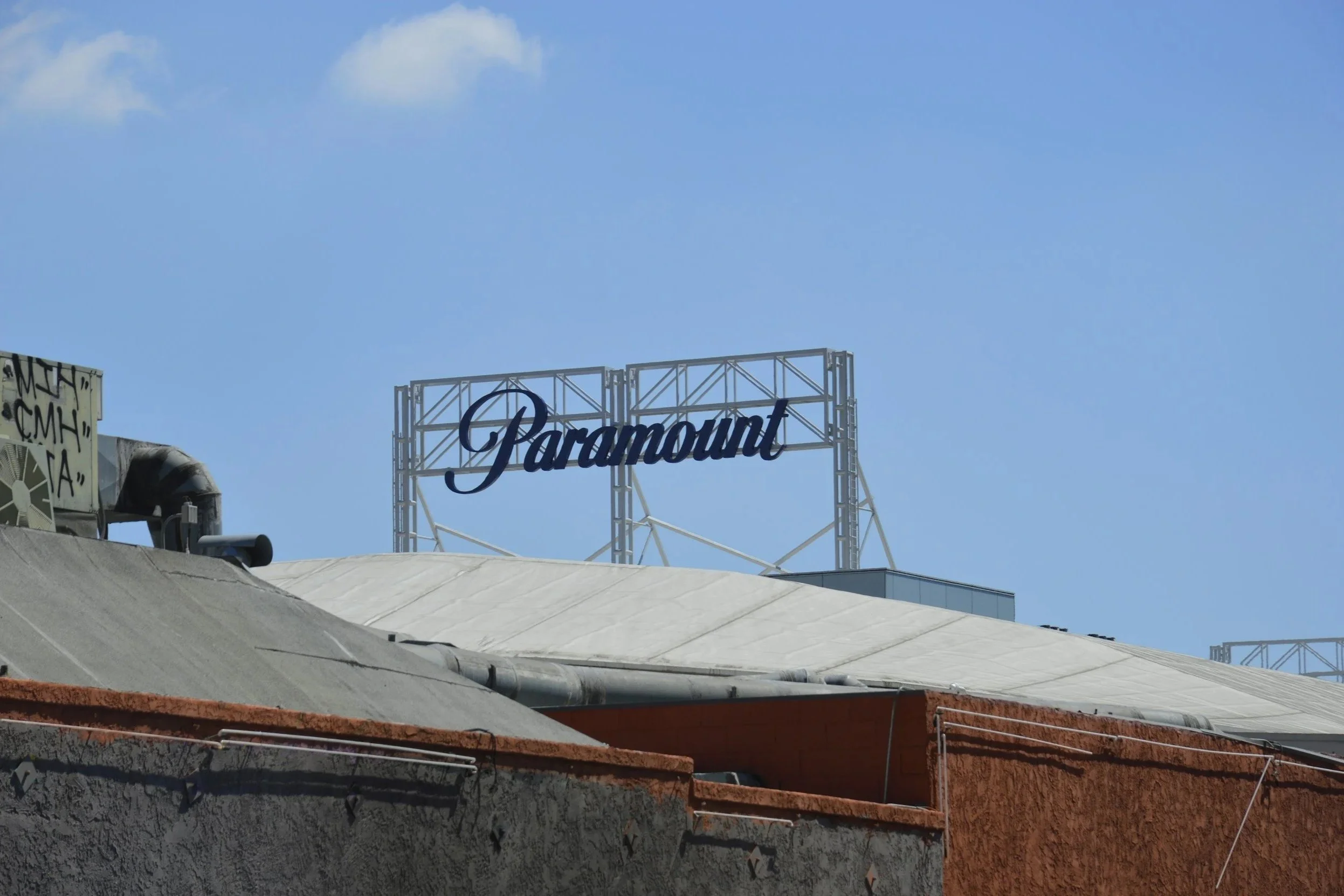
If you are a filmmaker, writer, actor, producer, crew member, aspiring creative, or simply someone who watches movies and television, the business decisions happening at the top of Hollywood can eventually affect you. Corporate ownership influences which projects receive financing, which companies compete for talent, where films and television shows are distributed, how intellectual property is managed, and which entertainment platforms audiences are asked to pay for.
That is why the proposed Paramount Skydance acquisition of Warner Bros. Discovery is worth understanding even if you have no direct connection to either company.
The deal has now entered a particularly important stage. Paramount has settled with the 12 states that challenged the acquisition and has also settled the separate lawsuit brought by the Writers Guild of America, removing two major legal obstacles to the transaction. However, the merger is not officially complete, with the federal court still reviewing the settlement reached with the states.
At the same time, Paramount is moving forward with the financial preparations for the acquisition. The company has announced plans to offer approximately $44.4 billion in senior secured notes as part of the permanent financing for the transaction and has continued taking steps involving Warner Bros. Discovery's outstanding debt.
The remaining legal process matters, but so does what comes after it. If the acquisition closes, two major entertainment companies will become one, creating a combined corporate structure spanning film, television, streaming, news, intellectual property, and a large creative workforce.
That is where this story becomes relevant to both the people making entertainment and the people watching it.
How the Paramount-Warner Bros. Discovery Merger Started
The proposed acquisition is the latest chapter in years of restructuring across the entertainment industry.
Warner Bros. Discovery was created through the 2022 combination of WarnerMedia and Discovery, bringing Warner Bros., HBO, CNN, Discovery and numerous television networks under one corporate structure.
Paramount underwent its own major corporate transition when Skydance merged with Paramount Global in 2025, creating Paramount Skydance and bringing Paramount Pictures, CBS, Paramount+, Nickelodeon and other entertainment assets under the new company.
Warner Bros. Discovery subsequently became the subject of competing acquisition interest. Netflix pursued parts of the company's studio and streaming assets, while Paramount ultimately pursued the acquisition of WBD as a whole.
In February 2026, Paramount and WBD announced a definitive agreement under which Paramount would acquire Warner Bros. Discovery for $31 per share in cash. The companies valued the transaction at approximately $81 billion in equity value and $110 billion in enterprise value.
The potential combination would bring two major Hollywood studios, major streaming businesses, television networks, news organizations, enormous entertainment libraries and some of the industry's most recognizable intellectual property under common ownership.
That scale is what made the transaction significant from the beginning and why its potential effects extend beyond the companies themselves.
Where the Merger Stands Now
The legal path to the acquisition has involved two major challenges.
The Writers Guild of America separately challenged the transaction, raising concerns about competition for writers, compensation, employment opportunities, and the amount and variety of programming produced. The guild has since settled its lawsuit, although it continues to raise broader concerns about consolidation and its effects on writers and the entertainment industry.
A coalition of 12 state attorneys general also challenged the acquisition through an antitrust case focused on competition in areas including theatrical films and basic cable programming.
Paramount settled with California and the other 11 states in September. The agreement removed a significant obstacle to the transaction, but it did not automatically make the acquisition final.
The federal court is still reviewing the proposed settlement. At a September 24 hearing, U.S. District Judge Araceli Martínez-Olguín questioned aspects of the agreement and indicated that a ruling would come in due course. The court also requested additional responses before making its decision.
That distinction is important: the major lawsuits have moved toward resolution, but the merger itself has not officially closed.
Meanwhile, Paramount has continued preparing financially for the acquisition. The company announced plans to offer approximately $44.4 billion in senior secured notes as part of its permanent financing and has continued modifying its offers involving WBD debt, with the latest expiration date extended to October 6 unless further extended.
The financing activity does not mean the transaction is complete. It does show that Paramount is continuing to prepare for a potential closing while the remaining legal process plays out.
WANT MORE FILM AND ENTERTAINMENT BREAKDOWNS? READ MY LATEST ANALYSIS HERE
What Does the Merger Mean for Filmmakers?
For filmmakers, corporate consolidation is not an abstract business issue. Studios and entertainment companies are part of the infrastructure through which creative work gets financed, developed, produced, and distributed.
When two major companies become one, the number of major buyers and employers within that corporate ecosystem changes. That is one reason the WGA's concerns about competition for writers became part of the legal conversation surrounding the acquisition.
There is also a different possibility to consider. Paramount has argued that greater scale could give the combined company more resources to invest in content and compete in an increasingly global entertainment market.
The actual effect will depend on how those resources are ultimately allocated.
For filmmakers and other creative professionals, the most useful indicators will therefore be practical ones: development activity, production budgets, hiring, independent-film investment, theatrical releases and the types of original projects receiving financing.
Those decisions will provide a clearer picture of the creative opportunities available within the combined company than the size of the acquisition itself.
The Theatrical Commitment Gives Filmmakers Something Concrete to Watch
The settlement with the states includes specific commitments involving theatrical film production and releases, giving the industry measurable benchmarks that can be followed if the acquisition closes.
Under the agreement, the combined company must release at least 30 theatrical films annually during the first two years, increasing to 32 annually during the following three years. The agreement also includes requirements involving independent films and blockbuster releases.
Paramount has additionally agreed to increase domestic film-production spending by at least $300 million annually compared with its 2025 level, representing at least $1.5 billion in additional U.S. film-production investment over five years.
Those commitments do not answer every question about the company's future film strategy, but they create concrete areas for filmmakers and industry observers to monitor.
The number of films released will matter, but so will the composition of that slate. A schedule dominated by established franchises would tell a different story about the company's creative priorities than one that also creates meaningful space for original and independent projects.
That makes the post-merger slate particularly important.
What Happens to Jobs and Original Movies?
The workforce question is closely connected to the creative question, but they are not necessarily the same thing.
Paramount has projected approximately $6 billion in potential synergies from the transaction. Combining two large organizations with overlapping operations can create efficiencies, but it can also lead to restructuring and changes in staffing.
A larger company could therefore have greater resources for producing films and television while simultaneously eliminating some overlapping corporate positions. More content spending does not automatically translate into more jobs across every department.
The same complexity applies to original movies.
Paramount and Warner Bros. Discovery control some of the most recognizable franchises in entertainment. Paramount has properties such as Mission: Impossible, Top Gun, Star Trek, and SpongeBob SquarePants, while Warner Bros. Discovery controls properties including Harry Potter, DC, and Game of Thrones.
Those franchises have established audiences and significant commercial value. However, the long-term creative health of a studio is also shaped by whether new ideas can make it through development.
For filmmakers, that makes the combined company's development slate worth watching. Which original projects receive financing? Which independent filmmakers receive opportunities? How much of the company's resources are directed toward established intellectual property versus new concepts?
Those decisions will reveal the company's creative priorities more clearly than its corporate structure alone.
What Does the Merger Mean for Audiences?
Consumers experience Hollywood differently from the people who work inside it, but corporate ownership can eventually become visible through the entertainment choices available to them.
Paramount+ and HBO Max currently operate as separate streaming services. If the acquisition closes, they would exist under the same corporate ownership, although that does not automatically mean they would become one service.
The companies could maintain separate platforms, bundle them together, change their content strategies, or eventually pursue deeper integration. Those choices could affect subscription costs, content availability, exclusivity, and the number of services consumers feel they need.
Theatrical distribution is another area to watch.
The combined company would control two major studios with extensive libraries and established franchises. Its decisions about theatrical release schedules, streaming windows, and where films ultimately become available could influence how audiences experience movies after they leave theaters.
For consumers, the practical questions are straightforward: What will be available, where will it be available, and how much will it cost?
The answers will only become clear as the combined company's strategy takes shape.
Could Audiences Have More or Less Choice?
The merger raises a broader question about the relationship between consolidation and consumer choice.
A combined company would control an enormous collection of movies, television programs, franchises, and streaming content. That could potentially make a wider range of programming available within a larger ecosystem.
At the same time, placing more major entertainment properties under one corporate owner changes the competitive landscape.
That does not automatically determine whether consumers will ultimately have more or less choice. The outcome will depend on decisions about pricing, licensing, exclusivity, platform structure, and content distribution.
For audiences, those are the changes worth watching after the transaction rather than assuming the answer in advance.
And Then There Is CBS and CNN
The merger also extends beyond traditional entertainment.
Paramount owns CBS, while Warner Bros. Discovery owns CNN. The settlement with the states includes provisions concerning editorial independence at both organizations, including independent editorial boards and oversight mechanisms.
That makes the acquisition broader than a traditional studio merger. A single corporate structure would potentially encompass major film studios, streaming services, television networks, entertainment libraries, and news organizations.
The effectiveness of those editorial safeguards will be something to watch separately, particularly because outside media observers have questioned how much authority the boards would ultimately have.
For AIL, however, the larger significance is that the transaction demonstrates how interconnected the modern media business has become. Film, television, streaming, news and intellectual property increasingly exist within the same corporate ecosystem, meaning decisions in one part of the business can eventually affect another.
What AIL Will Be Watching
If the acquisition closes, the most meaningful developments will not necessarily come from another corporate announcement. They will come from the decisions made afterward.
For the creative side of the industry, that means watching production budgets, development activity, hiring, independent-film investment, theatrical releases, and the balance between franchise projects and original work.
For audiences, it means following streaming prices, platform strategies, content availability, theatrical windows, and the movement of movies and shows between services.
These indicators can provide a more useful picture of the merger's real-world effects than the acquisition price or the size of the combined company.
They can also show whether the commitments made during the legal process translate into actual changes in the entertainment landscape.
Why This Matters to AIL
We talk about films, television, filmmakers, audiences, and culture, but none of those things exist independently from the business structures surrounding them. A screenplay needs financing, a film needs production resources, a completed project needs distribution, a television series needs a buyer, and an audience needs somewhere to watch it.
Those steps connect the creative side of Hollywood to the corporate side.
Understanding who owns the companies making and distributing entertainment is therefore part of understanding the industry itself. Audiences have a reason to understand it too because the movies and shows available to watch, the streaming services people subscribe to, the projects that receive major theatrical releases, and the stories that receive investment are all influenced by decisions made before anything reaches the screen.
You do not have to work in Hollywood to be affected by Hollywood's business decisions. A filmmaker experiences the industry through jobs, financing, development, production, and distribution, while an audience experiences it through movies, television, subscriptions, prices, availability, and choice. Those experiences may look different, but they are connected by the same business infrastructure.

What Are You Watching?
What part of the Paramount-Warner Bros. Discovery merger are you watching most: film, jobs, streaming, or audiences?
Join the conversation in the comments. Stay in the AIL conversation. Subscribe to the AIL newsletter for film and television analysis, creative-industry commentary, culture, recommendations, and thoughtful stories about the business shaping what we watch.
The Merger Drama Isn't Over Yet
The Paramount-Warner Bros. Discovery merger has gone through competing acquisition interest, regulatory review, lawsuits, negotiations, and settlements. It has now entered another phase in which the remaining legal process and Paramount's preparations for a potential closing are happening alongside a much larger conversation about what the combined company could mean for Hollywood.
The 12 states have settled their challenge, and the WGA has settled its lawsuit. Paramount is also preparing billions of dollars in financing, including the $44.4 billion notes offering announced as part of its permanent financing plans.
But the merger is not officially complete. The federal court is still reviewing the state settlement, meaning the final legal process remains important even as Paramount prepares for a potential closing.
The eventual closing date will therefore not be the end of the story. It will mark the beginning of the next stage, when the industry's attention can shift from what the companies say the merger will accomplish to what the combined company actually does.
For filmmakers, that means following production, employment, development, independent film, and original storytelling. For audiences, it means following streaming, theatrical releases, pricing, availability, and the range of entertainment they can access.
The Paramount-WBD merger is worth following for more than its enormous price tag. It gives us a front-row look at how Hollywood's business structure is changing and why those changes matter to both the people creating entertainment and the people watching it.
Because understanding Hollywood isn't only about understanding the movies. It's also about understanding who gets to make them, who gets to distribute them, and how audiences ultimately get to see them.
DISCLAIMER FOR ART IMITATING LIFE
While we strive to provide accurate and helpful content on this site, Art Imitating Life makes no warranties or guarantees regarding the accuracy, completeness, or reliability of any information, advice, or opinions shared here. Use of the content on this website is at your own risk, and to the fullest extent permitted by law, Art Imitating Life is not liable for any losses, damages, or other consequences resulting from its use. By accessing and using this website, you acknowledge and accept this disclaimer and agree to its terms.
Our website may contain links to external websites for your convenience. These external sites are not controlled, sponsored, or endorsed by Art Imitating Life. We do not assume any responsibility for the content, availability, or practices of these third-party sites and disclaim liability for any loss or damage arising from your use of them.
