Streaming Fatigue Explained: Are We Watching Too Much TV in the Digital Age?
Streaming platforms have made entertainment more accessible than at any point in history. With thousands of films, television series, and original productions available instantly, audiences are no longer limited by scheduling, geography, or traditional broadcast systems.
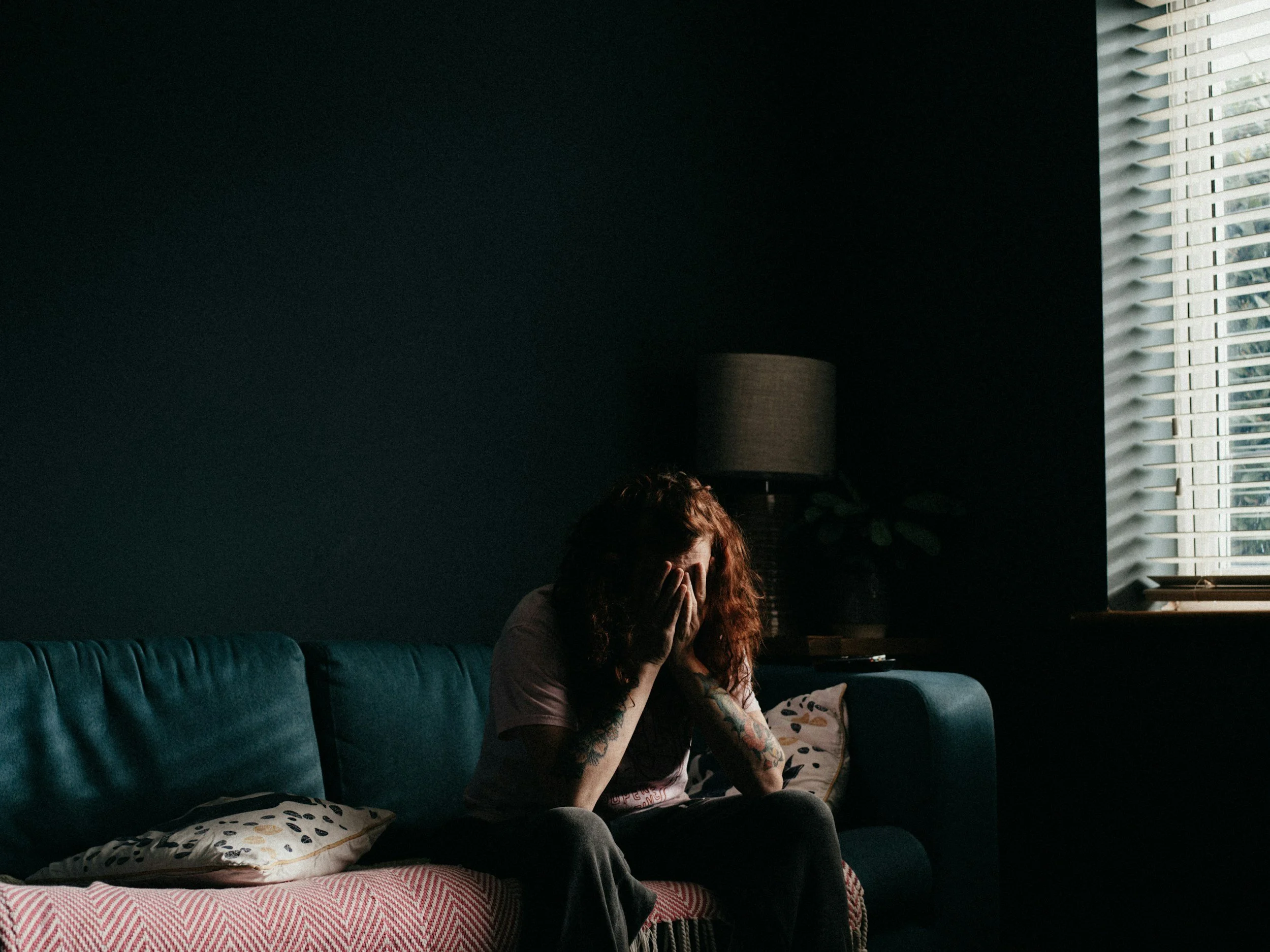
But as access has increased, so has a new kind of cultural phenomenon: streaming fatigue.
This raises an important question for modern audiences and the entertainment industry alike. Are we actually enjoying more content, or are we simply consuming too much of it?
The Rise of Infinite Content and Constant Availability
The streaming era introduced a fundamental shift in how entertainment is consumed. Platforms like Netflix, Hulu, Amazon Prime Video, Disney+, and Apple TV+ operate on a model of continuous content delivery rather than scheduled programming.
Unlike traditional television, where shows aired weekly and created anticipation, streaming platforms encourage immediate consumption. Entire seasons are released at once, allowing viewers to binge-watch content in a single sitting.
While this model offers convenience, it also removes natural pauses in storytelling. Without waiting periods, audiences are constantly moving from one series to the next, often without time to process what they’ve watched.
Over time, this creates a cycle of constant viewing that can feel less like enjoyment and more like consumption.
Attention Overload in the Streaming Era
One of the core drivers of streaming fatigue is attention overload.
Modern viewers are not only consuming television shows and films but also navigating short-form content, social media feeds, gaming, podcasts, and digital news. Streaming platforms exist within a much larger attention economy, where every platform is competing for mental space.
This environment creates a sense of cognitive saturation. Even when content is high quality, audiences may feel overwhelmed by the volume of available options.
Instead of asking what to watch, viewers often experience decision fatigue before they even begin watching anything.
WANT MORE FILM AND ENTERTAINMENT BREAKDOWNS? READ MY LATEST ANALYSIS HERE
When Choice Becomes Exhaustion
In theory, having more options should improve the viewing experience. However, in practice, too much choice can have the opposite effect.
Streaming platforms offer endless libraries of content across genres, languages, and formats. While this diversity is a strength, it also creates an environment where decision-making becomes difficult and emotionally draining.
Viewers may spend more time browsing than actually watching. This phenomenon, often referred to as choice paralysis, contributes significantly to streaming fatigue.
Instead of feeling entertained, audiences can feel stuck in a loop of searching, selecting, and abandoning content.
The Decline of Shared Viewing Culture
Another factor contributing to streaming fatigue is the loss of shared viewing experiences.
In earlier television eras, audiences often watched the same shows at the same time, creating cultural moments and shared references. Weekly episodes encouraged discussion, anticipation, and collective engagement.
Streaming has shifted this dynamic. With individualized viewing schedules, audiences are no longer synchronized in their consumption habits.
As a result, the cultural impact of any single show is more fragmented. Even popular series may not generate the same sustained communal conversation they once did.
This can make content feel more disposable, even when it is widely viewed.
Binge Culture and Emotional Burnout
Binge-watching has become one of the defining behaviors of streaming culture.
While bingeing allows for immersive storytelling, it can also lead to emotional burnout. Consuming multiple episodes or entire seasons in one sitting compresses emotional arcs that were often designed to unfold over time.
This rapid consumption can reduce emotional retention and make stories feel less impactful after viewing.
Instead of lingering with characters and narratives, viewers quickly move on to the next series, continuing the cycle of consumption without pause.

JOIN THE COMMUNITY
Stay ahead in entertainment and media trends. Subscribe for weekly insights on TV, streaming, social media, and storytelling—plus commentary and trending breakdowns delivered straight to your inbox.
Algorithmic Recommendation Pressure
Streaming fatigue is also influenced by algorithmic systems that constantly recommend new content.
Platforms are designed to maximize engagement, often by pushing users toward the next available show immediately after finishing one. This creates a sense of perpetual viewing pressure.
Instead of intentionally watching, audiences often find themselves passively following recommendations without fully deciding what they actually want to watch.
This algorithm-driven flow contributes to the feeling that entertainment is endless, but never fully satisfying.
The Paradox of Modern Entertainment
Streaming fatigue reflects a deeper paradox in modern media culture.
Audiences have more access to high-quality content than ever before, yet many report feeling less satisfied with their viewing habits.
The issue is not a lack of content quality, but the overwhelming quantity and pace of consumption.
When everything is available at once, nothing feels particularly special for long.
This shift has fundamentally changed how audiences relate to entertainment itself.
Are We Consuming Entertainment or Being Consumed by It?
Streaming platforms have transformed entertainment into an always-available experience. While this has created unprecedented access and variety, it has also introduced new challenges around attention, satisfaction, and emotional engagement.
Streaming fatigue is not about rejecting television or film. It is about recognizing how constant availability changes the way stories are experienced.
In a landscape where everything is always ready to watch, the real question becomes whether audiences are still choosing what they watch or simply moving through an endless stream of content.
STAY IN THE CONVERSATION BEYOND THE SCREEN
Streaming has given audiences more entertainment choices than ever before, but it has also changed the way we experience stories. With endless platforms, constant releases, and more content competing for our attention, the question is no longer whether we have something to watch but whether we are truly connecting with what we choose.
Do you think streaming has created more opportunities for great storytelling, or has the amount of content available made it harder to appreciate what we watch?
Share your thoughts in the comments below and join the conversation.
If you enjoyed this analysis, share it with someone who has experienced streaming fatigue or loves discussing the changing landscape of film and television.
Subscribe to the AIL newsletter for more deep dives into entertainment, film, television, and the future of storytelling.
Before you go, check out my related post: SUPERGIRL AND HOLLYWOOD’S FEMALE CHARACTER PROBLEM: WHY FEMALE WRITERS MATTER IN FILM
DISCLAIMER FOR ART IMITATING LIFE
While we strive to provide accurate and helpful content on this site, Art Imitating Life makes no warranties or guarantees regarding the accuracy, completeness, or reliability of any information, advice, or opinions shared here. Use of the content on this website is at your own risk, and to the fullest extent permitted by law, Art Imitating Life is not liable for any losses, damages, or other consequences resulting from its use. By accessing and using this website, you acknowledge and accept this disclaimer and agree to its terms.
Our website may contain links to external websites for your convenience. These external sites are not controlled, sponsored, or endorsed by Art Imitating Life. We do not assume any responsibility for the content, availability, or practices of these third-party sites and disclaim liability for any loss or damage arising from your use of them.
