The Art of the Hair Look: Why Hair Matters On and Off Screen
Affiliate Disclosure: This article contains affiliate links. If you purchase a product through one of our links, Art Imitating Life may earn a commission at no additional cost to you. Our recommendations are based on the products and information available to us, and affiliate partnerships do not influence our editorial perspective.
Hair Is More Than Hair
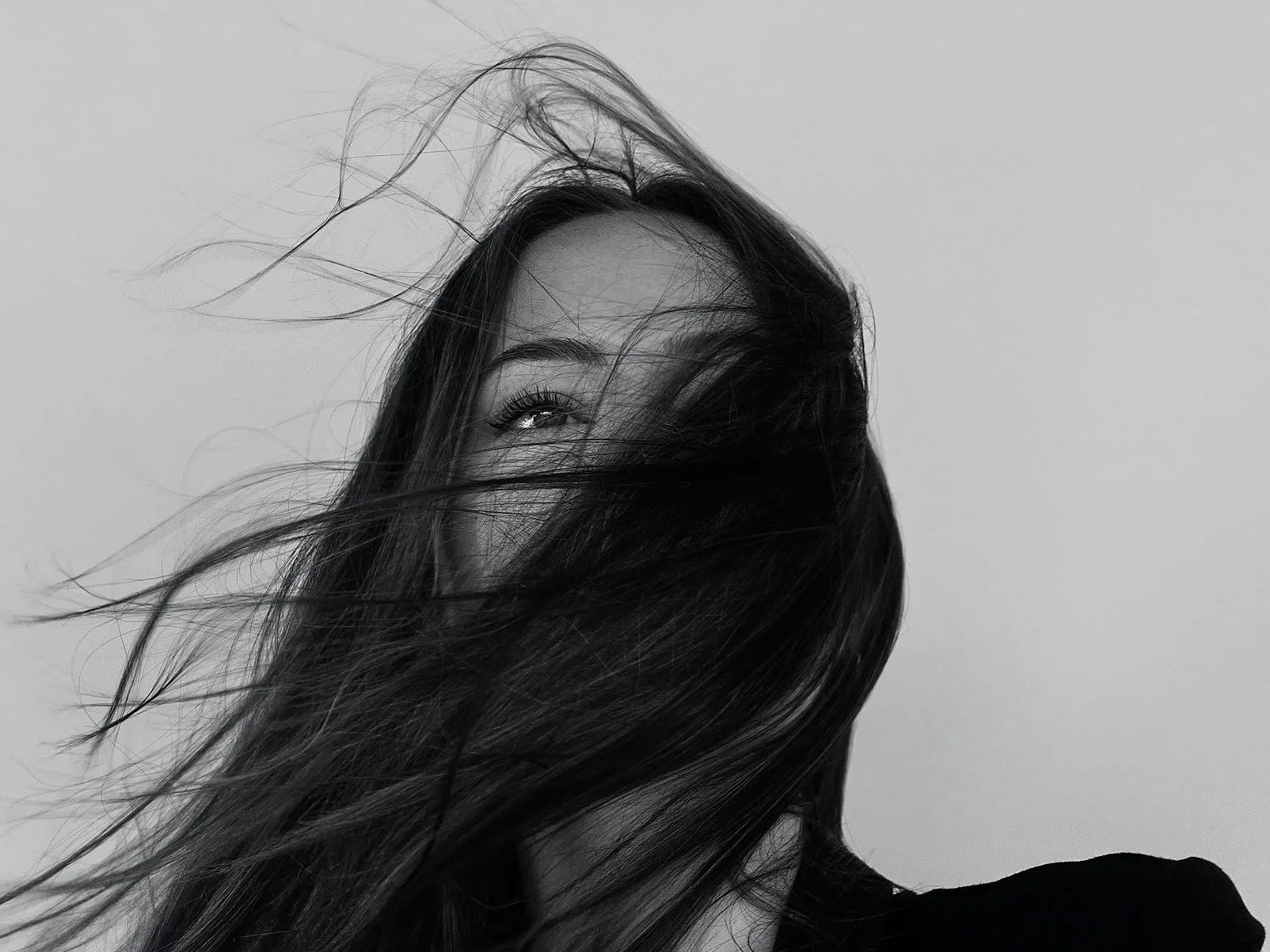
I love a good head of hair!!! I take pride in the health of my own hair, and when I see someone with an amazing mane, I can't help but stare! There is something undeniably captivating about beautiful, healthy, well-styled hair, and I think part of that fascination comes from how much a hairstyle can change the way we see someone.
Hair can alter the balance of a face, change an outfit's proportions, add drama to an otherwise simple look, or completely shift the impression someone gives off. A sleek style can feel sophisticated and controlled, while large, voluminous hair can bring glamour and presence. Waves, curls, texture, and even the way hair falls around someone's face can contribute to the overall character of a look.
That becomes particularly interesting when you look at hair through the lens of film. Hair is one of the many visual elements filmmakers use to establish a character, but unlike a piece of clothing or an accessory, hair moves with the actor. It reacts to physicality, the environment, lighting, wind, and the camera itself. In the right shot, that movement can become just as important to the image as the performance.
WANT MORE FILM AND ENTERTAINMENT BREAKDOWNS? READ MY LATEST ANALYSIS HERE
Hair Helps Build a Character
When a character is introduced on screen, the audience is receiving information about them before they have necessarily said anything. Costume, makeup, lighting, production design, posture, and hair all contribute to that first impression.
A character's hairstyle can reinforce the world they belong to or tell us something about their personality. A carefully maintained style might suggest someone who is meticulous about their appearance, while an intentionally disheveled look can communicate exhaustion, rebellion, instability, or simply a life that doesn't leave much room for vanity. Period films rely heavily on hairstyles to establish a specific era, while contemporary films can use hair to distinguish characters who might otherwise have similar costumes or physical characteristics.
Hair can also evolve alongside the character. Cutting it, growing it out, changing its color, or abandoning a previously meticulous routine can visually communicate that something has shifted. Sometimes the audience understands that transformation before the character ever acknowledges it themselves.
This is one reason hair and makeup departments are so important to filmmaking. Their work isn't simply about making an actor look attractive. It is part of creating a character and maintaining that character's visual continuity throughout a production.
The Movement of Hair in Action Scenes
The relationship between hair and performance becomes even more noticeable when an actor has to move. Think about an action sequence where a character is running, fighting, falling, climbing, or being thrown across a room. The actor's hair responds to every movement, whether it is whipping across the frame during a fight, bouncing as they run, falling across their face after hitting the ground, or lifting behind them as they move quickly.
Those details contribute to the physicality of the scene because the hair is responding to the same forces affecting the actor's body. A completely static hairstyle during an intense sequence could look disconnected from the performance, while natural movement gives the audience another visual indication of speed, force, and momentum.
Filmmakers can deliberately enhance that effect through wind machines, fans, practical effects, slow motion, and choreography. Even a relatively simple shot of an actor turning their head can become visually striking when their hair follows the movement.
This is particularly important for actors whose physical presence is central to their characters. Superheroes, action stars, dancers, and performers involved in elaborate fight sequences often need hairstyles that are not only visually appropriate but capable of behaving convincingly once the character starts moving. Maintaining that appearance across multiple takes and shooting days can require considerably more planning than the finished image suggests.
Hair and the Character Silhouette
Hair also has an important relationship with silhouette. A character's recognizable shape can remain identifiable even when their face isn't visible, particularly in a backlit shot, a distant composition, or a sequence where the character is partially obscured.
The difference between an actor with a close-cropped hairstyle and that same actor with long, voluminous hair can completely change their outline. The same is true of an afro, dramatic bangs, an elaborate updo, or another distinctive style. Hair can become part of the visual shorthand that allows an audience to recognize a character before they have a clear view of their face.
That idea extends beyond filmmaking. We instinctively associate particular hairstyles with different eras, subcultures, celebrities, genres, and aesthetics. Hair can establish context almost immediately, which is one reason it has such a strong influence on the overall impression of a look.
Bringing That Idea Into Everyday Style
Most of us aren't working with a hair and makeup department before leaving the house, but the same visual principles still apply. Hair changes the overall composition of an outfit and can determine whether the finished look feels glamorous, polished, relaxed, dramatic, soft, or deliberately unconventional.
A voluminous blowout can bring movement and presence to a simple outfit, while sleek hair can complement structured clothing and create a more controlled appearance. Waves and curls introduce softness and dimension, while textured styles can make a familiar hairstyle feel more distinctive.
That is why I think choosing a hair tool should start with the look you actually want rather than simply buying whatever styling tool happens to be trending. If you regularly want a big blowout, a thermal brush may make more sense than a traditional curling iron. If you like changing between different curl patterns, interchangeable barrels can give you more flexibility. If sleek styles are more your thing, a straightener or steam tool may be more useful.
Wavytalk is particularly interesting in this context because its collection covers several different approaches to styling, allowing you to build around the aesthetics you actually wear rather than committing yourself to one type of hairstyle. The brand currently has several of its styling tools on promotion as well, making this a particularly timely opportunity to explore the collection.
JOIN THE COMMUNITY
Stay ahead in entertainment and media trends. Subscribe for weekly insights on TV, streaming, social media, and storytelling—plus commentary and trending breakdowns delivered straight to your inbox.
Creating Volume With Wavytalk
A blowout is one of those hairstyles that can completely change the energy of an outfit without requiring an elaborate hairstyle. Volume changes the silhouette around the face and shoulders, which is part of what makes a good blowout so noticeable.
The Wavytalk Blowout Boost is a 1.5-inch ionic thermal brush designed to combine the shaping approach of a round brush with heated styling. For someone who likes volume, movement, and a polished finish, it offers a way to approach the classic blowout without having to coordinate a separate round brush and styling tool.
Wavytalk also offers the Blowout Boost Grande, with a larger styling surface for those who prefer a different approach to creating volume and shape. Rather than linking both products individually, I'd treat the Grande as an alternative within the same recommendation so the article doesn't start feeling overly commercial.
Changing the Shape of Your Curls
Curl size has a surprisingly significant effect on the overall character of a hairstyle. Loose waves can create a softer, more relaxed appearance, while tighter curls can make a look more defined and dramatic.
Wavytalk's Multi Curl takes that idea and builds several styling options into one system. The 5-in-1 curling wand includes interchangeable barrels designed for different curl and wave patterns, giving you the ability to change the finished look without needing a completely different styling system for every type of curl.
For someone who enjoys experimenting with their appearance, that flexibility is particularly appealing. Instead of treating your hair as something that has to look the same every day, you can use different shapes and textures to complement whatever aesthetic you're creating. Adding Texture
Texture is another way to change the personality of a hairstyle without committing to a haircut or color change. Wavytalk's Power Wave is a crimping iron designed to create textured waves, and the result can be incorporated into a contemporary hairstyle without necessarily leaning into a completely retro look.
Texture can be used selectively rather than throughout the entire head of hair. Adding it to specific sections can create dimension and visual interest, while a more dramatic application can become the defining feature of the hairstyle.
That makes a tool like this particularly interesting for anyone whose personal style leans toward experimentation. Hair doesn't have to remain in one category, and sometimes a small change in texture can completely alter the finished look.
When You Want One Tool to Do More
There is also something to be said for versatility, especially if you don't want your styling collection to turn into a cabinet full of appliances.
Wavytalk's Air Sculpt 5-in-1 is a hot-air styling system with interchangeable attachments designed for different styling functions, including volume, smoothing, and shaping. Rather than buying a separate tool for every hairstyle, a multifunctional system gives you more room to experiment within one setup.
SHOP WAVYTALK AIR SCULPT 5-IN-1
For someone building a styling collection from scratch, that can be particularly useful. The appeal isn't necessarily having more tools; it's having enough versatility to create different looks when you want them.
Hair as Part of the Image
The more attention you pay to hair in film, the harder it becomes to dismiss it as a minor detail. It contributes to a character's appearance, works alongside costume and makeup, changes as the character moves, and can become part of the recognizable silhouette that audiences associate with them.
What interests me most is how naturally that same idea carries into everyday life. We use our hair to frame our faces, complement our clothes, emphasize certain features, experiment with different aesthetics, and sometimes completely change how we present ourselves.
For an actor, hair is one component of the visual identity they inhabit on screen. For the rest of us, it can be part of the visual identity we choose for ourselves. A blowout, a set of curls, a textured style, or sleek straight hair can change the entire impression of an outfit without changing anything else.
That is what makes hair styling more interesting to me than simply trying to make our hair "look good." It is another part of the image we create.
The Art of the Hair Look
There isn't one hairstyle that everyone needs to have, and that's part of the appeal. Hair gives us the freedom to change the proportions, texture, movement, and overall character of our appearance whenever we want.
The right styling tool simply gives you more control over that process. Wavytalk's collection includes options for creating volume, curls, texture, sleek styles, and multifunctional looks, so the best choice ultimately depends on the aesthetic you're trying to create and how much versatility you want from your routine.
Whether you're thinking about hair from a filmmaking perspective or simply standing in front of your mirror deciding what kind of look you want today, the principle is surprisingly similar: the details matter.
And sometimes, you just really love a great head of hair.
Explore Wavytalk
If you're ready to experiment with your own hair look, Wavytalk offers a range of styling tools designed for different hair types, lengths, and styling needs. The brand regularly runs promotions and special offers, so available discounts, bundles, and featured products may vary.
Looking for more recommendations, creative inspiration, and behind-the-scenes insight into the world of film, entertainment, and the creative industry? Subscribe to the Art Imitating Life newsletter for new articles, industry conversations, filmmaking insights, and more delivered directly to your inbox.
Because promotions, discount codes, prices, product availability, and promotional terms can change, check Wavytalk's current website for the latest offers and product information before purchasing.
DISCLAIMER FOR ART IMITATING LIFE
While we strive to provide accurate and helpful content on this site, Art Imitating Life makes no warranties or guarantees regarding the accuracy, completeness, or reliability of any information, advice, or opinions shared here. Use of the content on this website is at your own risk, and to the fullest extent permitted by law, Art Imitating Life is not liable for any losses, damages, or other consequences resulting from its use. By accessing and using this website, you acknowledge and accept this disclaimer and agree to its terms.
Our website may contain links to external websites for your convenience. These external sites are not controlled, sponsored, or endorsed by Art Imitating Life. We do not assume any responsibility for the content, availability, or practices of these third-party sites and disclaim liability for any loss or damage arising from your use of them
