When the Environment Becomes the Character: The Power of Location and Set Design in Film
*This post contains affiliate links. I may earn a small commission for qualifying purchases at no extra cost to you.
There’s something magical about certain films and shows where the setting sticks with you just as much as the characters themselves. We often remember the plot twists, the gripping dialogue, and the emotional arcs, but sometimes it’s the environment that lingers long after the credits roll. The places, the spaces, the atmospheres, they don’t just frame the story; they actively shape it. In some cases, they become characters in their own right.
Today, we’re diving deep into how location and set design influence storytelling. Whether it’s the cramped, shadowy corridors in a thriller or the sprawling, desolate landscapes in a drama, these choices aren’t accidental. They’re meticulously crafted to mold how we perceive characters, heighten emotions, and guide narrative rhythms. And there’s a surprising connection between on-screen environments and the spaces we create for ourselves in real life, especially when it comes to creativity and focus.
More Than Just a Backdrop
It’s easy to think of location and set design as mere background decoration, something to hold up the story and let the actors shine. But this perspective misses the point. The environment actively steers our feelings and reactions, often below our conscious radar.
Think about how a cramped room makes you feel on screen. It’s not just physically tight; it compresses tension, wraps a psychological straitjacket around the characters, and sends a subtle message to the audience: danger, claustrophobia, or impending conflict. On the other hand, a wide, open landscape might evoke freedom, but sometimes isolation or vulnerability instead. Even the choice of color palettes, cold blues vs. warm ambers, manipulates emotional responses quietly yet powerfully.
These aren’t random design decisions. They’re carefully curated languages of mood and meaning, and when executed skillfully, the environment becomes indispensable to the story’s fabric. It’s not a passive backdrop; it’s a dynamic player.
How Space Shapes Character Behavior
Characters don’t float in a vacuum. They respond to and are shaped by the spaces they inhabit. Imagine a character in a sparse, minimalist room. They might come off as controlled, emotionally withdrawn, or even repressed. Now place that same character amid chaos, a cluttered, noisy apartment, and suddenly they seem overwhelmed, reactive, maybe vulnerable.
Environment dictates movement: how a person paces, slumps, or stands tall. It shapes posture and can even influence the cadence and tone of dialogue. Consider a whispered conversation in a silent, enclosed space versus a shouted argument in a bustling market. The words might be the same, but their impact is entirely different because the space around the characters alters their energy.
This interaction between space and behavior is at the heart of cinematic storytelling. It’s why great directors obsess over location scouting and set design to create authentic worlds that coax believable performances.
WANT MORE FILM AND ENTERTAINMENT BREAKDOWNS? READ MY LATEST ANALYSIS HERE
The Psychology Behind Set Design
There’s a fascinating psychological layer beneath the visuals we see on screen. Our brains pick up on subtle cues, textures, lighting, colors, and spatial layouts that influence how we emotionally process a scene without us even realizing it.
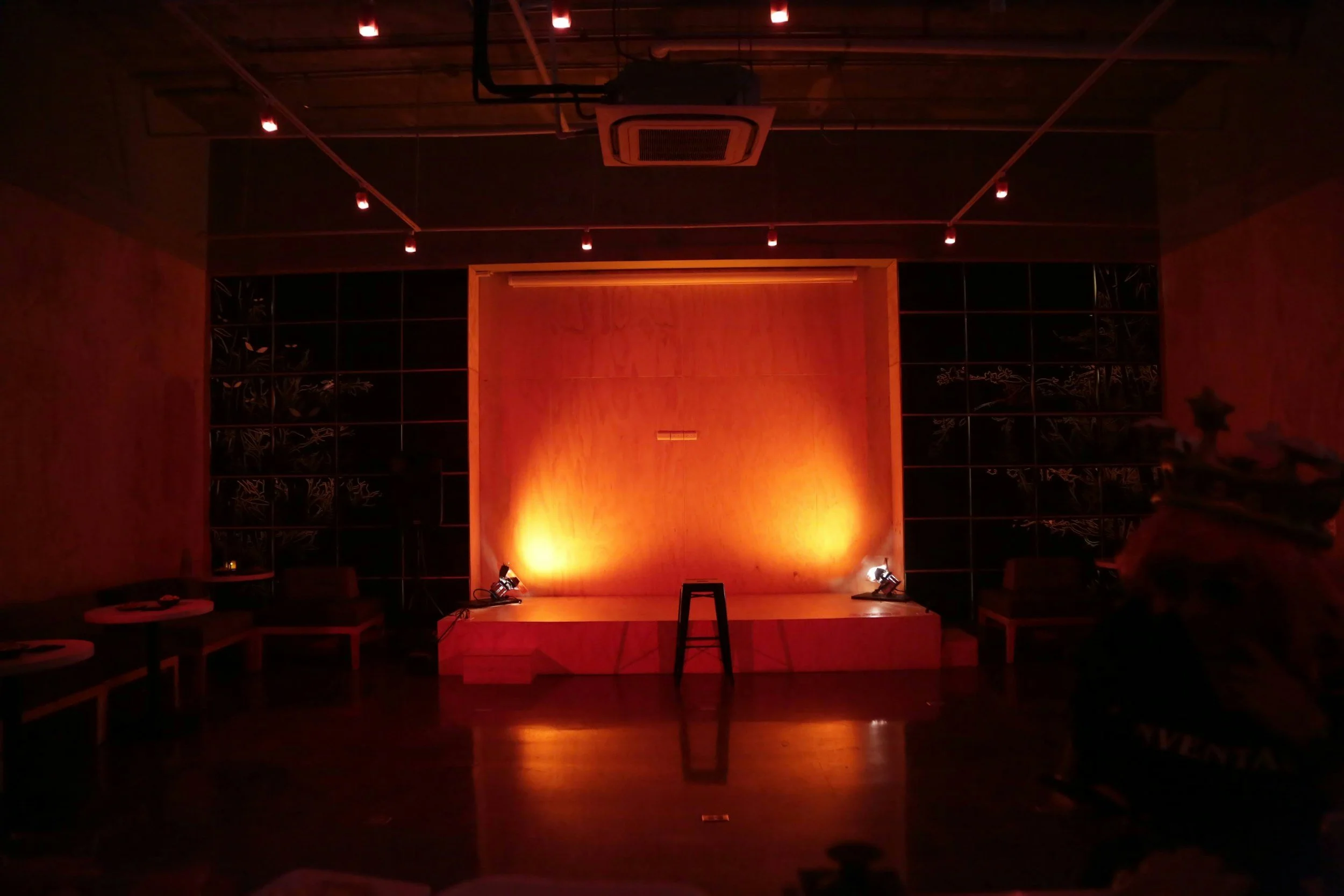
Colors, for example, are not just aesthetic choices. Cold tones, blues, grays, and muted greens can create emotional distance, signaling melancholy or detachment. Warm tones, reds, oranges, and yellows invite comfort, passion, or intimacy. Lighting further shapes perception: harsh, glaring light exposes vulnerability or creates unease, while soft, diffused lighting fosters closeness and warmth.
Interestingly, even an empty space speaks volumes. A sparse room might convey loneliness, control, or emotional sterility depending on context. And all these elements combine to subtly sway audience reactions, guiding how we feel about characters or anticipate what’s going to happen.
When Location Becomes Identity
Some films and shows are so deeply rooted in their setting that it’s impossible to imagine their stories unfolding anywhere else. The environment becomes inseparable from the narrative and characters; it’s part of the story’s DNA.
Think of places like the eerie Overlook Hotel in The Shining, or the bustling streets of Paris in Amélie. The characters’ journeys and the tension they carry are inextricably linked to these locations. Swap the setting, and the whole tone, meaning, and emotional weight of the story would shift dramatically.
This is when a set or location transcends its role as mere scenery and claims its space as a true character, one with presence, influence, and identity. It’s not just a backdrop; it’s storytelling.
The Rise of Controlled Environments in Modern Filmmaking
With digital production, green screens, and CGI, filmmakers now have extraordinary power to craft imaginative worlds without physical constraints. This innovation offers almost limitless scope, from towering cities to alien planets.
However, this shift comes with trade-offs. While digital environments afford flexibility, they can sometimes dampen the tangible interaction between actors and their surroundings. Performing in a real space invites spontaneous responses; actors feel the textures, navigate real obstacles, breathe in genuine atmospheres. Digital spaces, no matter how immersive, can feel abstract and removed.
This is why practical locations and expertly designed physical sets remain so vital. They ground performances in reality, generate natural chemistry, and add textures that even the best CGI struggles to replicate authentically.
Environment’s Role in Storytelling Rhythm
Location and set design don’t just influence feeling they affect pacing and rhythm, too.
Imagine a chase scene within the cramped confines of a narrow apartment: every footstep echoes, tension peaks quickly, and the scene feels urgent and fast. Contrast that with a scene set in an expansive, quiet park where each movement slows down, inviting reflection and giving viewers space to breathe.
Transitions between environments often signal shifts in narrative tone or themes. Moving from a dark basement to a bright rooftop can represent a movement from despair to hope or from confinement to freedom. These subtle cues control how we emotionally experience the story’s flow, even when we’re not consciously aware of it.

JOIN THE COMMUNITY
Stay ahead in entertainment and media trends. Subscribe for weekly insights on TV, streaming, social media, and storytelling—plus commentary and trending breakdowns delivered straight to your inbox.
Why This Matters Beyond Film
The role of the environment isn’t limited to the silver screen. It’s a truth that echoes into our real lives. The spaces we choose or create for ourselves have profound effects on how we think, focus, and express creativity.
Consider your own workspace: a cluttered desk might scatter your attention; a soothing, well-lit room might invite flow and focus. Just as a well-crafted set deepens a character’s journey, a thoughtfully arranged environment can deepen your own performance, whether at work, art, or any creative endeavor.
Designing Your Own Creative Environment
As someone who spends hours editing, writing, or brainstorming, I can’t overstate how much the right environment matters. Editing, especially, demands intention. The right lighting, a balanced noise level, and a calm, curated atmosphere can unlock productivity and inspiration.
If your space feels chaotic, it’s easy for your workflow and thought process to become chaotic, too. But if your surroundings feel intentional and inspiring, your creativity often follows suit. That’s why I’ve started paying more attention not just to the technical aspects of my setup, but also to the aesthetic and emotional feel of my environment.
Finding Inspiration in JoyDeco
One recent discovery has been JoyDeco, a brand whose decor pieces are more than just functional objects. They actively enhance a room’s atmosphere and presence. Instead of being mere background elements in a space, JoyDeco’s designs help the environment tell its own story.
This aligns perfectly with the idea of environment as character. When you’re working creatively, whether it’s editing, writing, or building ideas, the space you inhabit influences your mood and mindset. A thoughtfully designed room isn’t just decoration; it’s part of your creative narrative. It supports focus, encourages clarity, and sets the tone for your work.
So, investing in your environment isn’t just about looks. It’s about creating presence, energy, and emotional resonance that fuel your best work.
When Environment Becomes Identity; On Screen and In Real Life
In filmmaking, the environment is never accidental. It’s crafted with care, shaped to guide how we feel, and designed to support the story in ways we don’t always consciously notice. The best cinematic environments become characters themselves, powerful, unforgettable, alive.
In real life, this principle holds true, especially for creatives. The spaces we build or choose either help us show up fully or hold us back. Sometimes, the difference lies in the simple intentionality of what we place around us, how we design our surroundings, and what mood and meaning these choices create.
So whether it’s on screen or off, never underestimate the power of your environment. It isn’t just where the story happens; it is part of the story.
Want to Go Deeper Into How Media Systems Shape What We Watch?
If this breakdown made you rethink how much power environment holds in storytelling, there’s more waiting for you.
Be sure to subscribe to the newsletter so you don’t miss upcoming deep dives into film, media structure, and the systems that shape modern entertainment. And if you haven’t already, check out the previous post on How algorithms have become the new studio system, which connects directly to how content is built, distributed, and even visually designed today.
Also, if you’re interested in curating your own environment with intention, take a look at JoyDecofor pieces that help shape atmosphere, mood, and space more deliberately. As always, stay curious, and keep questioning what’s really shaping the stories you see on screen.
DISCLAIMER FOR ART IMITATING LIFE
While we strive to provide accurate and helpful content on this site, Art Imitating Life makes no warranties or guarantees regarding the accuracy, completeness, or reliability of any information, advice, or opinions shared here. Use of the content on this website is at your own risk, and to the fullest extent permitted by law, Art Imitating Life is not liable for any losses, damages, or other consequences resulting from its use. By accessing and using this website, you acknowledge and accept this disclaimer and agree to its terms.
Our website may contain links to external websites for your convenience. These external sites are not controlled, sponsored, or endorsed by Art Imitating Life. We do not assume any responsibility for the content, availability, or practices of these third-party sites and disclaim liability for any loss or damage arising from your use of them.
