Editing Is the Story: Why It Matters More Than Ever
*This post contains affiliate links. I may earn a small commission for qualifying purchases at no extra cost to you.
Why Editing Deserves the Spotlight This Award Season
While we’re deep in award season, it feels like the perfect moment to pause and appreciate one of the most essential yet often overlooked roles in filmmaking: the editor. Editing isn’t just a technical step in post-production; it’s the heartbeat of storytelling. From pacing and tone to emotional impact and suspense, the way a story is cut can fundamentally alter how an audience experiences a film.
I’ll be honest, editing has never been my favorite part of the creative process. Spending hours trimming footage, refining transitions, and adjusting timing can feel tedious and mentally exhausting. But even with that personal resistance, I’ve come to understand something crucial: editing is where a story truly becomes a story. It’s the stage where intention, discipline, and creative judgment determine whether a project simply exists or resonates.
Why Editing Makes or Breaks a Story
Strong editing controls rhythm. It dictates when a moment lingers, when tension peaks, and when silence speaks louder than dialogue. A well-timed cut can deepen character development, sharpen emotional beats, or completely reframe how a scene is interpreted. On the other hand, weak editing can flatten strong performances, disrupt narrative flow, or disconnect audiences from the story entirely.
Editing is also where meaning is refined. Decisions about what stays, what goes, and what order scenes appear in shape the audience’s emotional journey. In many ways, editors become the final storytellers, sculpting raw footage into something cohesive, intentional, and powerful.
WANT MORE FILM AND ENTERTAINMENT BREAKDOWNS? READ MY LATEST ANALYSIS HERE
The Democratization of Editing in 2026
In 2026, editing is more accessible than ever. Digital tools have removed many of the traditional barriers that once limited post-production to studios with large budgets. Today, filmmakers and content creators can produce professional-quality edits using laptops, tablets, or even mobile devices.
This accessibility has reshaped the creative landscape. Independent filmmakers, YouTubers, and digital creators now compete in the same visual space as larger productions, making editing skill a defining factor in whether content stands out or disappears into the noise.
Tools That Support Creative Control
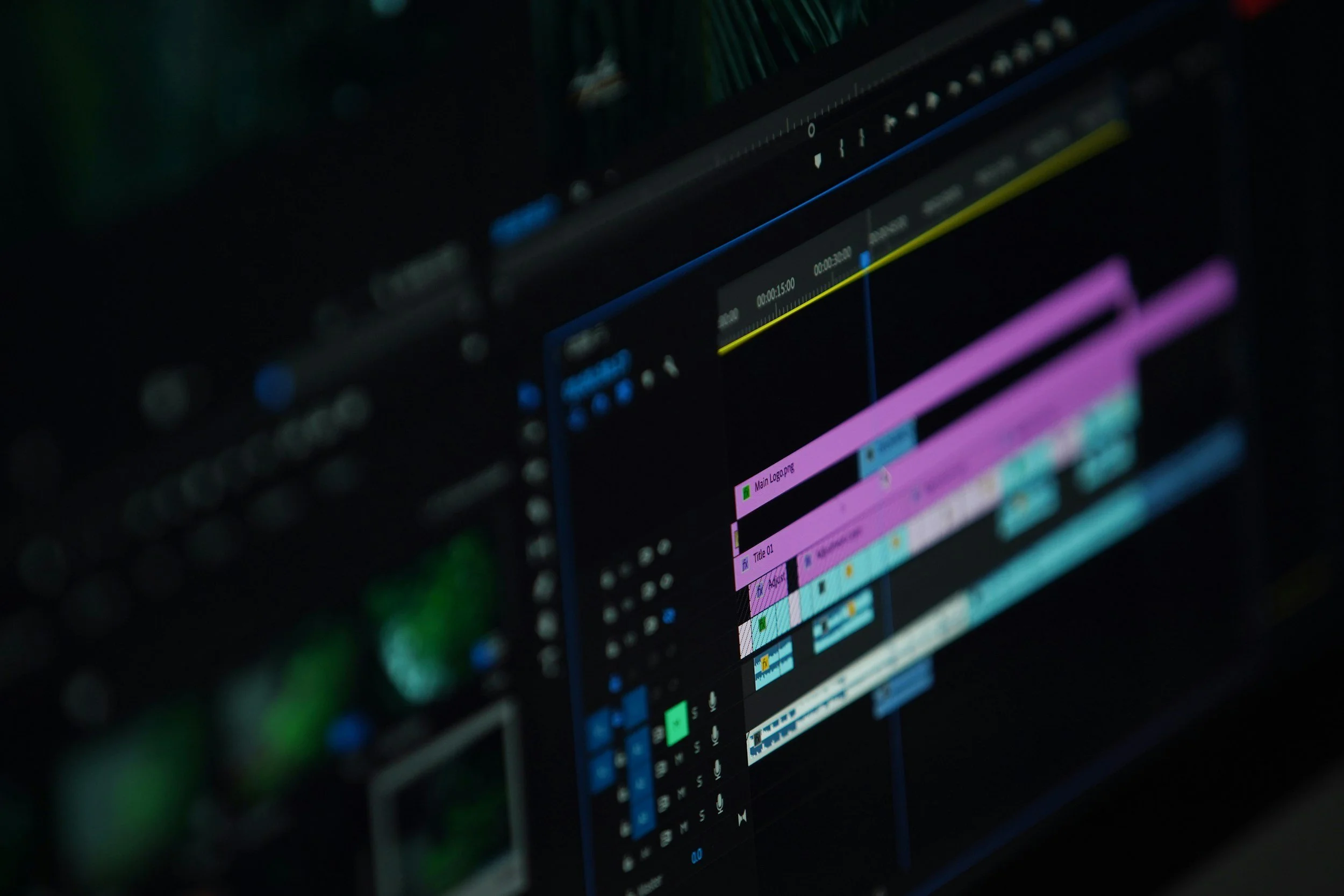
The right editing software doesn’t just speed up workflows; it enhances creative decision-making. Platforms like CapCut offer intuitive yet powerful features, including multi-track timelines, visual effects, audio controls, and precision trimming. These tools allow creators to focus on shaping story and emotion rather than fighting complicated interfaces.
CapCut’s flexibility makes it especially useful for creators working across formats, from short-form social content to longer narrative projects. It supports both beginners learning the fundamentals and experienced editors refining complex edits, making it a versatile option in an increasingly fast-paced content environment.
If you’re looking to streamline your workflow without sacrificing creative control, CapCut is a tool worth exploring.
JOIN THE COMMUNITY
Stay ahead in entertainment and media trends! Subscribe to our newsletter for weekly insights on TV series, streaming updates, social media influence, and modern storytelling. Get expert commentary, trending content breakdowns, and tips delivered straight to your inbox.
Editing as a Creative Advantage
Editing is more than technical assembly; it’s a creative advantage. Through editing, creators can establish tone, build tension, guide emotional responses, and maintain audience engagement across platforms. In a digital ecosystem driven by algorithms, retention, and watch time, strong editing often determines whether content connects or gets skipped.
Even for creators who don’t enjoy the process, editing remains a critical skill. It’s the difference between content that feels unfinished and work that feels intentional, polished, and impactful.
Why Editing Matters More Than Ever
As attention spans shrink and content volume grows, audiences are increasingly selective. Strong editing helps stories cut through the noise, communicate clearly, and leave lasting impressions. For filmmakers and creators serious about growth, editing is no longer optional; it’s foundational.
Award season celebrates performances, direction, and writing, but behind every celebrated film is an editor shaping its final form. Whether you love the process or tolerate it, investing time in editing skills and reliable tools is one of the most effective ways to elevate your work in 2026 and beyond.
READY TO DIVE DEEPER INTO THE FUTURE OF STREAMING?
Editing is where stories truly come alive, shaping how audiences experience tension, emotion, and narrative flow. If you want to elevate your own projects, try CapCut, a versatile editing tool that empowers creators to bring their vision to life.
Continue exploring the first installment of our Genre in Focus Series, check out our award-season coverage, and dive into more breakdowns on the craft behind modern filmmaking. Stay up to date with the latest trends in cinema and storytelling, reflecting how art imitates life in today’s film and television landscape.
DISCLAIMER FOR ART IMITATING LIFE
While we strive to provide accurate and helpful content on this site, Art Imitating Life makes no warranties or guarantees regarding the accuracy, completeness, or reliability of any information, advice, or opinions shared here. Use of the content on this website is at your own risk, and to the fullest extent permitted by law, Art Imitating Life is not liable for any losses, damages, or other consequences resulting from its use. By accessing and using this website, you acknowledge and accept this disclaimer and agree to its terms.
Our website may contain links to external websites for your convenience. These external sites are not controlled, sponsored, or endorsed by Art Imitating Life. We do not assume any responsibility for the content, availability, or practices of these third-party sites and disclaim liability for any loss or damage arising from your use of them.
