Comparative Study: Vancouver and the Globalization of Film Production
When people think about filmmaking, Hollywood is still the default reference point. California has long been seen as the symbolic center of global cinema, where major films and television series are developed, financed, and distributed.
But in practice, the modern film industry is far more geographically distributed than it used to be.
Today, some of the most recognizable television series and large-scale productions are filmed outside of California in global production hubs that function as extensions of Hollywood’s ecosystem rather than replacements for it.
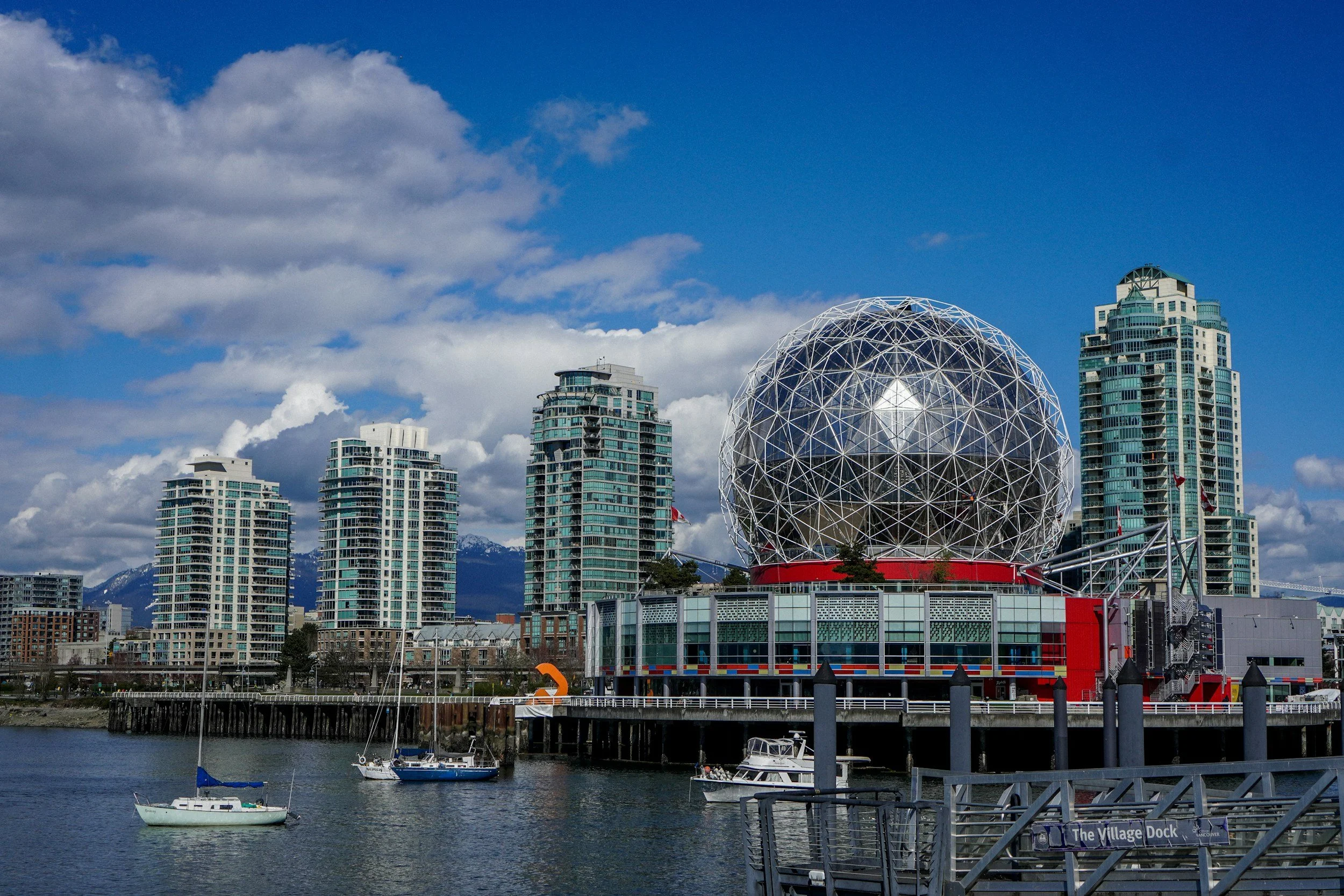
One of the clearest examples of this shift is Vancouver, Canada.
Often referred to as “Hollywood North,” Vancouver has become one of the most active and strategically important production cities in North America. It does not replace Hollywood, but it demonstrates how filmmaking now operates across multiple global locations instead of being centralized in a single place.
How Vancouver Became a Major Production Hub
Vancouver’s rise as a film and television hub developed gradually over several decades through a combination of economic incentives, geography, and infrastructure growth.
One of the most influential factors is cost efficiency. Compared to many U.S. production centers, Vancouver offers significantly lower production costs while still maintaining high technical standards. This makes it attractive for large studio projects that need to manage increasingly complex budgets.
Government-supported tax incentives in British Columbia also play a major role. These incentives allow productions to offset a portion of labor and production expenses, making the region financially competitive on a global scale.
Over time, these economic advantages encouraged more productions to relocate or expand filming into Vancouver. As demand increased, so did investment in infrastructure, sound stages, production facilities, post-production houses, and specialized crew networks.
The result is a fully developed production ecosystem capable of supporting everything from independent films to large-scale studio and streaming projects.
Why Vancouver Is Used as a Stand-In for Other Cities
One of Vancouver’s most interesting roles in the film industry is its ability to double for other locations on screen.
It is common for films and television shows set in American cities like Seattle, New York, or Chicago to be partially or entirely filmed in Vancouver. This is not because Vancouver is trying to imitate those cities, but because its urban environments are versatile enough to represent multiple settings depending on how they are filmed.
Modern downtown architecture, suburban neighborhoods, and surrounding natural landscapes give productions a wide range of visual options within a relatively small geographic area.
This flexibility makes Vancouver one of the most adaptable filming locations in North America, allowing productions to create diverse settings without relocating across multiple cities.
WANT MORE FILM AND ENTERTAINMENT BREAKDOWNS? READ MY LATEST ANALYSIS HERE
The Role of Tax Incentives in Modern Production Strategy
One of the key reasons Vancouver remains such an attractive production hub is its tax incentive structure.
Film and television production is highly cost-sensitive, especially in an era where streaming platforms are producing large volumes of content. Tax credits offered by the province of British Columbia help reduce overall production expenses, allowing studios to allocate budgets more efficiently.
For large-scale television series and feature films, these savings can significantly impact where a project is ultimately filmed.
This has made Vancouver part of a broader global production strategy where financial planning plays as large a role as creative or logistical considerations.
A Skilled and Established Production Workforce
Beyond financial incentives, Vancouver’s long-term success is built on its experienced workforce.
The region has developed a deep talent pool of film professionals including cinematographers, lighting technicians, production designers, editors, visual effects artists, and crew specialists.
In addition, Vancouver is home to a strong visual effects and post-production industry, which supports both local projects and international productions.
This concentration of skilled professionals allows productions to operate at a level comparable to traditional Hollywood environments, without requiring relocation to Los Angeles.
Streaming Platforms and the Expansion of Global Filming
The rise of streaming platforms has accelerated Vancouver’s importance in the global production landscape.
Unlike traditional studio systems that focused heavily on theatrical releases, streaming companies require a constant pipeline of new content. This has led to increased demand for locations that can deliver high-quality production at scale and within controlled budgets. Vancouver fits this model extremely well.
Its combination of cost efficiency, infrastructure, and experienced crews makes it a reliable hub for streaming-era production schedules, particularly for serialized television content.
As a result, many modern series now film extensively in Vancouver as part of a broader international production strategy.

JOIN THE COMMUNITY
Stay ahead in entertainment and media trends. Subscribe for weekly insights on TV, streaming, social media, and storytelling—plus commentary and trending breakdowns delivered straight to your inbox.
Vancouver as Part of a Distributed Hollywood System
It is important to understand Vancouver not as a replacement for Hollywood, but as part of a distributed production network.
Hollywood still plays a central role in financing, creative development, and global distribution. However, the physical production of film and television has become increasingly decentralized.
Cities like Vancouver, Atlanta, London, and others now function as interconnected nodes within a global entertainment system.
In this model, filmmaking is no longer tied to one geographic center. Instead, it operates as a network of production hubs that support different stages of the creative and logistical process.
Vancouver represents one of the most successful examples of this shift.
What This Means for the Future of Filmmaking
The significance of Vancouver extends beyond cost savings or location flexibility. It reflects a larger transformation in how the entertainment industry operates.
Film and television production is now shaped by global collaboration, distributed infrastructure, and economic efficiency as much as by traditional studio systems.
For filmmakers, this means opportunities are no longer confined to California. Production ecosystems now exist across multiple cities and countries, each offering different strengths and specializations.
For audiences, it means the content they consume is increasingly the result of international collaboration rather than a single centralized industry.
Hollywood as a Network, Not a Place
Vancouver’s rise as a major production hub illustrates a fundamental shift in modern filmmaking.
Hollywood is no longer defined solely by geography. It is defined by a network of global production centers that collectively support the creation of film and television at scale.
Vancouver is one of the clearest examples of this evolution. It demonstrates how a city outside California can become essential to global entertainment without replacing Hollywood, but by working alongside it as part of a larger system.
In that sense, the question is no longer whether you need to be in Hollywood to make films.
The question is how many different places now make Hollywood possible.
STAY IN THE CONVERSATION BEYOND THE SCREEN
Do you think Hollywood will always remain the center of the film industry, or are global production hubs like Vancouver changing what it means to be a filmmaker in today's entertainment landscape? I'd love to hear your thoughts. Leave a comment below and join the conversation.
If you found this article insightful, share it with a fellow filmmaker, film student, or creative professional who is exploring opportunities outside of traditional industry hubs.
And if you haven't already, subscribe to the AIL newsletter for more comparative filmmaking studies, industry analysis, career insights, and discussions about the evolving world of film and television.
Before you go, check out my latest post:
WHY ARE SO MANY MOVIE STARS MOVING TO TV? THE RISE OF STAR-STUDDED TELEVISION DRAMAS
DISCLAIMER FOR ART IMITATING LIFE
While we strive to provide accurate and helpful content on this site, Art Imitating Life makes no warranties or guarantees regarding the accuracy, completeness, or reliability of any information, advice, or opinions shared here. Use of the content on this website is at your own risk, and to the fullest extent permitted by law, Art Imitating Life is not liable for any losses, damages, or other consequences resulting from its use. By accessing and using this website, you acknowledge and accept this disclaimer and agree to its terms.
Our website may contain links to external websites for your convenience. These external sites are not controlled, sponsored, or endorsed by Art Imitating Life. We do not assume any responsibility for the content, availability, or practices of these third-party sites and disclaim liability for any loss or damage arising from your use of them.
