How Much Censorship Is Too Much? The Debate Shaping Modern Entertainment
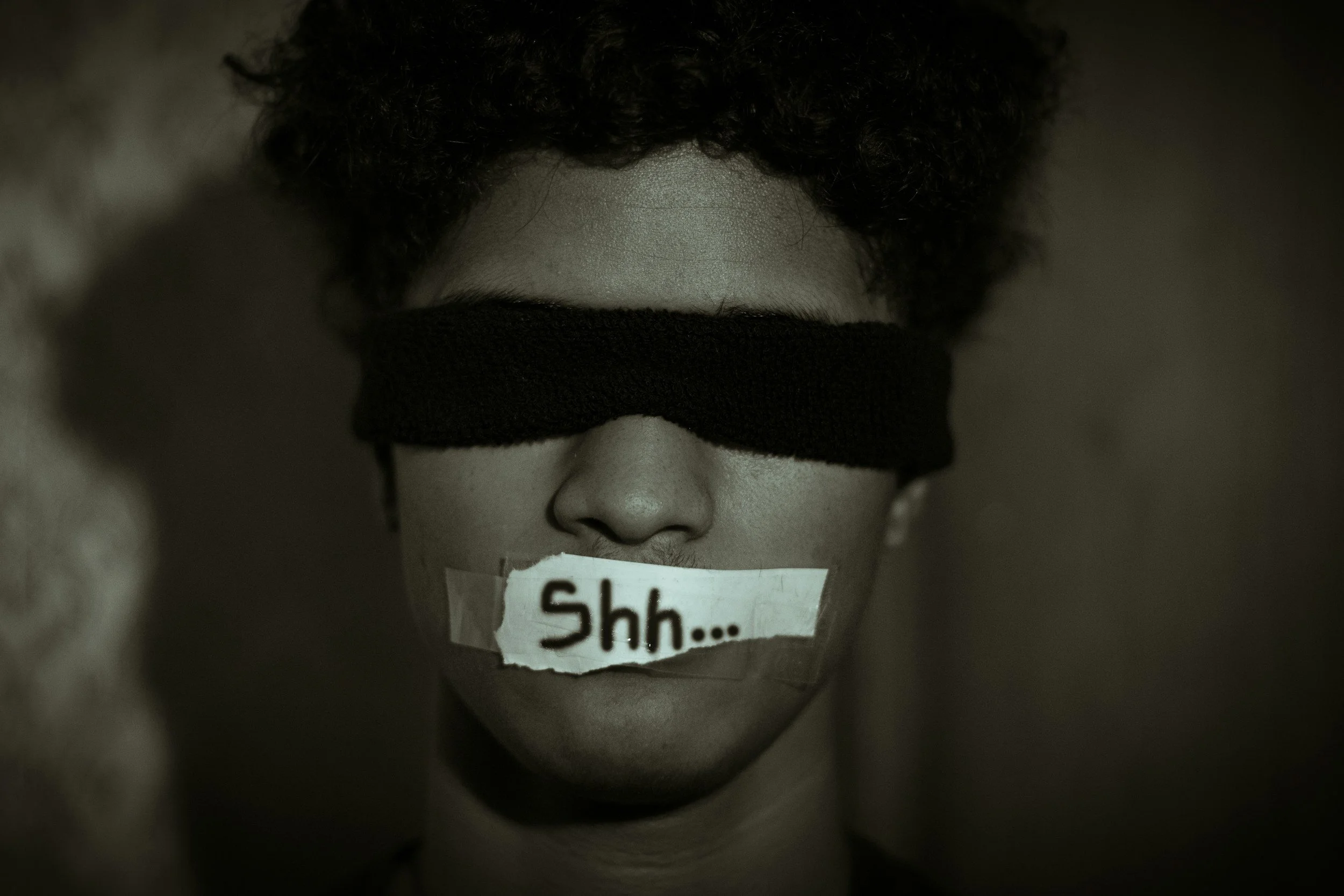
Censorship has always been one of the most complicated forces shaping entertainment. It determines what audiences are allowed to see, what creators are allowed to express, and how far storytelling can realistically go before it is altered, softened, or removed entirely.
But in the modern media landscape, the conversation around censorship has become even more complex. It is no longer just about government restrictions or broadcast standards. It now includes streaming platform guidelines, social media moderation, advertiser pressure, algorithmic visibility rules, and even the growing phenomenon of self-censorship among creators who anticipate backlash before it happens.
The question today is no longer whether censorship exists. The real question is where the line should be drawn and who gets to decide where that line is.
What Censorship Actually Looks Like Today
In traditional discussions, censorship is often imagined as a direct restriction imposed by governments or regulatory bodies. While that still exists in some contexts, modern censorship is far more layered and indirect.
In entertainment and digital media, content is shaped by multiple forces:
Streaming platforms enforce content guidelines that determine what can appear on screen.
Social media platforms regulate what can be posted, recommended, or monetized.
Advertisers influence what topics are considered “brand safe.”
Algorithms determine visibility, often rewarding some types of content while limiting others.
This creates a system where content is not always explicitly banned, but instead subtly shaped through visibility, monetization, or distribution rules.
As a result, censorship in the modern era often operates less like a hard stop and more like a filter that gradually reshapes what kind of content survives and thrives.
Why Some Level of Content Moderation Exists
It is important to acknowledge that not all forms of content regulation are inherently negative.
Most media systems have some form of moderation for practical and ethical reasons. These include protecting minors from inappropriate material, preventing direct harm or incitement, complying with legal standards across different countries, and ensuring that content aligns with advertising guidelines.
Historically, entertainment industries have always had boundaries. The Hays Code in early Hollywood is one example of strict moral guidelines that shaped film content for decades. Even today, television ratings systems and streaming classifications continue to serve as frameworks for audience guidance.
In this sense, moderation is not new. It is a structural part of how mass media operates.
The tension arises when the boundaries of moderation begin to feel less like guidance and more like restriction.
WANT MORE FILM AND ENTERTAINMENT BREAKDOWNS? READ MY LATEST ANALYSIS HERE
When Moderation Starts to Shape Creativity
One of the most significant concerns in modern entertainment is not overt censorship, but anticipatory restriction.
Creators often adjust their work before it is ever released. This process, known as self-censorship, occurs when writers, filmmakers, and content creators modify themes, language, or imagery in anticipation of platform rules, advertiser reactions, or public backlash.
This can lead to a subtle narrowing of creative expression. Instead of pushing boundaries and allowing audiences to interpret complex material, creators may avoid certain topics entirely to ensure distribution, monetization, or algorithmic favorability.
Over time, this can influence the types of stories that are even attempted in the first place.
The result is not always silence; it is often simplification.
The Role of Streaming Platforms and Algorithms
Streaming platforms have dramatically changed how content is distributed and consumed, but they have also introduced new forms of content control.
Unlike traditional television networks, streaming services rely heavily on recommendation systems and engagement metrics. This means visibility is often determined not only by quality, but by how content performs within algorithmic systems.
If certain topics or styles are less likely to be promoted or monetized, creators may gradually move away from them.
This does not necessarily involve explicit censorship, but it does influence creative decision-making in ways that can shape the overall media landscape.
In this environment, content is often optimized for reach, engagement, and compliance rather than purely artistic intent.
Social Media and the Amplification of Moderation
Social media platforms have further complicated the censorship debate.
Unlike traditional media, where content is reviewed before distribution, social platforms operate at scale and in real time. This requires automated moderation systems and policy frameworks that are often broad in order to function effectively.
However, broad systems can sometimes lead to inconsistent enforcement, unclear boundaries, and concerns about over-moderation.
Creators frequently express frustration about demonetization, reduced reach, or unclear guideline enforcement, especially when discussing sensitive or complex topics.
At the same time, these platforms must balance freedom of expression with the need to prevent harmful or illegal content from spreading.
This tension creates a constantly shifting boundary between moderation and perceived censorship.
JOIN THE COMMUNITY
Stay ahead in entertainment and media trends. Subscribe for weekly insights on TV, streaming, social media, and storytelling—plus commentary and trending breakdowns delivered straight to your inbox.
The Blurred Line Between Moderation and Censorship
One of the central challenges in this debate is defining the difference between moderation and censorship.
Moderation is generally understood as the enforcement of rules designed to maintain safety, legality, or platform standards.
Censorship, on the other hand, is often associated with the suppression or restriction of expression, particularly when it limits certain ideas or perspectives.
In practice, however, the line between the two is not always clear.
A platform removing harmful content may be seen as responsible moderation by some and overreach by others. A filmmaker altering a scene to meet distribution requirements may view it as practical adaptation, while critics may see it as creative restriction.
This ambiguity is part of what makes the topic so difficult to resolve.
The Entertainment Industry’s Long History With Content Boundaries
Concerns about censorship in entertainment are not new.
Hollywood has gone through multiple eras of strict content regulation, including periods where moral guidelines dictated what could and could not be shown on screen. Over time, these restrictions evolved into rating systems designed to inform audiences rather than strictly control content.
Television also developed its own standards and practices departments, which continue to influence what appears in broadcast media today.
What has changed is not the existence of rules, but the number of systems influencing content simultaneously.
Instead of a single regulatory framework, creators now navigate platform policies, global distribution requirements, advertiser expectations, and audience-driven backlash in real time.
Who Gets to Decide What Is Acceptable?
At the center of the censorship debate is a fundamental question: who has the authority to decide what is appropriate content?
In modern media, that authority is distributed across multiple groups:
Governments establish legal boundaries.
Platforms enforce internal policies.
Advertisers influence monetization standards.
Audiences shape cultural acceptance through engagement and reaction.
This creates a decentralized system where no single entity has complete control, but many entities have partial influence.
The result is a constantly evolving standard of what is considered acceptable, appropriate, or marketable.
The Impact on Storytelling and Culture
The concern raised by many creators and audiences is not simply about restriction, but about the long-term impact on storytelling diversity.
If creators consistently avoid certain themes due to external pressures, the range of stories available to audiences may gradually narrow. This can affect how culture reflects itself, particularly in areas involving complex or uncomfortable topics.
At the same time, evolving standards can also lead to more thoughtful storytelling, greater sensitivity, and increased awareness of how media impacts different audiences.
The impact is not one-directional. It is both restrictive and adaptive depending on context.
Where Should the Line Be Drawn?
The debate around censorship in entertainment is not a simple binary between freedom and restriction.
Most societies agree that some boundaries are necessary. The real challenge lies in determining where those boundaries should exist and how they should be applied across increasingly complex media ecosystems.
In a landscape shaped by streaming platforms, social media algorithms, global audiences, and advertiser influence, censorship is no longer a single force; it is a network of influences that collectively shape what stories are told and how they are told.
The question is not whether censorship exists in modern entertainment.
The question is how much influence it should have before it begins to quietly reshape the stories we are able to tell at all.
STAY IN THE CONVERSATION BEYOND THE SCREEN
Where do you think the line should be drawn between necessary content moderation and creative freedom?
Is modern entertainment becoming too restricted, or are evolving standards helping create a healthier media landscape? The answer may depend on who you ask.
I'd love to hear your perspective. Leave a comment below and join the conversation.
If you found this article thought-provoking, share it with fellow filmmakers, writers, content creators, and entertainment enthusiasts. Discussions about storytelling, censorship, and creative freedom are more important than ever as media continues to evolve.
And if you haven't already, subscribe to the AIL newsletter for more deep dives into film, television, streaming culture, audience behavior, and the forces shaping modern entertainment.
Before you go, check out my latest post: COMPARATIVE STUDY: VANCOUVER AND THE GLOBALIZATION OF FILM PRODUCTION
DISCLAIMER FOR ART IMITATING LIFE
While we strive to provide accurate and helpful content on this site, Art Imitating Life makes no warranties or guarantees regarding the accuracy, completeness, or reliability of any information, advice, or opinions shared here. Use of the content on this website is at your own risk, and to the fullest extent permitted by law, Art Imitating Life is not liable for any losses, damages, or other consequences resulting from its use. By accessing and using this website, you acknowledge and accept this disclaimer and agree to its terms.
Our website may contain links to external websites for your convenience. These external sites are not controlled, sponsored, or endorsed by Art Imitating Life. We do not assume any responsibility for the content, availability, or practices of these third-party sites and disclaim liability for any loss or damage arising from your use of them.
