Comparative Study: Why Seoul Is Redefining Global Filmmaking
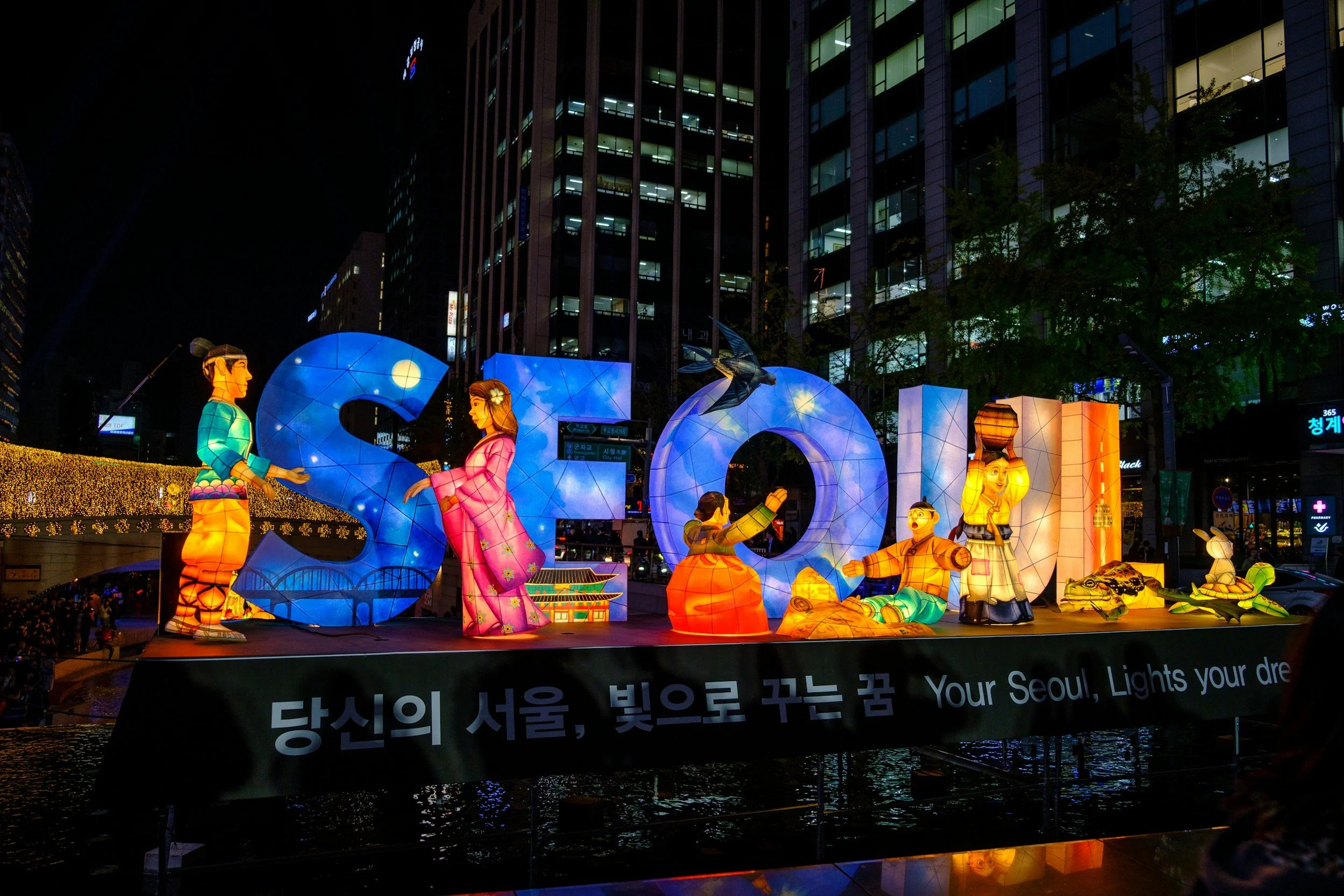
Filmmaking is often seen as a universal art form with a standardized structure, regardless of where it is produced. However, the reality is far more complex. The craft of filmmaking is deeply influenced by location, cultural context, and the unique environmental factors of its origin. Understanding how place shapes storytelling is essential to appreciating film on a global scale.
Few cities better exemplify this than Seoul, South Korea, a rapidly emerging powerhouse in the world of filmmaking and television production. Seoul is no longer just a backdrop or shooting location; it functions as a dynamic creative force that actively shapes narrative tone, pacing, and emotional resonance. The city’s unique ability to shift between grand, sprawling urban landscapes and intimate, personal spaces offers filmmakers unmatched artistic flexibility.
Seoul’s Unique Position in Global Film Production
Seoul’s film industry stands out because of its exceptional adaptability. Unlike traditional film hubs such as Hollywood in Los Angeles or the auteur-centric scene of Paris, Seoul seamlessly balances large-scale commercial productions with deeply character-driven storytelling. This dual capacity enables filmmakers to produce content that is both visually spectacular and emotionally compelling.
The city’s infrastructure supports blockbuster films and international collaborations, while its creative culture remains deeply rooted in exploring complex human emotions and societal issues. This balance is a significant factor behind Seoul’s rising influence in global cinema and streaming media.
WANT MORE FILM AND ENTERTAINMENT BREAKDOWNS? READ MY LATEST ANALYSIS HERE
Deep Social Themes in Korean Storytelling
What truly distinguishes Seoul-based filmmaking is its profound approach to storytelling. Korean films and television series frequently explore themes of social hierarchy, cultural pressure, and internal psychological conflict. These themes are not superficial; they form the narrative backbone of many Korean dramas and films, making the stories resonate deeply with both local and international audiences.
By embedding these social dynamics into the very structure of their narratives, Korean creators bring a level of emotional authenticity that transcends language and culture. This universal emotional core enables Korean content to connect on a global scale, fueling the international popularity of Korean cinema and television.
The Global Expansion of Korean Content
The global rise of Korean film and television has been propelled by streaming giants like Netflix, which have expanded access to Seoul’s creative output worldwide. Importantly, Korean productions have maintained their cultural identity and storytelling style rather than conforming to Western narrative expectations. This authenticity has attracted diverse audiences eager for fresh perspectives and innovative storytelling.
One standout example is the series The Trunk, filmed entirely in Seoul. The city in this series is more than a setting; it acts as a subtle narrative extension that enriches the psychological and emotional layers of the story. Through careful cinematography and restrained use of urban space, the show builds atmosphere without letting the environment overpower the characters, showcasing Seoul’s unique cinematic role.
Comparing Seoul to Other Major Film Cities
When compared to other prominent filmmaking locations, Seoul’s distinctiveness becomes clear. Cities like Atlanta thrive on robust production infrastructure and high-volume output, often as centers for Hollywood blockbusters. Conversely, countries such as France focus heavily on artistic tradition, auteur-driven films, and experimental storytelling.
Seoul occupies a fascinating middle ground. It combines the industrial strength necessary for large productions with a vibrant creative culture that prioritizes narrative innovation and emotional depth. This hybrid position is reshaping how the global film industry views urban filmmaking hubs.

JOIN THE COMMUNITY
Stay ahead in entertainment and media trends! Subscribe to our newsletter for weekly insights on TV series, streaming updates, social media influence, and modern storytelling. Get expert commentary, trending content breakdowns, and tips delivered straight to your inbox.
Seoul as a Model for the Future of Filmmaking
Seoul exemplifies the evolving nature of filmmaking as a flexible art form shaped by its environment and cultural context. Filmmakers in Seoul adapt their craft to reflect contemporary societal realities and shifting audience expectations. The result is a body of work that feels both distinctly local and globally relevant.
This dynamic underscores the enduring truth that art imitates life and life is inextricably linked to place. Storytelling naturally evolves with the cities and cultures that inspire it.
If Atlanta represents production muscle and France symbolizes artistic heritage, then Seoul stands as a beacon of the future where commercial scale meets creative innovation, and cultural specificity drives universal storytelling.
Seoul’s Pivotal Role in Global Cinema
In summary, Seoul is more than just a rising star in the global film industry; it is actively redefining global filmmaking. By blending large-scale production capabilities with emotionally rich, socially conscious storytelling, Seoul offers a new model for how location influences film art and industry. As Korean cinema and television continue to captivate worldwide audiences, Seoul’s impact on the future of storytelling and filmmaking will only grow stronger.
Explore What’s Shaping the Future of Film
Seoul is just one example of how the global film industry is expanding beyond the usual hotspots. Have you worked in Seoul or anywhere in South Korea as a filmmaker? Share your experience in the comments; your insight could help someone else take their next step.
Make sure to read the previous Comparative Study post, and tell me this: what other cities or countries are building strong filmmaking environments right now? Where should filmmakers be looking next?
Subscribe to the newsletter for exclusive insights, industry breakdowns, and a deeper look into where the future of filmmaking is heading.
DISCLAIMER FOR ART IMITATING LIFE
While we strive to provide accurate and helpful content on this site, Art Imitating Life makes no warranties or guarantees regarding the accuracy, completeness, or reliability of any information, advice, or opinions shared here. Use of the content on this website is at your own risk, and to the fullest extent permitted by law, Art Imitating Life is not liable for any losses, damages, or other consequences resulting from its use. By accessing and using this website, you acknowledge and accept this disclaimer and agree to its terms.
Our website may contain links to external websites for your convenience. These external sites are not controlled, sponsored, or endorsed by Art Imitating Life. We do not assume any responsibility for the content, availability, or practices of these third-party sites and disclaim liability for any loss or damage arising from your use of them.
