The Challenges of Making a Biopic: What the Michael Jackson Film Teaches Us
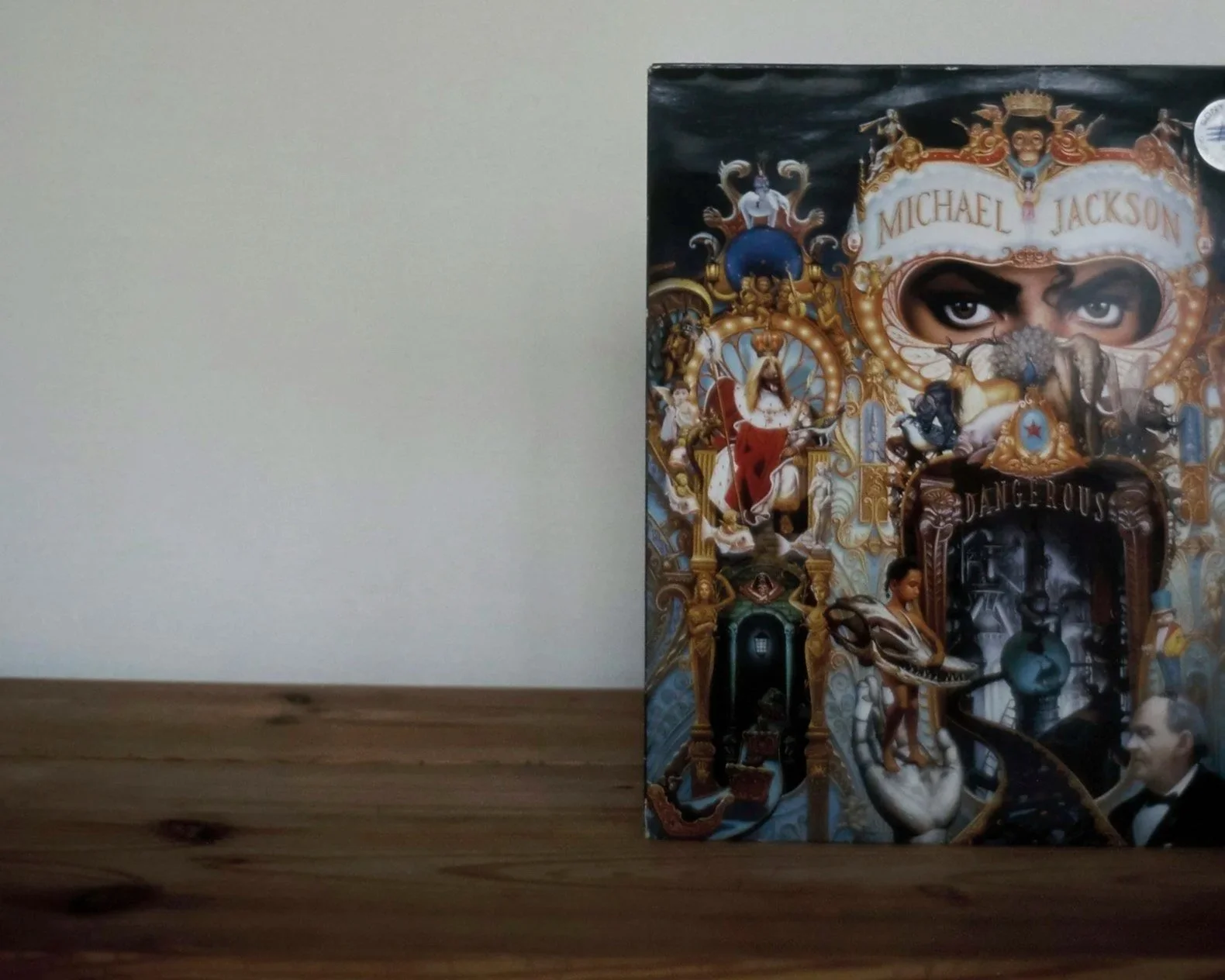
In an era where biopics continue to dominate Hollywood’s storytelling landscape, the recent Michael Jackson biopic brings the genre’s biggest challenge into focus. How do you compress an entire lifetime, especially one as globally documented and emotionally complex as Michael Jackson’s, into just two or three hours of screen time? The answer is that you can’t fully do it, and that limitation is exactly what defines the genre.
The Problem of Selection in Biographical Storytelling
At its core, the biopic is an exercise in selection. A filmmaker has to decide which parts of a person’s life carry enough weight to represent the whole. But human lives are not structured like narratives. They do not naturally form a clear beginning, middle, and end. Instead, they are fragmented, full of detours, contradictions, and periods that may feel uneventful but are still meaningful in hindsight. When adapting someone like Michael Jackson, that fragmentation becomes even more difficult to manage because his life spans multiple eras of fame, transformation, and public scrutiny. Any attempt to streamline that into a single cohesive arc immediately raises the question of what gets excluded and what becomes symbolic.
Compression vs. Distortion in Film Adaptation
This leads directly into one of the most difficult aspects of biographical filmmaking: compression without distortion. Events must be condensed, timelines often rearranged, and relationships simplified to maintain narrative clarity. Yet every adjustment carries the risk of reshaping how the audience understands the real person behind the story. The film is no longer just documenting a life; it is interpreting it. And interpretation always involves trade-offs.
Audience Expectation and Pre-Existing Public Memory
Another challenge lies in the fact that figures like Michael Jackson already exist in the public imagination before a biopic is even made. Unlike lesser-known subjects, his life has been extensively covered through documentaries, interviews, media narratives, and cultural memory. This means audiences are not approaching the story with curiosity alone; they are also arriving with expectations, opinions, and prior knowledge. Every scene in a biopic is, therefore, not just storytelling, but comparison. Viewers constantly measure what is shown against what they already believe to be true, which places the film under a unique kind of scrutiny that pure fiction does not face.
WANT MORE FILM AND ENTERTAINMENT BREAKDOWNS? READ MY LATEST ANALYSIS HERE
The Hybrid Nature of Biopics: Between Documentary and Fiction
This tension also raises a deeper question about the purpose of a biopic. It is not quite a documentary, which aims to present factual accuracy, nor is it pure fiction, which prioritizes narrative freedom. Instead, it exists in a hybrid space where emotional truth often matters more than strict chronology. Filmmakers may combine events, condense timelines, or emphasize certain relationships not to mislead, but to create coherence and emotional resonance. The result is a version of reality that feels structured and intentional, even if it does not fully align with the messiness of lived experience.
Why Biopics Often Feel Incomplete
Because of this, biopics often struggle with completeness. Even when they are well-crafted, they can feel like something is missing, not because of poor execution, but because the format itself is inherently limited. No single film can capture the full psychological depth, contradictions, and evolution of a person’s entire life. What it can do is isolate themes or defining periods and present them as a lens through which the audience understands the subject.

JOIN THE COMMUNITY
Stay ahead in entertainment and media trends. Subscribe for weekly insights on TV, streaming, social media, and storytelling—plus commentary and trending breakdowns delivered straight to your inbox.
The Weight of Cultural Legacy in the Michael Jackson Biopic
The Michael Jackson biopic highlights this limitation more sharply because of the scale of his legacy. His life is not just personal history; it is also cultural history. His influence spans music, performance, fashion, and global pop culture. Reducing that to a single narrative inevitably shifts focus toward certain aspects while leaving others underexplored. This selectivity shapes how audiences emotionally process his legacy, because what is emphasized on screen often becomes what is most remembered.
Biopics as Interpretation, Not Completion
Ultimately, the challenge of biopics is not just about storytelling mechanics, but about the nature of representation itself. Every biographical film is an argument about what a life meant, even when it does not explicitly state it. It is a structured interpretation of an unstructured reality. And while that will always involve omission and simplification, it is also what makes the genre compelling. Biopics endure because they attempt to translate something uncontainable into something understandable, even if that translation is always incomplete.
STAY IN THE CONVERSATION BEYOND THE SCREEN
If you found this exploration of biopic storytelling fascinating, don’t stop here. Subscribe to the AIL newsletter for more in-depth film analysis, creative tips, and cultural breakdowns delivered straight to your inbox. And if you’re looking to fine-tune your filmmaking process, be sure to read our previous post on why storage matters in filmmaking and how it shapes your workflow. Stay connected for more insights into how every detail in filmmaking, big or small, can shape the story you tell.
DISCLAIMER FOR ART IMITATING LIFE
While we strive to provide accurate and helpful content on this site, Art Imitating Life makes no warranties or guarantees regarding the accuracy, completeness, or reliability of any information, advice, or opinions shared here. Use of the content on this website is at your own risk, and to the fullest extent permitted by law, Art Imitating Life is not liable for any losses, damages, or other consequences resulting from its use. By accessing and using this website, you acknowledge and accept this disclaimer and agree to its terms.
Our website may contain links to external websites for your convenience. These external sites are not controlled, sponsored, or endorsed by Art Imitating Life. We do not assume any responsibility for the content, availability, or practices of these third-party sites and disclaim liability for any loss or damage arising from your use of them.
