AI in Hollywood: How AI-Generated Commercials Are Changing Filmmaking
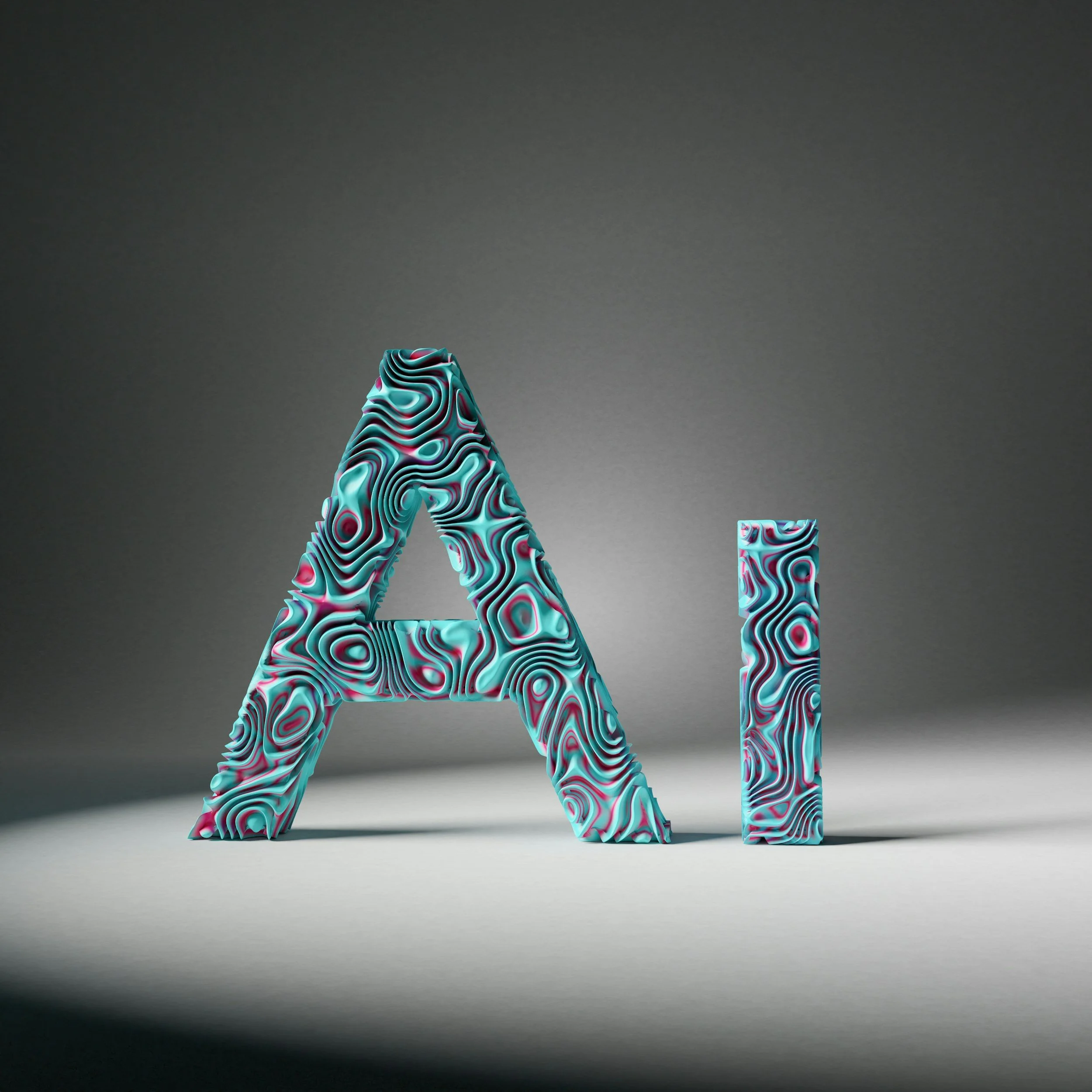
Artificial intelligence is no longer a futuristic concept confined to science fiction or experimental filmmaking. It has quickly become one of the most disruptive forces shaping modern advertising, and its influence is beginning to spill into the broader filmmaking industry.
AI-generated commercials have evolved from experimental demonstrations into real advertising campaigns used by major brands. Companies are now utilizing artificial intelligence to assist with concept development, storyboards, product photography, visual effects, voiceovers, digital environments, and even complete video advertisements that require little or no traditional filming.
For audiences, the shift has become increasingly noticeable.
Many viewers have watched recent commercials and questioned whether they were created using AI. Others notice something more difficult to explain. The lighting appears cinematic. The environments look highly detailed. The camera movements appear polished. Yet despite the technical quality, many viewers describe these advertisements as feeling disconnected or lacking something they cannot fully define.
That reaction raises an important question for both advertisers and filmmakers:
Is artificial intelligence enhancing creativity, or is it beginning to automate the craftsmanship that has defined visual storytelling for generations?
The answer is far more complicated than choosing between humans and machines. What is happening is not simply another technological advancement. It represents a major shift in how creative work is developed, produced, and evaluated.
For filmmakers, this conversation extends beyond advertising.
Commercials have historically served as testing grounds for emerging production technology. Digital cinematography, CGI, motion-control cameras, LED volume stages, and virtual production techniques all gained traction through advertising and commercial work before becoming more common throughout Hollywood.
Artificial intelligence appears to be following a similar path.
The question is no longer whether AI will influence filmmaking. The question is how much it will reshape the creative process.
Why Brands Are Investing in AI
To understand why artificial intelligence has spread so quickly throughout advertising, it is important to understand how modern marketing operates.
Commercials are no longer created solely for traditional television. A single campaign may need versions for YouTube, TikTok, Instagram, streaming platforms, websites, digital advertisements, and international markets. Each platform requires different formats, lengths, and creative approaches.
As media consumption has become more fragmented, brands are under increasing pressure to produce more content at a faster pace.
Traditional production was not designed for that level of demand.
Artificial intelligence changes the workflow by allowing creative teams to explore ideas faster before committing major resources. AI tools can help generate storyboards, concept images, product visualizations, alternate campaign ideas, and preliminary creative concepts before production begins.
In many cases, AI is not replacing the entire commercial process. It is accelerating parts of it.
Marketing teams can test multiple creative directions, explore different visual styles, and develop campaign variations in significantly less time. For companies, the appeal is clear: AI can increase efficiency, reduce certain production costs, and allow brands to create more content at a much faster rate.
However, this efficiency also introduces a larger creative question.
When production becomes increasingly focused on speed, scale, and optimization, what happens to craftsmanship?
For decades, some of the most memorable commercials have functioned like miniature films. They were built around intentional choices involving cinematography, performances, editing, sound design, production design, and storytelling.
Artificial intelligence changes that process by creating new possibilities while also challenging the traditional relationship between technology and human creativity.
Advertising Has Always Been About Understanding Audiences
The rise of AI-generated advertising is not the first time technology has changed how brands communicate with audiences.
Advertising has always relied heavily on understanding human behavior. Companies have historically studied consumer psychology, emotional responses, attention patterns, visual communication, and brand recognition to create campaigns that connect with viewers.
Every creative decision, from color choices and music selection to camera angles and storytelling structure, has traditionally been designed with audience reaction in mind.
Artificial intelligence introduces another layer of analysis.
Rather than relying only on creative instinct, companies can now combine storytelling with large amounts of audience data. AI systems can help analyze which advertisements receive attention, which visuals create engagement, and which messaging resonates with specific audiences.
This creates a shift in creative strategy.
Instead of only asking, “What is the strongest creative idea?” brands can increasingly ask, “Which creative idea is most likely to perform successfully based on available data?”
Those questions do not always produce the same answer.
Creativity has historically required risk. Some of the most memorable advertisements were successful because they introduced something unexpected or emotionally different from what audiences had seen before.
A purely data-driven approach may identify what already works, but innovation often comes from exploring what has not been done yet.
Creativity Is Becoming Increasingly Performance-Driven
This shift reflects a larger transformation happening throughout entertainment.
Streaming platforms analyze viewer completion rates. Social media platforms measure engagement. Recommendation algorithms influence what audiences discover.
Advertising is becoming increasingly connected to performance metrics.
Artificial intelligence allows companies to quickly identify patterns in audience behavior. If one version of an advertisement performs better than another, brands can analyze what elements contributed to that response. If viewers lose interest within the first few seconds, campaigns can be adjusted more quickly.
This creates a new relationship between creativity and data.
For decades, successful advertising relied heavily on experience, intuition, and creative risk-taking. Today, those instincts increasingly exist alongside analytics and predictive technology.
Neither approach is automatically better.
The challenge is determining how to use data without allowing it to replace originality.
For filmmakers, this is an important conversation because the same principles are already influencing the entertainment industry. Studios, streaming platforms, and production companies are increasingly interested in understanding audience behavior before investing in major projects.
AI may become another tool used to predict what audiences want.
But predicting audience behavior is not the same as creating meaningful stories.
WANT MORE FILM AND ENTERTAINMENT BREAKDOWNS? READ MY LATEST ANALYSIS HERE
The Economics Behind AI Commercials
Ultimately, artificial intelligence is being adopted because it makes financial sense for many companies.
Commercial production has always required significant resources. Directors, cinematographers, production designers, editors, actors, visual effects artists, and production crews all contribute to creating a finished advertisement.
AI offers companies the ability to simplify portions of that process.
Storyboards can be generated quickly. Concept art can be explored without extensive preparation. Digital environments can be visualized before locations are selected. Creative teams can experiment with multiple ideas before committing to a production budget.
From a business perspective, the benefits are difficult to ignore.
However, this is where the conversation returns to filmmaking.
The purpose of technology has always been to expand creative possibilities. Cameras, editing software, visual effects, and digital production tools all changed filmmaking without eliminating the need for human creators.
The concern surrounding AI is not simply whether it can create images.
The larger concern is whether an industry focused on efficiency will begin undervaluing the human decisions that make stories memorable.
A technically impressive commercial can still fail to create an emotional connection.
A visually perfect image does not automatically create meaning.
And that distinction may become one of the most important discussions in the future of filmmaking.
Coca-Cola and the Debate Over AI-Generated Creativity
One of the most significant examples of artificial intelligence entering mainstream advertising is Coca-Cola’s use of AI-assisted production in its holiday campaigns.
Few brands have built a stronger emotional connection with audiences than Coca-Cola. For decades, the company’s holiday advertisements have represented more than product marketing. They have become associated with nostalgia, family traditions, celebration, and shared cultural experiences.
Campaigns such as Holidays Are Coming were successful because they were not simply selling a beverage. They were creating an emotional association between the brand and meaningful moments in people’s lives.
That history made Coca-Cola’s decision to incorporate artificial intelligence into its holiday advertising particularly interesting.
From a technical standpoint, the advertisements demonstrated how advanced AI-generated visuals had become. The environments were highly detailed, the imagery was polished, and the production quality appeared similar to the type of content audiences traditionally associate with professional commercial production.
However, audience reactions revealed a more complicated conversation.
Many viewers were not questioning whether artificial intelligence could create visually impressive content. They were questioning whether AI could create something emotionally meaningful. The conversation quickly shifted away from the technology itself and toward a larger question:
Can artificial intelligence recreate the emotional connection that makes advertising memorable?
The Difference Between Looking Real and Feeling Real
The reaction to AI-generated commercials reveals an important distinction about storytelling: audiences do not connect with visuals alone. They connect with the intention, emotion, and human perspective behind those visuals.
A commercial can include all the elements typically associated with successful advertising. It can have beautiful cinematography, impressive visual effects, recognizable branding, and a carefully designed concept.
However, audiences often connect most strongly with the details that cannot easily be measured.
A performance feels genuine because of subtle human behavior. A character’s hesitation, a small facial expression, a moment of silence, or an unexpected reaction can communicate emotions more effectively than a perfectly constructed image.
Artificial intelligence is extremely effective at recognizing patterns. It can analyze millions of images, recreate visual styles, generate realistic environments, and produce content that appears increasingly lifelike.
However, storytelling has never been solely about appearance.
Human creators draw from personal experiences, observation, culture, and emotional understanding.
A filmmaker understands that sadness does not always appear as someone crying. Sometimes grief appears through avoidance, silence, or a person attempting to continue with daily life while struggling internally.
A filmmaker understands that happiness is not always represented by a perfect smile. Sometimes it appears through a nervous laugh, a small gesture, or a brief interaction between people.
AI can understand what a moment looks like.
Human creators understand why that moment matters.
That difference may become increasingly important as artificial intelligence continues to develop.
Why Audiences Recognize AI Even When They Cannot Explain Why
One of the most interesting parts of the AI advertising conversation is how quickly audiences have learned to identify artificial intelligence.
Often, viewers cannot immediately explain what feels different. They simply recognize that something feels unnatural.
This reaction connects to the concept of the uncanny valley, which describes the discomfort people experience when something appears almost human but still feels slightly artificial.
In advertising and entertainment, this can appear through subtle details, including unnatural facial expressions, movements that lack emotional rhythm, or scenes that appear visually perfect but lack spontaneity.
Human beings are naturally skilled at recognizing emotional cues because those cues are part of everyday interaction. We notice when someone appears uncomfortable, when a reaction feels forced, or when a conversation feels genuine.
Artificial intelligence can imitate many surface-level aspects of humanity.
However, emotional authenticity remains much more difficult to reproduce.
This is why the debate surrounding AI is not simply about whether machines can create realistic images.
The larger question is whether audiences will continue valuing the human decisions behind those images.
Authenticity May Become the New Creative Advantage
As artificial intelligence makes it easier to create polished and realistic visuals, authenticity may become increasingly valuable within entertainment and advertising.
Throughout history, technological advancements have often created renewed appreciation for human craftsmanship.
When mass production became widespread, handcrafted products became associated with uniqueness and quality. When digital photography became the standard, film photography experienced renewed interest. When streaming made music instantly accessible, physical formats such as vinyl records became valued as intentional experiences.
A similar shift may happen within filmmaking and advertising.
As AI-generated content becomes more common, audiences may begin placing greater value on work that highlights human involvement. This could include authentic performances, practical production techniques, real locations, behind-the-scenes craftsmanship, and creative decisions that audiences can recognize as intentional choices made by human creators.
The qualities technology once attempted to replace may become the qualities audiences actively seek.
AI Is Not Replacing Creativity, It Is Changing the Creative Process
The conversation surrounding artificial intelligence is often framed as a conflict between humans and machines.
However, that perspective oversimplifies the issue.
The question is not whether AI will exist within creative industries. It already does.
The more important question is how creators choose to use it.
Artificial intelligence does not independently understand a brand’s identity. It does not know why a story should matter. It does not determine what emotions an audience should experience.
Human creators still make those decisions.
A filmmaker determines the purpose of a scene.
A director establishes the emotional tone of a performance.
A writer develops the themes and ideas behind a story.
A creative team decides whether the final product actually communicates something meaningful.
AI can assist with execution. It can accelerate certain processes. It can provide additional creative possibilities.
However, it still requires human direction.
The role of the filmmaker may evolve from simply creating every individual element manually to becoming more focused on guiding, refining, selecting, and shaping creative outcomes.
Future filmmakers may spend less time completing repetitive technical tasks and more time making higher-level creative decisions.
JOIN THE COMMUNITY
Stay ahead in entertainment and media trends. Subscribe for weekly insights on TV, streaming, social media, and storytelling—plus commentary and trending breakdowns delivered straight to your inbox.
The Return of Craftsmanship in an Automated World
Perhaps the most interesting consequence of AI-generated advertising is that it may create a renewed appreciation for craftsmanship.
Modern entertainment has increasingly moved toward speed and constant production. Streaming platforms increased the demand for more content, and social media created expectations for constant output.
Artificial intelligence introduces another level of acceleration by making content creation faster and more accessible.
However, speed does not automatically create value.
Craftsmanship has never been about producing something quickly. It has always been about producing something intentionally.
Whether in architecture, filmmaking, writing, fashion, or design, craftsmanship comes from understanding a medium and respecting the process required to master it.
The most memorable creative works are rarely successful because they use the newest technology. They succeed because the creators understand the fundamentals of storytelling, composition, emotion, human behavior, and purpose.
Technology can expand what creators are capable of doing.
But technology alone cannot determine why something matters.
The Future of Filmmaking Will Belong to Hybrid Creators
The future of advertising and filmmaking will likely not belong to creators who completely reject AI.
It also will not belong to creators who allow artificial intelligence to make every creative decision.
The strongest creators will likely become hybrid creators. They will understand traditional filmmaking principles while learning how to incorporate new technology effectively.
A director may use AI to visualize concepts before production begins. A production designer may explore different environments before building a physical set. A writer may use AI as a brainstorming tool while maintaining control over the final story.
An editor may use AI-assisted tools to organize footage while focusing more attention on emotional pacing and storytelling.
The technology becomes an extension of the creative process rather than a replacement for creativity itself. The most valuable filmmakers will not simply know how to use AI.
They will understand when using AI improves the story and when human craftsmanship matters more.
What This Means for the Next Generation of Filmmakers
For aspiring filmmakers, the current moment can feel uncertain.
The industry is changing. Traditional career paths are shifting. Technology is advancing rapidly, and competition continues to increase.
However, every major technological shift has also created new opportunities.
The filmmakers who succeed will likely be those who understand both technology and humanity.
They will know how to work efficiently while still understanding why audiences connect with stories.
They will understand production while also understanding audience behavior.
They will recognize that filmmaking is not simply about creating more content.
It is about creating something that leaves an impact.
The Future of Creativity in an AI-Driven World
Artificial intelligence is transforming advertising faster than almost any previous technology.
Brands are embracing AI because it provides speed, flexibility, and efficiency. From a business perspective, the appeal is understandable.
However, creativity has never been defined by efficiency alone.
The commercials audiences remember years later are not always the ones with the most advanced technology.
They are the ones that made people feel something.
They created memories, reflected culture, and connected with human experiences.
Artificial intelligence may become one of the most powerful creative tools ever developed.
But tools do not create meaning. People do.
The future of advertising and filmmaking will not be determined by whether humans or AI win.
It will be determined by whether creators continue to understand the most important element of storytelling: The audience.
STAY IN THE CONVERSATION BEYOND THE SCREEN
Artificial intelligence is changing the way stories are created, but the question remains: will AI become the next great creative tool for filmmakers, or will it challenge the craftsmanship and human perspective that make storytelling meaningful?
What do you think? Are AI-generated commercials the future of filmmaking, or will audiences continue to value the human touch behind the camera? Share your thoughts and join the conversation.
Want more insights into the future of filmmaking, Hollywood trends, emerging technology, and the stories shaping the entertainment industry? Subscribe to the Art Imitating Life newsletter for the latest articles, analysis, and creative industry discussions delivered directly to your inbox.
For more analysis on filmmaking, technology, audience behavior, and the evolving future of Hollywood, explore more from Art Imitating Life.
DISCLAIMER FOR ART IMITATING LIFE
While we strive to provide accurate and helpful content on this site, Art Imitating Life makes no warranties or guarantees regarding the accuracy, completeness, or reliability of any information, advice, or opinions shared here. Use of the content on this website is at your own risk, and to the fullest extent permitted by law, Art Imitating Life is not liable for any losses, damages, or other consequences resulting from its use. By accessing and using this website, you acknowledge and accept this disclaimer and agree to its terms.
Our website may contain links to external websites for your convenience. These external sites are not controlled, sponsored, or endorsed by Art Imitating Life. We do not assume any responsibility for the content, availability, or practices of these third-party sites and disclaim liability for any loss or damage arising from your use of them.
