Tilly Norwood’s AI Actress Feature Film Debut: What It Means for Hollywood
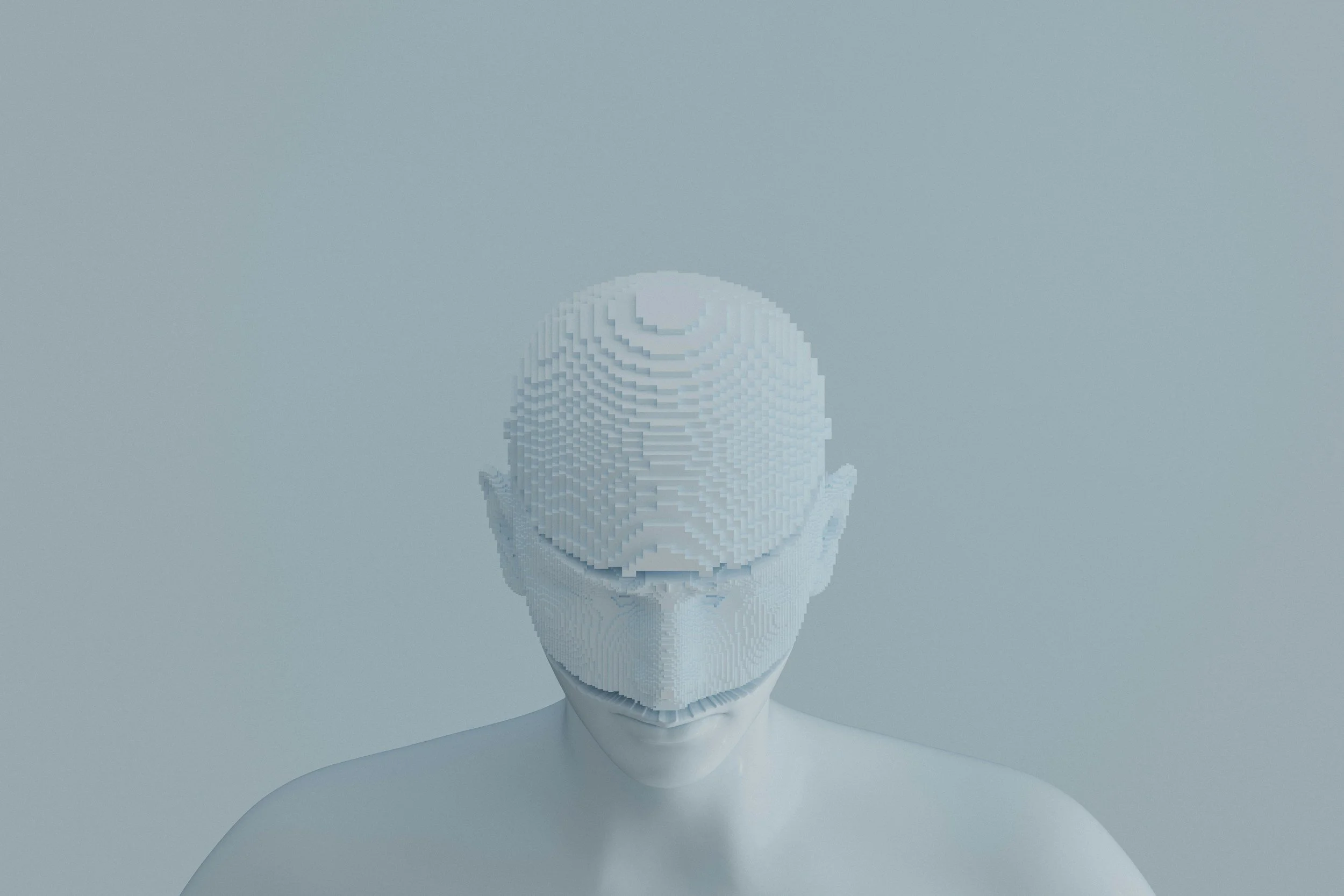
The relationship between artificial intelligence and Hollywood has entered a new stage.
When Tilly Norwood, an AI-generated actress, was first introduced, the announcement immediately created debate throughout the entertainment industry. Some viewed the technology as an exciting advancement that could introduce new creative possibilities, while others questioned what AI performers could mean for actors, filmmakers, and the future of storytelling.
With new developments surrounding Tilly Norwood’s upcoming film project, attention has shifted from speculation about what artificial intelligence might eventually accomplish to examining how the entertainment industry responds when AI moves from behind-the-scenes assistance into the center of performance itself.
Tilly Norwood represents a much larger question facing Hollywood: as artificial intelligence becomes more capable of generating realistic characters and performances, what role will human creativity continue to play in filmmaking?
Can AI Create a Believable Performance?
One of the most significant concerns surrounding Tilly Norwood is not simply whether the technology works, but whether audiences will emotionally connect with an AI-generated performer.
Artificial intelligence has advanced significantly in recent years. AI-generated images, voices, and digital characters have become increasingly realistic, allowing creators to produce visuals and performances that would have required extensive resources only a short time ago.
However, filmmaking has never been defined only by technical realism.
Audiences connect with characters because of emotion, personality, and human experience. A memorable performance is not created simply through facial expressions or dialogue delivery. It comes from the subtle choices an actor makes, including timing, vulnerability, interpretation, and emotional understanding.
This is where AI-generated performers face their greatest challenge. Creating a character that appears realistic is one part of filmmaking, but creating a character that audiences genuinely connect with requires a deeper understanding of human behavior.
The question surrounding AI actors is not only whether technology can imitate appearance, but whether it can capture the emotional complexity that makes performances memorable.
Hollywood Has Always Adapted to New Technology
The reaction to Tilly Norwood exists within a much longer history of technological change in filmmaking.
Hollywood has consistently adapted to tools that transformed the way stories are created. The introduction of sound changed acting techniques and production methods. Digital cameras changed cinematography. Computer-generated imagery expanded what filmmakers could create on screen. Streaming platforms changed how audiences discover and consume entertainment.
Each advancement created uncertainty about what might be lost during the transition.
However, technology itself has rarely determined whether a story succeeds. The impact comes from how creators use those tools.
Cameras, editing software, and visual effects can expand creative possibilities, but they do not replace storytelling, emotional understanding, or artistic direction.
AI performers introduce a similar challenge. The technology may provide new opportunities, but Hollywood’s approach will determine whether audiences view AI as a valuable creative tool or a threat to traditional filmmaking.
WANT MORE FILM AND ENTERTAINMENT BREAKDOWNS? READ MY LATEST ANALYSIS HERE
Why AI Performers Interest Hollywood
From a business perspective, the appeal of AI-generated performers is understandable.
Film and television productions are expensive. Hiring actors, managing schedules, organizing production logistics, and completing post-production require significant financial investment. Artificial intelligence offers studios and creators the possibility of increasing efficiency, reducing certain limitations, and exploring new approaches to production.
AI performers could potentially allow filmmakers to create characters that would otherwise be difficult to produce. They may also open opportunities for experimental storytelling, digital performances, and new forms of character creation.
However, efficiency is only one part of filmmaking.
The entertainment industry has always relied on more than production speed. Audiences remember performances because of the emotional connection created between the performer and the viewer.
The challenge for AI-generated actors is determining whether technological efficiency can exist alongside authenticity.
The Difference Between Realism and Emotional Connection
One reason AI-generated content continues to divide opinions is that viewers often recognize when something feels different, even when they cannot immediately explain why.
A digital character can have realistic movement, detailed expressions, and convincing visual qualities while still feeling disconnected.
Human performances are shaped by experience. Actors bring personal interpretation, emotion, and understanding to their roles. Their choices often come from observing people, experiencing emotions, and understanding the complexities of human relationships.
A character’s reaction is not always about what happens on the surface. Some of the most powerful moments in film come from subtle details: a pause before speaking, a change in expression, or a moment of hesitation.
These choices are difficult to replicate because they are not simply visual patterns. They come from a human perspective.
Artificial intelligence can analyze examples of performance, but human creators understand the meaning behind those moments.
Why Tilly Norwood Has Become a Major Hollywood Debate
Tilly Norwood represents a larger shift in how the entertainment industry approaches artificial intelligence.
Supporters of AI performers argue that the technology could expand storytelling possibilities and allow filmmakers to explore ideas that were previously limited by traditional production methods.
Critics have raised concerns about how AI could affect creative careers, including questions about actors’ roles, ownership, consent, and the value of human performance.
The debate reflects a larger question facing Hollywood: where should technology assist the creative process, and where should human involvement remain essential?

JOIN THE COMMUNITY
Stay ahead in entertainment and media trends. Subscribe for weekly insights on TV, streaming, social media, and storytelling—plus commentary and trending breakdowns delivered straight to your inbox.
The Importance of Craftsmanship in an AI Era
The rise of AI-generated performers may create a renewed appreciation for craftsmanship in filmmaking.
As technology becomes more advanced, intentional creative decisions may become even more valuable. The most memorable films are not successful simply because they use impressive technology. They succeed because filmmakers understand storytelling, emotion, and audience connection.
Craftsmanship comes from understanding why a creative choice matters.
A director understands why a specific camera angle alters the emotional impact of a scene. A writer understands why a character’s motivation creates emotional impact. An actor understands how small choices can reveal an entire internal struggle.
These elements transform a technically impressive production into a meaningful story.
Artificial intelligence may become an important tool for filmmakers, but emotional connection will remain central to storytelling.
What Tilly Norwood Reveals About the Future of Film
The response to Tilly Norwood demonstrates that Hollywood is entering a period of experimentation with artificial intelligence and creative technology.
AI will likely continue influencing filmmaking, from production tools to digital characters and performance technology. The industry will continue exploring how these tools can be used and where limitations should exist.
The future of film will likely not be defined by choosing between technology and human creativity. Instead, it will depend on finding a balance between innovation and the qualities that have always made storytelling meaningful.
As AI becomes more present in entertainment, audiences will continue deciding what feels authentic, what creates emotional connection, and what deserves a place in the future of filmmaking.
What Happens When Technology Becomes the Performer?
Tilly Norwood’s AI actress project represents more than a technological experiment. It reflects a major shift in how Hollywood is approaching artificial intelligence and creative production.
The industry has always evolved alongside new technology, but audiences continue to value stories that feel personal, intentional, and emotionally meaningful.
The biggest challenge for AI-generated performers will not be creating realistic images or convincing movements. It will create the type of human connection that has defined memorable performances throughout cinematic history.
Tilly Norwood may become an early example of how Hollywood navigates the relationship between artificial intelligence, creativity, and human craftsmanship.
As technology continues to evolve, the question will not only be what AI can create, but what audiences believe is worth connecting with.
STAY IN THE CONVERSATION BEYOND THE SCREEN
What do you think about Tilly Norwood’s AI actress project? Does it represent an exciting new direction for filmmaking, or does it raise concerns about preserving the human element of storytelling?
Share your thoughts and join the conversation.
For more analysis on filmmaking, Hollywood trends, technology, and the future of storytelling, subscribe to the Art Imitating Life newsletter and stay connected with the conversations shaping the entertainment industry.
DISCLAIMER FOR ART IMITATING LIFE
While we strive to provide accurate and helpful content on this site, Art Imitating Life makes no warranties or guarantees regarding the accuracy, completeness, or reliability of any information, advice, or opinions shared here. Use of the content on this website is at your own risk, and to the fullest extent permitted by law, Art Imitating Life is not liable for any losses, damages, or other consequences resulting from its use. By accessing and using this website, you acknowledge and accept this disclaimer and agree to its terms.
Our website may contain links to external websites for your convenience. These external sites are not controlled, sponsored, or endorsed by Art Imitating Life. We do not assume any responsibility for the content, availability, or practices of these third-party sites and disclaim liability for any loss or damage arising from your use of them.
