Why Super Bowl Ads Work: The Psychology Behind the Millions
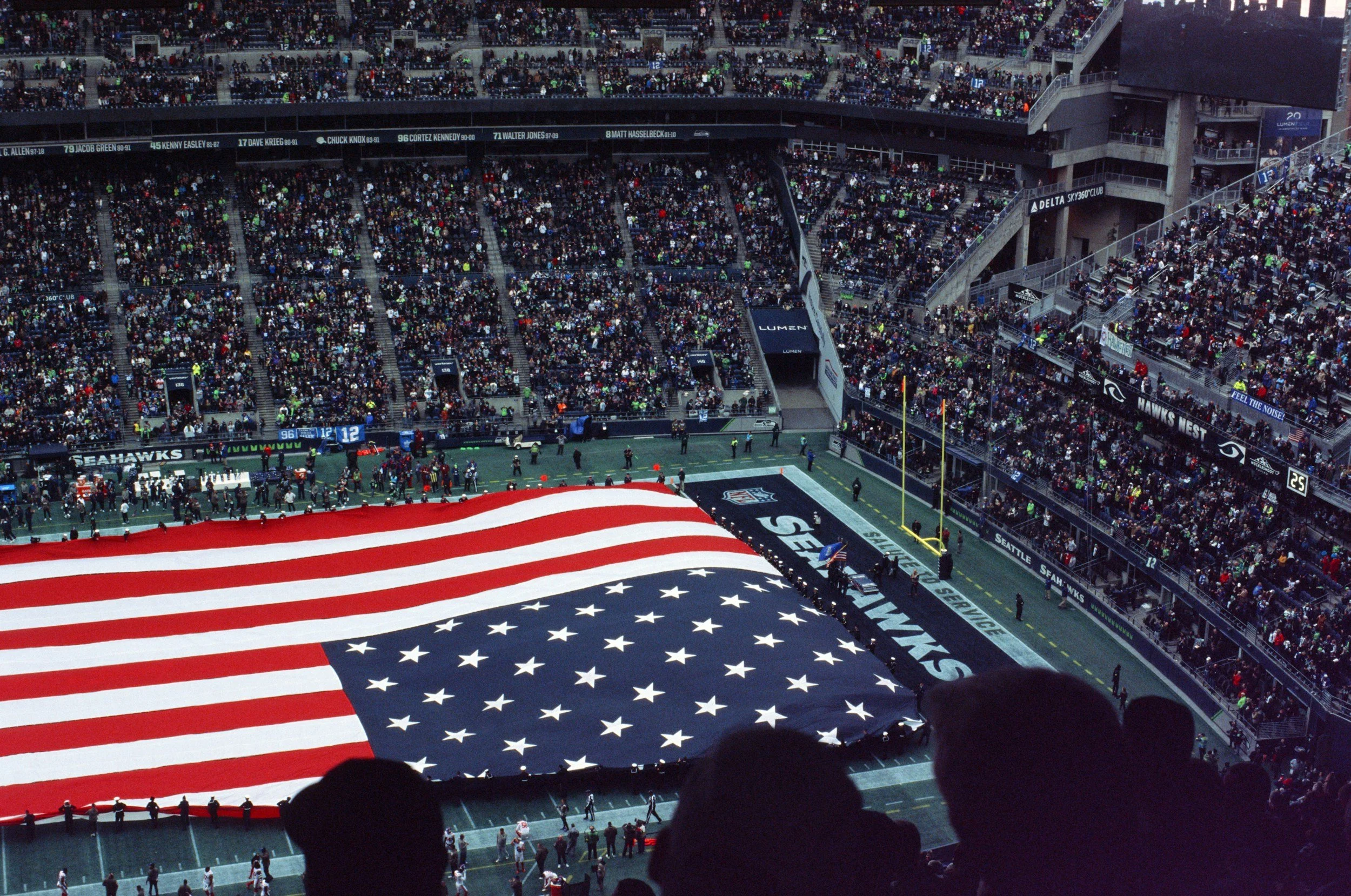
Every year, the Super Bowl delivers more than just a championship game; it delivers one of the most powerful advertising environments on the planet. For brands, a 30-second Super Bowl commercial isn’t just an ad slot; it’s a psychological opportunity. With millions of viewers watching simultaneously, brands invest staggering amounts of money to secure attention, shape perception, and embed themselves into cultural memory.
But what actually makes Super Bowl ads so effective? And why do they linger in our minds long after the final whistle?
The answer lies in psychology, specifically how emotion, attention, storytelling, and social behavior work together in a high-stakes, shared experience.
Why the Super Bowl Is a Psychological Goldmine
The Super Bowl creates a rare viewing environment where audiences are fully engaged. Unlike regular television, viewers expect the commercials to be entertaining. They don’t tune them out; they anticipate them. That shift in mindset matters.
When people are primed for entertainment rather than interruption, their brains are more receptive. Attention is higher, resistance is lower, and memory formation becomes easier. Brands aren’t fighting for awareness; they’re being invited into the experience.
This is why Super Bowl advertising isn’t just about selling a product; it’s about occupying mental space.
Emotion Is the Hook
Emotion is the fastest way to memory. Super Bowl ads consistently lean into humor, nostalgia, sentimentality, or surprise because emotional responses create stronger neural connections than rational messaging alone.
When an ad makes you laugh, tear up, or feel seen, your brain tags that moment as meaningful. The brand attached to that feeling benefits from emotional association, even if the product itself isn’t the focus.
That’s why many Super Bowl ads feel more like short films than commercials. They aren’t pushing features; they’re creating emotional imprints.
WANT MORE FILM AND ENTERTAINMENT BREAKDOWNS? READ MY LATEST ANALYSIS HERE
Storytelling Over Selling
One of the defining traits of successful Super Bowl ads is storytelling. Instead of direct persuasion, brands tell compact stories with clear beginnings, middles, and endings. These narratives give viewers something to follow, something to remember, and something to talk about.
Storytelling also lowers skepticism. When viewers are absorbed in a narrative, they’re less likely to analyze intent and more likely to absorb meaning. The product becomes part of the story rather than the center of a sales pitch.
In a media landscape flooded with ads, storytelling is how brands stand out without shouting.
The Power of Shared Experience
The Super Bowl isn’t just watched, it’s experienced collectively. Viewers react in real time, discuss ads during the game, and debate favorites afterward. This shared attention amplifies impact.
Psychologically, people assign greater importance to experiences they share with others. When an ad becomes a conversation starter, it gains social validation. The more it’s talked about, replayed, and referenced, the more embedded it becomes in cultural memory.
Brands aren’t just buying airtime; they’re buying relevance within a communal moment.
Celebrity Familiarity and Cognitive Shortcuts
Many Super Bowl ads rely on recognizable faces because familiarity captures attention quickly. Well-known figures act as cognitive shortcuts; viewers already have emotional associations with them, which transfers onto the brand.
However, celebrity use only works when it supports the story. When the star overshadows the message, the brand risks being forgotten. The most effective ads use celebrities as narrative tools, not distractions.

JOIN THE COMMUNITY
Stay ahead in entertainment and media trends! Subscribe to our newsletter for weekly insights on TV series, streaming updates, social media influence, and modern storytelling. Get expert commentary, trending content breakdowns, and tips delivered straight to your inbox.
Why Spending Millions Is the Point
The massive cost of Super Bowl ads isn’t just a barrier; it’s part of the message. High spend signals confidence, scale, and legitimacy. On a subconscious level, viewers interpret the presence of a Super Bowl ad as a marker of brand strength.
It tells audiences: this brand is established, serious, and here to stay.
In a fragmented media environment, that signal alone can influence perception, trust, and long-term brand equity.
Do Super Bowl Ads Actually Work?
Not every Super Bowl ad succeeds, but the ones that do leave lasting impressions far beyond game day. Their effectiveness isn’t measured solely in immediate sales, but in brand recall, emotional association, and cultural presence.
When done right, a Super Bowl ad becomes part of how people remember a brand, not because it sold something, but because it made them feel something.
Super Bowl advertising works because it aligns perfectly with human psychology. It combines emotion, storytelling, attention, and social validation into one concentrated moment. Brands aren’t just paying for exposure; they’re paying to shape memory.
In an era where attention is fragmented and audiences are harder to reach, the Super Bowl remains one of the few moments where brands can connect deeply, collectively, and emotionally all in under a minute.
And that’s why they keep spending millions.
The Power of the Surprise Drop: Once Upon a Time in Hollywood sequel
One of the most strategic Super Bowl moments wasn’t a traditional commercial; it was the unexpected reveal of the Once Upon a Time in Hollywood sequel trailer. In a media landscape saturated with promotion, surprise has become one of the most powerful psychological tools.
Surprise drops trigger heightened emotional responses, increased attention, and rapid social sharing, instantly extending reach far beyond paid airtime. By debuting the trailer during the Super Bowl, a rare moment of collective focus, the studio transformed a single placement into a multi-day cultural event.
This strategy reflects a larger shift in entertainment marketing: away from slow, predictable rollouts and toward experience-driven releases designed to spark emotion, conversation, and cultural imprint. Sometimes, the most effective advertising doesn’t feel like advertising at all.
READY TO DIVE DEEPER INTO THE FUTURE OF STREAMING?
Love diving into the psychology behind pop culture and media? Don’t miss our Rewrite Series, where we unpack how mindset, storytelling, and culture intersect, including our recent deep dives on The Reckoning, and the tribute post Remembering an Icon: Catherine O’Hara.
We’re also keeping the conversation going on awards season, especially as we gear up for the Oscars, so stay tuned for timely insights and commentary.
I want to hear from you: What caught your attention during the Super Bowl? Did any ad stand out to you, or make you think differently about marketing and media influence? Drop your thoughts in the comments below. Let’s keep the conversation going!
DISCLAIMER FOR ART IMITATING LIFE
While we strive to provide accurate and helpful content on this site, Art Imitating Life makes no warranties or guarantees regarding the accuracy, completeness, or reliability of any information, advice, or opinions shared here. Use of the content on this website is at your own risk, and to the fullest extent permitted by law, Art Imitating Life is not liable for any losses, damages, or other consequences resulting from its use. By accessing and using this website, you acknowledge and accept this disclaimer and agree to its terms.
Our website may contain links to external websites for your convenience. These external sites are not controlled, sponsored, or endorsed by Art Imitating Life. We do not assume any responsibility for the content, availability, or practices of these third-party sites and disclaim liability for any loss or damage arising from your use of them.
