Audience Psychology & Emotional Manipulation in Film: How Movies Shape What We Feel
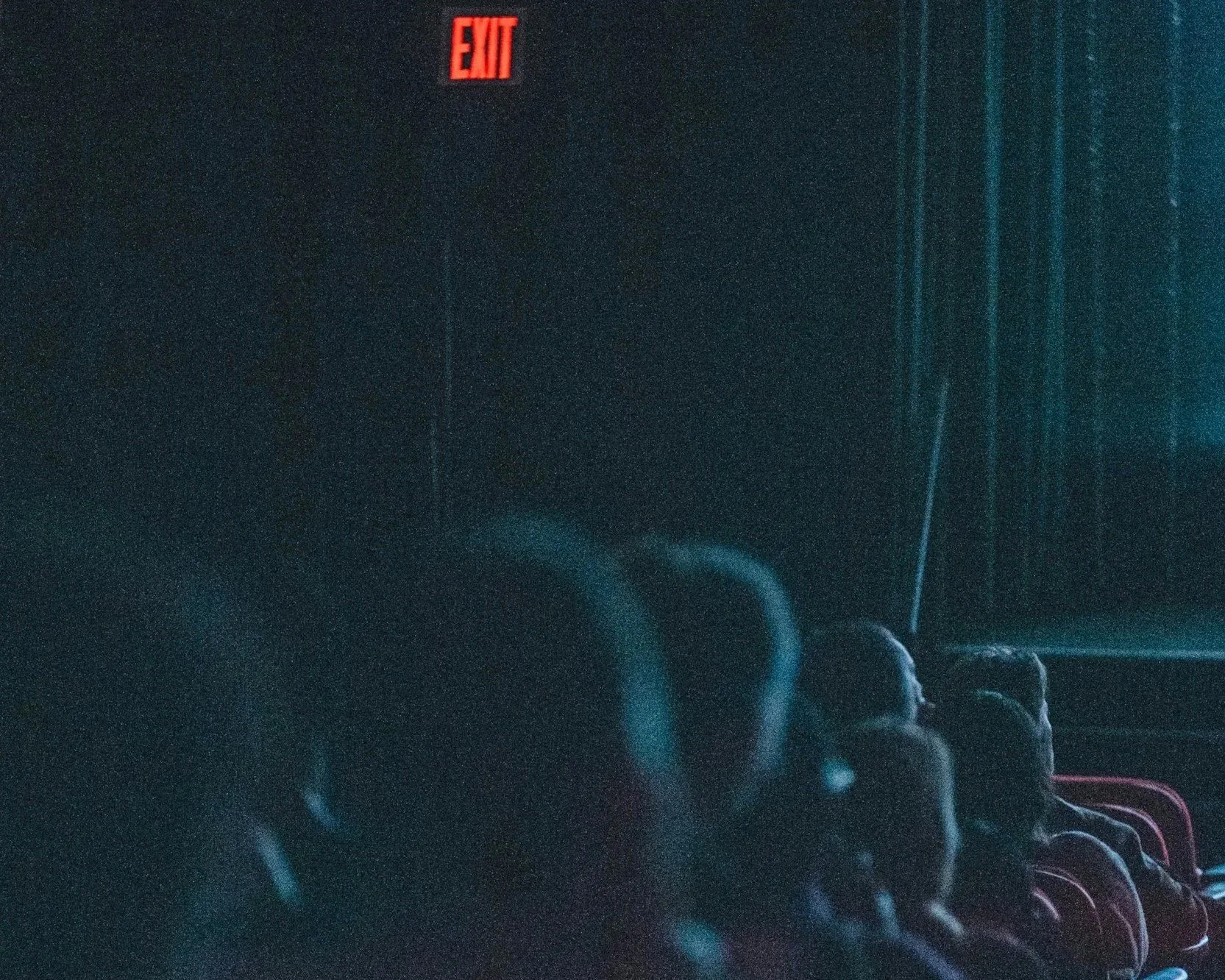
Film has never been just about storytelling. At its core, cinema is an emotional system one designed to guide reaction, shape perception, and control psychological rhythm in ways audiences often do not consciously recognize while watching.
Every frame, sound cue, camera movement, and editing decision is capable of influencing emotional response. A film does not simply present information for viewers to interpret on their own; it actively directs how that information is experienced. Long before an audience processes a scene intellectually, the film has already begun affecting them emotionally through pacing, sound, visual tension, and performance.
This is what makes cinema uniquely powerful compared to many other art forms. Movies unfold in real time, which allows filmmakers to regulate emotional experience second by second. The viewer is not only observing a story they are moving through a carefully engineered emotional environment.
The question is no longer whether films influence emotion. The real question is how deeply that influence extends into perception, memory, and psychological response.
Why Certain Movie Scenes Feel Emotionally Addictive
Some movie scenes stay with audiences for years, even when the surrounding plot begins to fade. This is rarely accidental. Emotional memory tends to attach itself to moments of heightened psychological stimulation, and filmmakers understand this intuitively.
Research in neuroscience and cognitive psychology has shown that emotionally intense experiences are more likely to be encoded into long-term memory. Film takes advantage of this by creating emotional peaks through rhythm, contrast, and sensory coordination. A sudden silence before impact, a delayed reaction shot, or the swell of music before a reveal can all trigger anticipation and emotional release.
This creates what psychologists often refer to as tension-resolution cycles. The audience experiences suspense, discomfort, anxiety, or anticipation, followed by emotional payoff. These cycles activate reward pathways in the brain, which is part of why certain scenes become endlessly rewatchable even after viewers already know the outcome.
In many ways, the audience is responding less to narrative surprise and more to emotional pattern recognition. The brain remembers the feeling attached to the sequence and seeks to experience that emotional rhythm again.
This is why some scenes become culturally iconic regardless of the larger film surrounding them. The emotional architecture is so precise that the scene functions almost independently from the broader narrative.
The Invisible Engineering of Emotion
One of the most fascinating aspects of cinema is how invisible its emotional construction often feels.
Editing, in particular, is one of the strongest psychological tools in filmmaking. The arrangement of shots determines not only what audiences see, but how they emotionally interpret what they see. Soviet filmmaker Lev Kuleshov famously demonstrated that viewers project different emotions onto the same facial expression depending on the images placed before or after it. This became known as the Kuleshov Effect, proving that meaning in cinema is often created through juxtaposition rather than isolated imagery.
Modern filmmaking continues to rely heavily on this principle. A lingering close-up can create intimacy or discomfort depending on pacing. Rapid cuts increase adrenaline and urgency. Delayed cuts build anticipation. Even the length of a pause between lines of dialogue can alter emotional interpretation.
Sound design operates similarly beneath conscious awareness. Research into auditory psychology suggests that low-frequency sounds can increase anxiety and tension even when viewers are not actively aware of hearing them. Horror films frequently use these frequencies to create unease before anything visually frightening occurs.
Music functions as one of cinema’s most direct emotional mechanisms. Studies on film scoring have shown that audiences interpret identical scenes differently depending on the soundtrack accompanying them. A hopeful score can make ambiguity feel uplifting, while darker orchestration can make the same scene feel threatening.
These techniques are so effective because they bypass rational analysis and communicate directly through sensory association.
WANT MORE FILM AND ENTERTAINMENT BREAKDOWNS? READ MY LATEST ANALYSIS HERE
Why Viral Movie Moments Spread So Easily
In the digital era, emotional manipulation in film no longer ends when the credits roll. Certain scenes escape the boundaries of the movie itself and become cultural fragments shared across social media platforms.
What makes these scenes viral is rarely plot complexity. Instead, it is emotional compression. Viral film moments often condense intense feeling into a short, repeatable sequence that functions effectively even outside narrative context.
Research into digital engagement consistently shows that emotionally charged content performs better online than emotionally neutral material. Strong reactions, shock, nostalgia, sadness, inspiration, and tension tend to increase sharing behavior and audience retention.
This is why scenes with sharp emotional pivots often dominate platforms like TikTok, YouTube Shorts, and X. A sudden breakdown, a devastating line delivery, a dramatic silence, or an explosive reveal can all operate independently as emotionally self-contained experiences.
Algorithms amplify this further. Platforms prioritize content that generates engagement quickly, and emotional intensity is one of the fastest ways to capture attention. As a result, cinema is increasingly consumed not only as full narratives, but as isolated emotional moments optimized for repetition and circulation.
In many cases, audiences encounter emotionally powerful scenes online long before they ever watch the full film itself.
The Illusion of Emotional Authenticity
One of cinema’s greatest strengths lies in its ability to make constructed emotion feel spontaneous.
When a scene feels raw or emotionally authentic, audiences often stop analyzing the mechanics behind it. But what appears natural on screen is usually the result of extensive coordination between performance, cinematography, lighting, editing, sound, and pacing.
This illusion of authenticity is psychologically important because it lowers viewer resistance. Once audiences emotionally surrender to a scene, they become less aware of the techniques guiding their response.
Film theorists often describe this as emotional immersion, the point at which viewers stop observing the film externally and begin experiencing it internally. The audience temporarily accepts the emotional reality of the narrative as if it were unfolding naturally rather than being orchestrated.
This is not manipulation in a purely negative sense. Emotional construction is fundamental to storytelling itself. However, recognizing how intentionally these responses are designed reveals just how psychologically sophisticated filmmaking truly is.
Emotional Rhythm as Cinematic Architecture
The most effective films do not simply tell stories; they regulate emotional rhythm with remarkable precision.
Great filmmakers understand pacing not only as narrative structure, but as emotional timing. They know when to overwhelm the audience and when to create silence. When to increase tension and when to allow emotional recovery.
This mirrors the way humans process emotion in real life. Emotional experiences are rarely constant; they move in waves of escalation and release. Cinema replicates this rhythm artificially, which is part of why films can feel emotionally immersive despite audiences knowing they are fictional.
Some directors are especially known for this type of emotional architecture. Psychological thrillers often manipulate uncertainty and anticipation, while dramas may use restraint and delayed emotional payoff to create intimacy. Horror films frequently rely on interruption and anticipation cycles that activate physiological stress responses in viewers.
Even blockbuster filmmaking increasingly depends on emotional pacing rather than spectacle alone. Large-scale visuals may attract audiences initially, but emotional rhythm is what keeps viewers psychologically engaged throughout the runtime.

JOIN THE COMMUNITY
Stay ahead in entertainment and media trends. Subscribe for weekly insights on TV, streaming, social media, and storytelling—plus commentary and trending breakdowns delivered straight to your inbox.
Why Emotional Manipulation Is Central to Cinema
The phrase “emotional manipulation” often carries negative connotations, but in film, manipulation is not necessarily deception; it is design.
Cinema is fundamentally built around controlling perspective, rhythm, and emotional emphasis. Every artistic decision influences audience interpretation in some way. What separates effective filmmaking from ineffective filmmaking is often how seamlessly that emotional guidance is executed.
Understanding these mechanisms does not weaken the viewing experience. If anything, it deepens appreciation for the craft involved. It reveals that filmmaking is not just visual storytelling, but psychological orchestration.
The audience may enter a theater expecting narrative, but what they are truly experiencing is emotional engineering.
Inside the Emotional Architecture of Film
Cinema remains one of the most emotionally precise art forms ever created because it operates simultaneously on sensory, psychological, and emotional levels.
Films do not simply show stories unfolding. They shape how those stories are felt in real time through editing, sound, pacing, visual language, and performance. They guide tension, release, fear, empathy, anticipation, and catharsis with extraordinary intentionality.
And perhaps that is what makes movies so powerful. The goal has never been just to watch a story happen from a distance. The goal is to feel emotionally pulled inside it to experience carefully constructed emotion so convincingly that, for a moment, it no longer feels constructed at all.
STAY IN THE CONVERSATION BEYOND THE SCREEN
If film is capable of shaping emotion this precisely, then understanding how cinema works becomes just as important as consuming it. From audience psychology to cultural storytelling patterns, the entertainment industry is constantly influencing how we feel, react, and interpret the world around us, often without us even noticing.
For more deep dives into film, media psychology, storytelling, and entertainment culture, subscribe to the AIL newsletter and stay connected to weekly analysis exploring the evolving relationship between audiences and modern media.
If this post resonated with you, share it with other film lovers, creators, and storytellers who are fascinated by the psychology behind cinema and emotional storytelling.
And if you haven’t already, be sure to read the previous post, Recession-Era Entertainment: Why Stories Change During Economic Uncertainty, where we explore how economic pressure reshapes film and television narratives, audience preferences, and the emotional tone of modern entertainment.
DISCLAIMER FOR ART IMITATING LIFE
While we strive to provide accurate and helpful content on this site, Art Imitating Life makes no warranties or guarantees regarding the accuracy, completeness, or reliability of any information, advice, or opinions shared here. Use of the content on this website is at your own risk, and to the fullest extent permitted by law, Art Imitating Life is not liable for any losses, damages, or other consequences resulting from its use. By accessing and using this website, you acknowledge and accept this disclaimer and agree to its terms.
Our website may contain links to external websites for your convenience. These external sites are not controlled, sponsored, or endorsed by Art Imitating Life. We do not assume any responsibility for the content, availability, or practices of these third-party sites and disclaim liability for any loss or damage arising from your use of them.
