THE RISE OF THE CREATIVE WORKSPACE
*Affiliate Disclosure: This article contains affiliate links. If you purchase a product through a link in this article, AIL may earn a commission at no additional cost to you. Our editorial coverage and opinions are not influenced by affiliate partnerships.
The traditional workplace was built around a simple idea: you go somewhere to work.
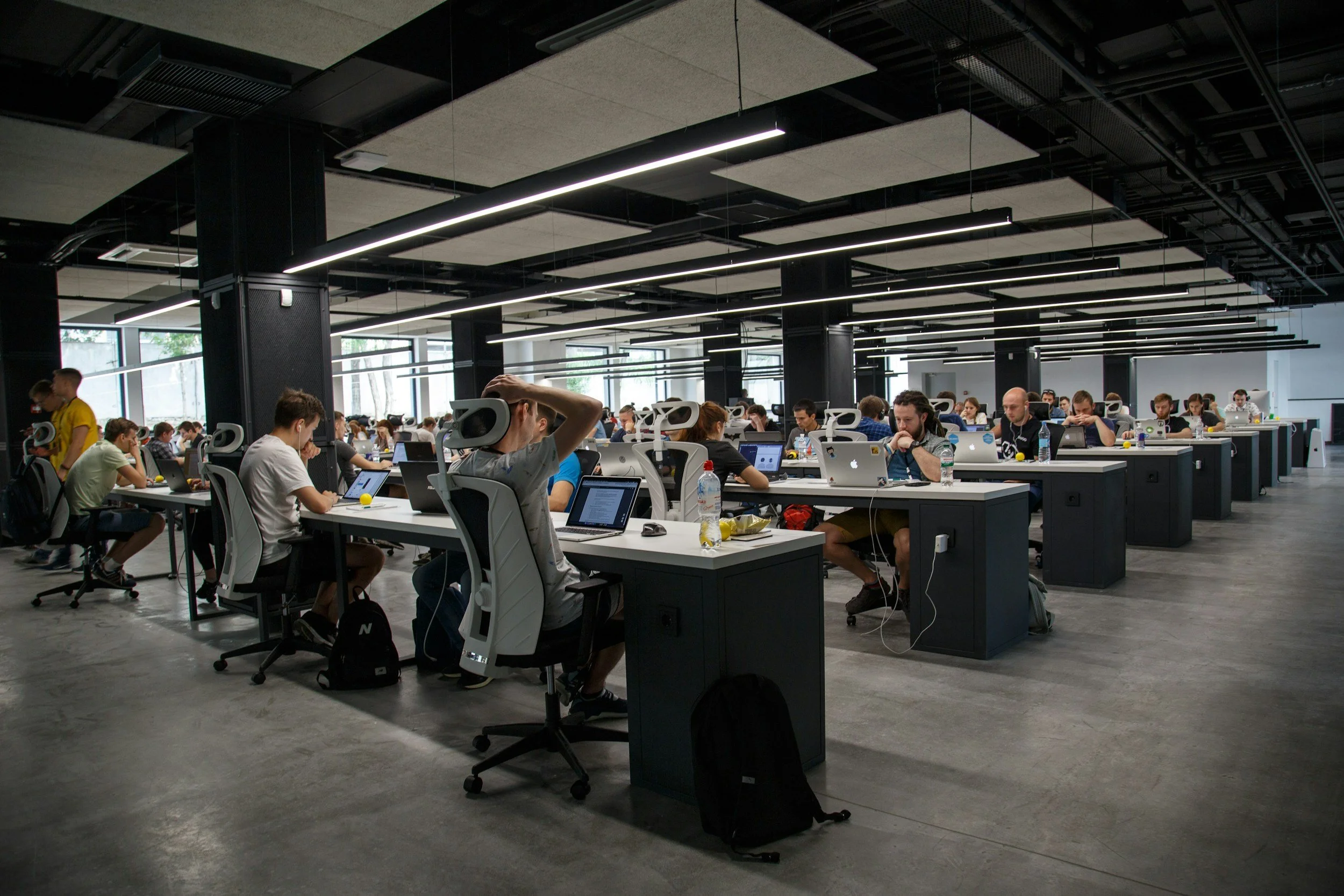
For many creative professionals, that idea has become increasingly difficult to define. A writer can spend the morning working from home, move to a coffee shop in the afternoon, take a production meeting from a coworking space, and finish the evening editing from a hotel room. A filmmaker can be on set one day and reviewing footage remotely the next, while a freelancer might work with clients in multiple cities without ever sharing the same physical office.
Creative work has become more mobile, but that doesn't mean the office has disappeared. Instead, the definition of a workplace has expanded. For creatives, the question is increasingly less about where work happens and more about what makes a particular environment useful for the work being done.
Why Environment Matters to Creative Work
Creative work requires different kinds of attention, which means the same environment won't necessarily serve every task equally well. Writing may require isolation and sustained concentration, while brainstorming can benefit from a change of scenery. Editing demands patience and focus, whereas meetings require reliable communication without necessarily requiring a traditional conference room.
The environment surrounding each task can therefore influence how easily someone settles into it. A home office can provide control and familiarity, but it can also blur the boundary between work and personal life. A coffee shop can offer background activity and a sense of separation from home, while a library can provide quiet and a coworking space can create structure without requiring a permanent office.
There isn't one universally perfect creative environment. The useful environment is the one that supports the work being done that day, whether that means finding somewhere quiet to write, a reliable connection for a meeting, or enough space to review a project.
Once the location becomes flexible, however, another question emerges: how much of that workspace can you actually take with you?
The Rise of the Portable Workspace
Technology has made the answer increasingly simple. The modern creative toolkit can fit into a backpack, with a laptop handling writing, editing, design, research, communication, and project management while cloud storage allows files to move between locations. Wireless headphones can create a more personal listening environment, and tablets can carry scripts, notes, storyboards, and reference material.
Professional equipment hasn't become unnecessary. Instead, technology has allowed more stages of the creative process to travel with the person doing the work.
For an independent filmmaker, writer, designer, photographer, or freelancer, that flexibility can be particularly useful. There may not be a dedicated production office waiting at the next location, so the workspace has to be assembled around the project. What matters is having enough of the necessary tools, technology, and resources available to keep the work moving.
That mobility changes more than the physical setup, though. It can also change the routine surrounding the work.
Working From Somewhere Other Than Home
Working from home offers convenience, but convenience can make it difficult to distinguish professional time from personal time. When the desk is only a few steps from the bed, the workday can easily expand into the evening, and a project can remain mentally present long after the computer closes.
Changing locations can create a useful psychological boundary. Going somewhere specifically to write, edit, research, or plan can make the activity feel more intentional, even when the destination is only a few minutes away. For some people, that might mean a favorite café; for others, it could be a library, coworking space, studio, or another room at home.
Over time, those locations can become associated with particular kinds of work. A certain café might become the place for writing, a coworking space might be reserved for meetings, or a quiet room might become an editing environment. The location becomes part of the routine, which is why small comforts can become surprisingly important when that routine has to move.
WANT MORE FILM AND ENTERTAINMENT BREAKDOWNS? READ MY LATEST ANALYSIS HERE
Coffee for the On-the-Go Creative
Coffee isn't responsible for good ideas, but the ritual surrounding it can become part of a person's working routine. Stopping at a café can mark the beginning of a writing session, while making coffee before opening an editing project can create a familiar transition into work.
That ritual becomes more complicated when the workspace changes constantly. A long travel day, production schedule, or afternoon away from home can interrupt the routine built around your usual workspace, particularly when access to a kitchen or favorite café isn't guaranteed.
That's where portability can extend beyond the computer itself. OutIn's portable coffee products, including the Nano 2 and Fino, are designed for people who want to make coffee away from a traditional kitchen setup. For a creative working from different locations, a portable coffee setup can provide one small piece of familiarity when the rest of the workspace keeps changing.
For creatives interested in taking their coffee routine on the go, OutIn is currently offering the Nano 2 + Fino combination with code OIAFF5.
Disclosure: This post contains an affiliate link. If you purchase OutIn products through a link in this article, AIL may earn a commission at no additional cost to you. Affiliate partnerships help support Art Imitating Life and allow us to continue creating film, television, and creative-industry content.
Coffee is only one example of how personal routines can travel with a flexible workspace. The larger question is what else a temporary location needs in order to become functional enough for creative work.
What Makes a Good Creative Workspace?
A productive creative workspace doesn't need to look like a professionally designed office. It needs to meet the requirements of the work. Reliable technology is essential for most digital creatives. A computer, internet connection, power source, and access to files can determine whether a temporary location is useful or frustrating.
Comfort matters because creative work often takes time. A workspace that causes physical discomfort can become a distraction during long writing, editing, or design sessions.
Accessibility is important as well. Having essential tools nearby means less time spent interrupting the workflow to find something you need, whether that's a notebook, charger, hard drive, camera accessory, or reference document.
Focus is equally dependent on the individual and the task. A beautiful workspace isn't automatically a productive one. A busy café might inspire one person and completely derail another, while a quiet library might be ideal for editing but unsuitable for a video meeting.
A good mobile workspace is therefore less about recreating a perfect office wherever you go and more about understanding the conditions your particular work requires.
That flexibility can be valuable, but it also introduces challenges that are easy to overlook when the mobile creative lifestyle is presented as nothing more than a laptop, a coffee, and a change of scenery.
The Trade-off of a Flexible Workspace
Working from different locations can provide freedom, but it can also create inconsistency. Public spaces may be noisy, internet connections can fail, finding an available outlet can become an unexpected challenge, and meetings may require more privacy than a coffee shop can provide.
The larger challenge is maintaining boundaries. When a workspace can technically be anywhere, it becomes easy to treat every location as an opportunity to keep working. The flexibility that makes mobile work appealing can therefore become counterproductive if there is no distinction between being available and actually being off the clock.
A mobile approach works best when the person using it can make deliberate decisions about the environment: choosing a location that fits the task, recognizing when the conditions aren't working, and knowing when the workday needs to end.
Those decisions reflect a broader change in how creative careers themselves are structured. The ability to work from different places isn't simply a workspace preference; it can affect who creatives are able to collaborate with and how they build their careers.
JOIN THE COMMUNITY
Stay ahead of entertainment and media trends. Subscribe for weekly insights on TV, streaming, social media, and storytelling—plus commentary and trending breakdowns delivered straight to your inbox.
How Remote Work Is Changing Creative Careers
The mobile workplace reflects a larger shift in the creative economy. Independent professionals can build careers without maintaining traditional offices, filmmakers can collaborate with editors and post-production teams in different locations, writers can develop projects with people they may never meet in person, and freelancers can work with clients far beyond their immediate geographic area.
For creative professionals, geography doesn't always determine who they can work with anymore. That can expand opportunities, but it also puts more responsibility on the individual. Without a traditional workplace providing structure, creatives may need to manage their own communication, organization, equipment, scheduling, file systems, and boundaries.
Remote work has therefore changed the role of the workplace itself. Instead of functioning primarily as a fixed destination, it can become a combination of tools, routines, locations, and systems that allow someone to keep working wherever their career takes them.
The Workplace Can Move With You
The creative workplace isn't disappearing; it's becoming more flexible. For some creatives, the ideal environment will still be a dedicated studio or office. For others, productive work might happen at home one day, in a café the next, and somewhere completely different after that.
What matters is whether the environment supports the work. As creative careers become increasingly mobile, knowing how to adapt a workspace to the task can be just as valuable as the equipment inside it. A laptop, headphones, notebook, camera, or portable coffee setup can all become pieces of a working routine that doesn't depend on one permanent location.
The modern creative workplace doesn't have to be a single place. It can be a combination of the environments, tools, and routines that allow creative work to happen wherever the next project leads.
Enjoyed This Article?
Subscribe to the AIL newsletter for more film and television analysis, creative-industry commentary, culture, recommendations, and thoughtful stories about the people, ideas, and forces shaping what we watch and how we create. Get new AIL articles delivered straight to your inbox, along with perspectives on the evolving world of entertainment and the creative industries behind it.
DISCLAIMER FOR ART IMITATING LIFE
While we strive to provide accurate and helpful content on this site, Art Imitating Life makes no warranties or guarantees regarding the accuracy, completeness, or reliability of any information, advice, or opinions shared here. Use of the content on this website is at your own risk, and to the fullest extent permitted by law, Art Imitating Life is not liable for any losses, damages, or other consequences resulting from its use. By accessing and using this website, you acknowledge and accept this disclaimer and agree to its terms.
Our website may contain links to external websites for your convenience. These external sites are not controlled, sponsored, or endorsed by Art Imitating Life. We do not assume any responsibility for the content, availability, or practices of these third-party sites and disclaim liability for any loss or damage arising from your use of them.
