Remembering An Icon: Robert Duvall
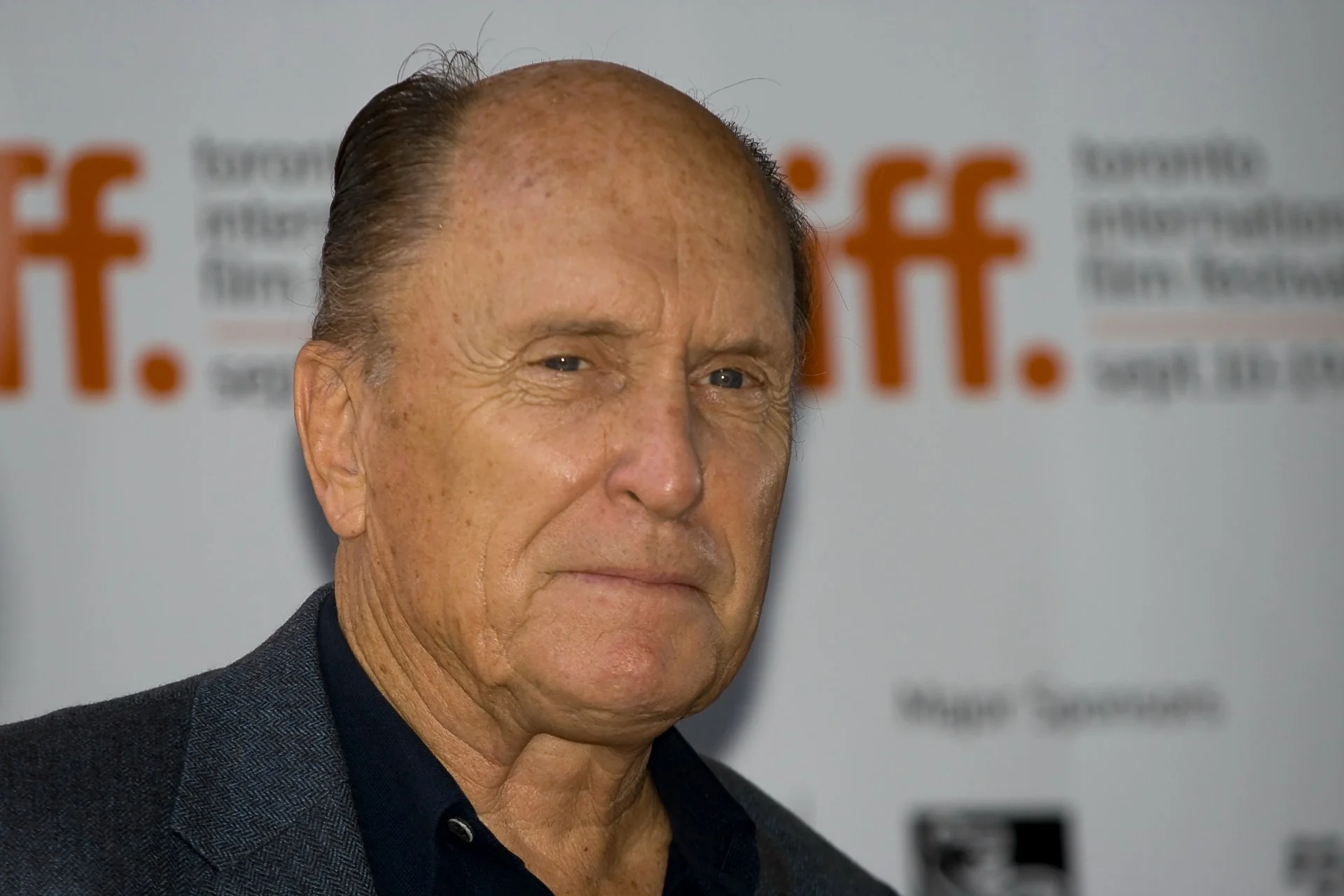
Courtesy of Josh Jensen from Toronto, Ontario, Canada - Robert Duvall, CC BY-SA 2.0
Few actors in the history of cinema have mastered the art of restraint, realism, and emotional truth quite like Robert Duvall. With a career spanning more than six decades, Duvall became one of the most respected and quietly influential performers Hollywood has ever produced.
His passing marks the loss of not just an actor, but a storyteller, one whose work shaped some of the most iconic films of American cinema.
A Career Built on Depth, Not Volume
In an industry often driven by spectacle and star power, Robert Duvall built his legacy through nuance. His performances were never about dominance or theatricality. Instead, they were rooted in authenticity, emotional precision, and psychological depth.
From his haunting portrayal of Tom Hagen in The Godfather to the haunting solitude of Tender Mercies, Duvall consistently delivered performances that felt lived-in rather than performed.
His characters were human. Flawed. Complex. Often restrained, and that restraint is exactly what made them unforgettable.
WANT MORE FILM AND ENTERTAINMENT BREAKDOWNS? READ MY LATEST ANALYSIS HERE
The Actor’s Actor
Among filmmakers and actors alike, Duvall was known as “the actor’s actor,” a performer whose technique, discipline, and commitment to craft set a standard for cinematic realism.
He understood that sometimes the most powerful moment isn’t found in dialogue, but in silence. In stillness. At a glance. In what remains unsaid.
That mastery allowed him to move seamlessly between genres: crime dramas, war films, Westerns, romantic dramas, and psychological character studies, all while maintaining a consistent emotional truth.
Storytelling Over Stardom
Duvall never chased celebrity. He chased the story.
That dedication to narrative integrity made him a magnet for directors who valued character-driven storytelling. His work elevated every project he touched, grounding even the most epic narratives in emotional realism.
Whether he was portraying a consigliere, a weathered cowboy, or a broken country singer, his performances always felt deeply human, never theatrical, never forced.
One of Duvall’s most quietly powerful performances came later in his career in The Judge. His portrayal of a hardened, emotionally guarded father confronting mortality, regret, and unresolved family trauma was devastating in its restraint. The role stripped away bravado and left only vulnerability as a reminder of his unmatched ability to communicate volumes through silence, subtle expression, and emotional precision. It was a performance that lingered long after the credits rolled, showcasing not only his technical mastery but his deep understanding of human fragility.
JOIN THE COMMUNITY
Stay ahead in entertainment and media trends! Subscribe to our newsletter for weekly insights on TV series, streaming updates, social media influence, and modern storytelling. Get expert commentary, trending content breakdowns, and tips delivered straight to your inbox.
A Lasting Legacy
Robert Duvall’s impact on cinema extends far beyond his awards and accolades. His work continues to influence generations of actors, filmmakers, and storytellers who study his performances as masterclasses in subtlety and emotional discipline.
In an era increasingly driven by spectacle and algorithmic storytelling, his filmography remains a reminder that truthful performance is timeless.
His legacy lives not only in the films he left behind but in the storytelling standards he set.
Robert Duvall didn’t just act, he inhabited.
And through that, he gave audiences something increasingly rare: authenticity, vulnerability, and emotional truth.
He will be remembered not for how loudly he performed, but for how deeply he made us feel.
READY TO DIVE DEEPER INTO THE FUTURE OF STREAMING?
What’s your favorite Robert Duvall performance, and which of his roles left the biggest impression on you? Share your thoughts in the comments below. We’d love to hear how his work shaped your experience of film.
If you’re passionate about cinema, storytelling, and industry insight, explore our Genre in Focus series for deep dives into film trends and evolving genres, and check out our Black Films as the Underdogs of the Film Industry post, where we examine overlooked voices, representation, and cultural impact. Stay tuned for more coverage, analysis, and award season insights. There’s always more to uncover.
DISCLAIMER FOR ART IMITATING LIFE
While we strive to provide accurate and helpful content on this site, Art Imitating Life makes no warranties or guarantees regarding the accuracy, completeness, or reliability of any information, advice, or opinions shared here. Use of the content on this website is at your own risk, and to the fullest extent permitted by law, Art Imitating Life is not liable for any losses, damages, or other consequences resulting from its use. By accessing and using this website, you acknowledge and accept this disclaimer and agree to its terms.
Our website may contain links to external websites for your convenience. These external sites are not controlled, sponsored, or endorsed by Art Imitating Life. We do not assume any responsibility for the content, availability, or practices of these third-party sites and disclaim liability for any loss or damage arising from your use of them.
