Genre in Focus: Why Westerns Are Making a Major Comeback in Film & TV
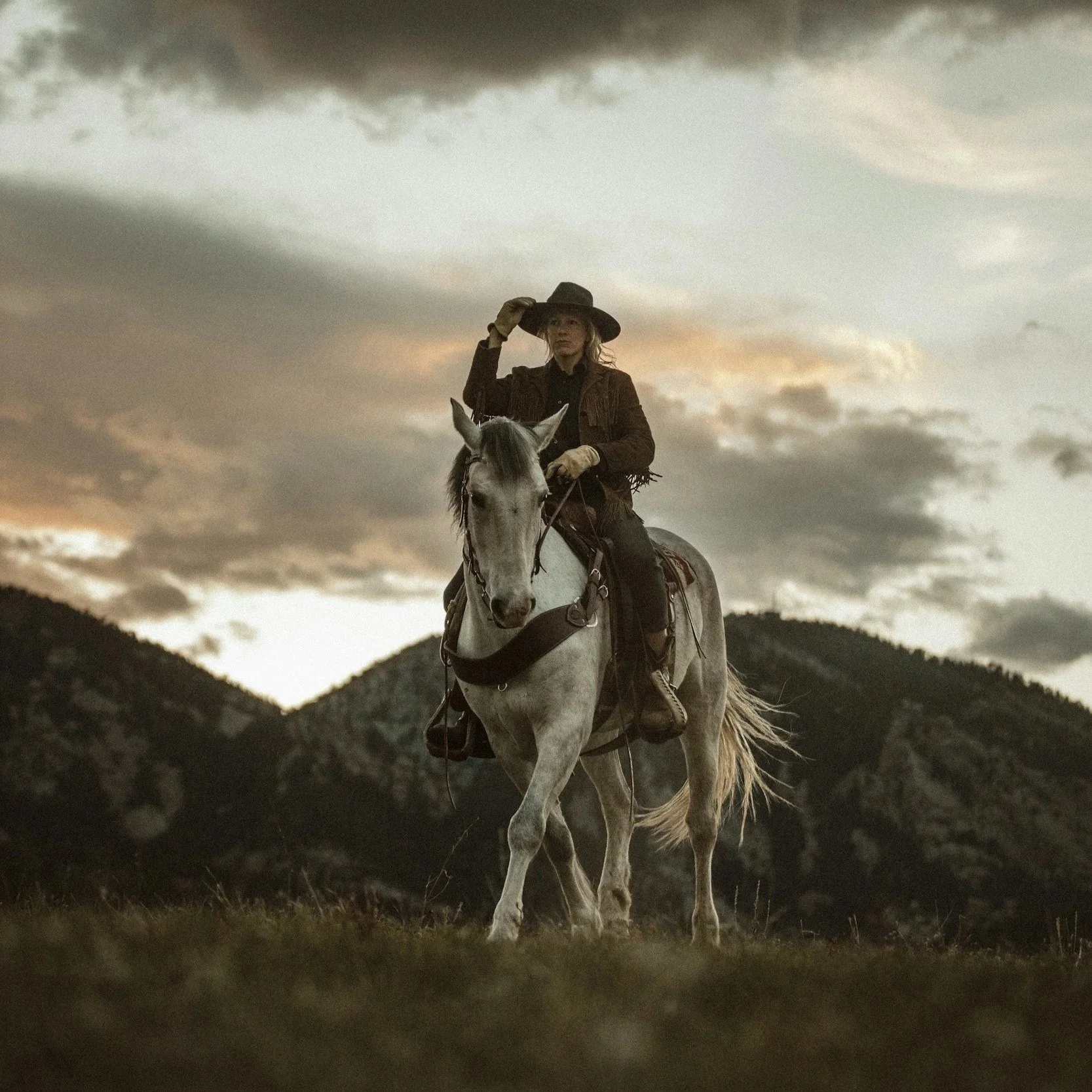
Westerns have long been a cornerstone of cinematic storytelling. From sweeping desert landscapes to stories of justice, survival, and moral reckoning, the genre helped shape how filmmakers approach narrative structure, character development, and visual language.
In this latest edition of Genre in Focus, we’re exploring Westerns, what makes them iconic, why their mythology continues to resonate, and how modern storytellers are reinventing the genre for contemporary audiences.
Though once considered a fading relic of Hollywood’s golden age, Westerns are experiencing a powerful resurgence, not only in traditional form but through modern hybrids, neo-Westerns, and genre-blending reinventions.
The Core Storytelling DNA of Westerns
At their core, Westerns are less about cowboys and more about humanity under pressure. The genre strips characters down to their moral foundations and places them in environments where survival, justice, and identity collide.
The landscape itself becomes an active storytelling force. Vast deserts, endless plains, and remote frontier towns symbolize freedom, danger, isolation, and opportunity all at once. These expansive environments heighten emotional stakes, reinforcing vulnerability and self-reliance.
Western protagonists often exist on the margins of society. These outsider figures navigate a fragile balance between order and chaos, law and lawlessness, duty and self-preservation. Their journeys frequently center on ethical dilemmas rather than clear-cut heroism, creating emotionally complex character arcs.
Conflict drives Western narratives forward, but it is rarely just physical. Psychological tension, moral ambiguity, and emotional isolation shape character choices long before any confrontation occurs. When violence erupts, it carries weight, consequence, and narrative purpose.
Together, these elements form a cinematic language that audiences instinctively understand, even as the genre continues to evolve.
WANT MORE FILM AND ENTERTAINMENT BREAKDOWNS? READ MY LATEST ANALYSIS HERE
Classic vs. Modern Westerns: The Evolution of a Genre
Classic Westerns from the 1930s through the 1960s established the genre’s foundational mythology. These films often presented heroic protagonists, clearly defined moral boundaries, and romanticized visions of frontier life. Stories centered on courage, justice, and rugged individualism, reinforcing cultural ideals tied to American expansion and identity.
Films such as Stagecoach, High Noon, and The Searchers cemented Western imagery and narrative conventions that shaped generations of filmmakers. Their sweeping compositions, deliberate pacing, and strong thematic clarity remain influential even today.
Modern Westerns, however, challenge these ideals. Beginning in the 1970s, filmmakers began subverting traditional tropes, introducing morally complex characters, grittier realism, and emotionally layered storytelling. The genre shifted from myth-making toward introspection.
Films like Unforgiven, No Country for Old Men, and The Power of the Dog deconstruct Western mythology, exposing the psychological costs of violence, ambition, and isolation. Heroes become flawed, justice becomes ambiguous, and survival often comes at devastating emotional expense.
This evolution allows Westerns to reflect modern anxieties, shifting moral frameworks, and deeper character-driven storytelling.
Why We’re Seeing So Many Westerns Again
The modern resurgence of Westerns reflects a cultural longing for grounded narratives and emotional authenticity. In an era dominated by franchises, digital spectacle, and rapid content cycles, Westerns offer deliberate pacing, atmospheric storytelling, and psychological depth.
Jordan Peele’s Nope provides one of the most striking modern reinterpretations. By blending Western iconography with science fiction and horror, the film transforms open desert landscapes into sites of terror, spectacle, and cultural critique. The Western backdrop amplifies themes of spectacle, exploitation, and survival, proving that frontier storytelling can thrive inside unexpected genres.
Television has also driven this resurgence. The Yellowstone franchise and its expanding universe have reintroduced Western narratives to mainstream audiences through contemporary family drama, political tension, and land-based conflict. By reframing frontier struggles within modern economic and generational contexts, the series demonstrates how Western mythology adapts to present-day anxieties surrounding power, legacy, and identity.
Together, these stories reveal why Westerns resonate today. They explore isolation in a hyperconnected world, moral ambiguity in polarized societies, and survival amid economic uncertainty. Westerns offer a framework for examining human resilience, ambition, and ethical compromise in times of cultural transformation.

JOIN THE COMMUNITY
Stay ahead in entertainment and media trends! Subscribe to our newsletter for weekly insights on TV series, streaming updates, social media influence, and modern storytelling. Get expert commentary, trending content breakdowns, and tips delivered straight to your inbox.
Why Westerns Still Matter
Despite dramatic shifts in cinematic trends, Westerns endure because they tap into universal storytelling archetypes. They confront foundational human questions about justice, identity, belonging, and morality.
Their reliance on practical environments and natural landscapes creates cinematic authenticity that modern CGI often struggles to replicate. The physicality of Western storytelling grounds emotional experiences, making character struggles feel tangible and immediate.
Westerns also excel at slow-burn tension, deliberate pacing, and visual symbolism, offering storytelling techniques that transcend genre and era. These qualities ensure their continued relevance in a rapidly evolving entertainment landscape.
What Storytellers Can Learn from Westerns
For filmmakers and creatives, Westerns offer a masterclass in narrative discipline. Their emphasis on the environment demonstrates how setting can function as an active storytelling force. Their character-driven conflicts show the power of moral complexity in shaping emotional engagement.
Western pacing teaches patience, restraint, and tension-building, allowing stories to unfold organically rather than relying on spectacle alone. Most importantly, Westerns illustrate genre flexibility, proving that timeless storytelling frameworks can be adapted across sci-fi, horror, crime, drama, and beyond.
Westerns endure not because of nostalgia, but because of their storytelling power. They provide a cinematic blueprint for exploring humanity under extreme conditions, confronting moral ambiguity, and navigating societal transformation.
As filmmakers continue to reinterpret the genre, Westerns remain one of cinema’s most adaptable and emotionally resonant storytelling forms, proving that the frontier of narrative innovation is always expanding.
READY TO DIVE DEEPER INTO THE FUTURE OF STREAMING?
Which Westerns do you love most: the sweeping classics, gritty modern takes, or TV series like Yellowstone? Share your favorite moments, heroes, or antiheroes in the comments below. We’d love to hear your thoughts!
If you haven’t yet, explore our Genre in Focus series for more deep dives into film storytelling and trends, and check out our Black Films as the Underdogs post to see how overlooked stories and creators are reshaping the industry.
DISCLAIMER FOR ART IMITATING LIFE
While we strive to provide accurate and helpful content on this site, Art Imitating Life makes no warranties or guarantees regarding the accuracy, completeness, or reliability of any information, advice, or opinions shared here. Use of the content on this website is at your own risk, and to the fullest extent permitted by law, Art Imitating Life is not liable for any losses, damages, or other consequences resulting from its use. By accessing and using this website, you acknowledge and accept this disclaimer and agree to its terms.
Our website may contain links to external websites for your convenience. These external sites are not controlled, sponsored, or endorsed by Art Imitating Life. We do not assume any responsibility for the content, availability, or practices of these third-party sites and disclaim liability for any loss or damage arising from your use of them.
