When Feminism Becomes Aesthetic in Film and Television
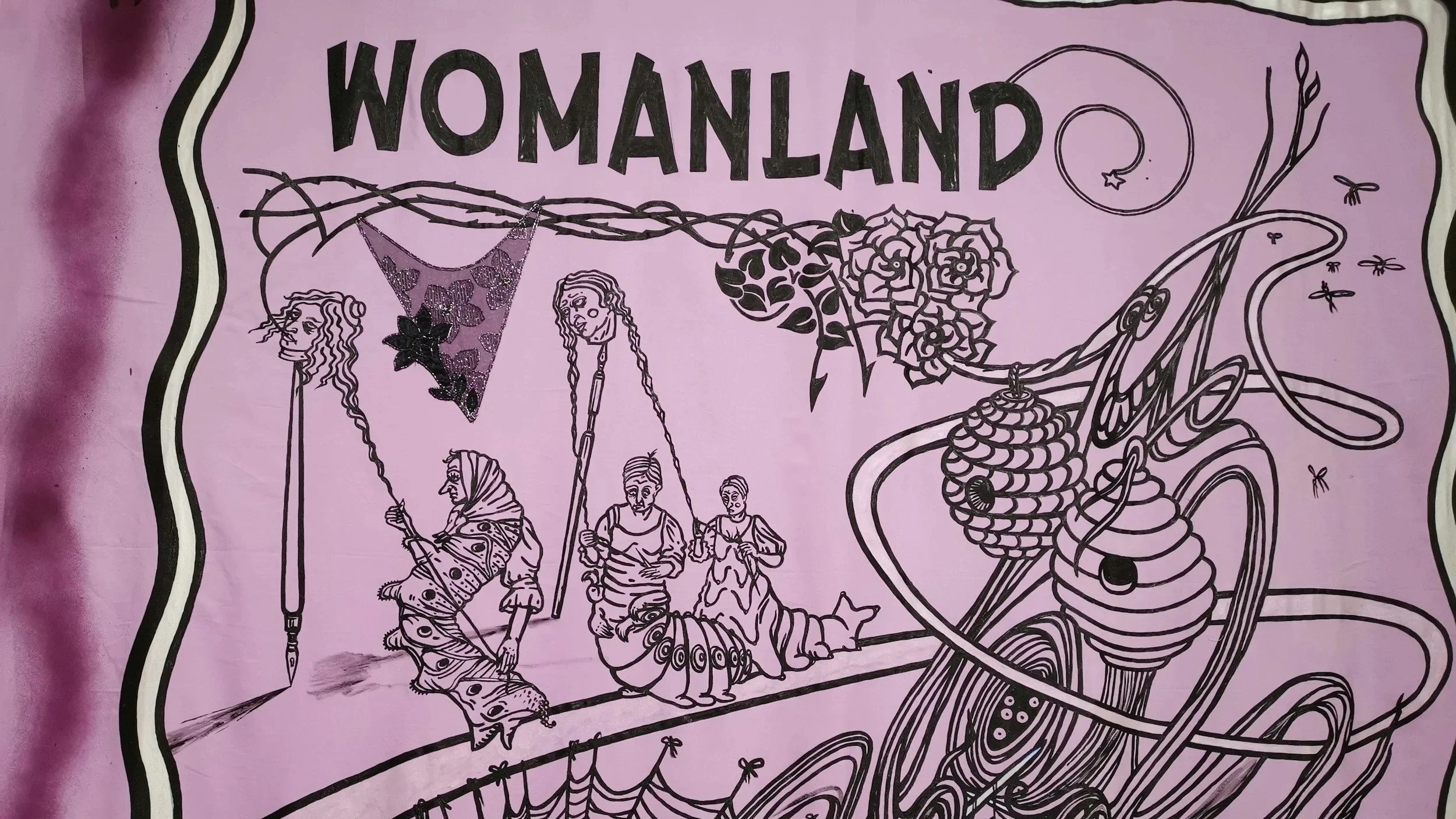
In recent years, film and television have made a visible push toward stories centered on women, empowerment, and progress. On the surface, this shift appears to signal meaningful change. But beneath the branding, a growing number of projects reveal a more complicated reality, one where feminism functions more as a visual and marketing language than a narrative commitment.
What emerges is a version of feminism built for optics. It prioritizes presentation over substance, signaling progress through familiar imagery and dialogue while avoiding deeper engagement with power, agency, or consequence. These stories often look empowering in trailers and promotional materials, yet feel strangely hollow once examined within the narrative itself.
This isn’t feminism as lived experience or ideological challenge. Its feminism reduced to an aesthetic recognizable, marketable, and ultimately non-disruptive.
The Aesthetic of Empowerment
Faux feminism often presents itself through familiar visual and narrative cues: strong female leads, polished monologues about independence, and surface-level challenges to traditional roles. These elements are easy to package and easy to sell. They signal progress without requiring deeper structural or thematic change.
However, many of these stories stop short of interrogating power, agency, or consequence. Female characters may be framed as empowered yet remain confined to narratives that ultimately reinforce the same hierarchies the film or series claims to challenge.
WANT MORE FILM AND ENTERTAINMENT BREAKDOWNS? READ MY LATEST ANALYSIS HERE
Empowerment Without Risk
True feminist storytelling is often uncomfortable. It challenges systems, questions norms, and invites complexity. Faux feminism, by contrast, is risk-averse. It avoids alienating audiences or investors by flattening its message into something broadly palatable.
As a result, characters are often written as symbols rather than people. Conflict is resolved neatly, contradictions are softened, and inequality is acknowledged without being meaningfully examined. The message becomes empowerment without inconvenience.
Why Audiences Are Noticing
Viewers are becoming increasingly media-literate. Many can now distinguish between stories that genuinely engage with feminist ideas and those that simply gesture toward them. When empowerment feels hollow or performative, audiences disengage not because they reject feminist narratives, but because they expect more from them.
This shift is reflected in online discourse, audience reception, and long-term cultural impact. Stories that rely on surface-level representation may generate initial buzz, but they rarely sustain meaningful conversation.
For many women, this disconnect feels personal. As a woman, there are films and television series marketed as empowering that simply aren’t inspiring at all. They gesture toward strength without offering substance, presenting empowerment as an aesthetic rather than an experience. Instead of feeling seen or challenged, these stories can feel hollow, more concerned with optics than with telling something honest or transformative.
This reaction isn’t about rejecting feminist storytelling. It’s about recognizing when representation exists without depth, when empowerment is declared rather than earned.
JOIN THE COMMUNITY
Stay ahead in entertainment and media trends! Subscribe to our newsletter for weekly insights on TV series, streaming updates, social media influence, and modern storytelling. Get expert commentary, trending content breakdowns, and tips delivered straight to your inbox.
What Meaningful Feminist Storytelling Requires
Substantive feminist narratives don’t rely on declarations of strength alone. They examine who holds power and why, how systems shape personal choices, the cost of resistance, and the contradictions within empowerment itself. Rather than flattening characters into symbols, these stories allow women to exist with complexity, flawed, conflicted, and deeply human.
These narratives understand that empowerment is rarely clean or convenient. Growth often comes with sacrifice, ambiguity, and unresolved tension, all of which are essential to storytelling that feels honest rather than performative.
Moving Beyond the Surface
Faux feminism is not a failure of intention, but often a failure of depth. As the industry continues to respond to audience demand for inclusive storytelling, the next step is moving beyond symbolic representation toward narratives that engage honestly with gender, power, and consequence.
The challenge for creators isn’t to prove that a story is feminist. It’s to trust audiences enough to explore complexity and to allow stories to reflect the discomfort, nuance, and reality that meaningful change requires.
READY TO DIVE DEEPER INTO THE FUTURE OF STREAMING?
This conversation doesn’t exist in isolation. Questions of representation, authorship, and narrative intent are deeply tied to how stories are shaped and which ones are ultimately rewarded. To continue the discussion, explore our breakdown of the latest Oscar nominations and revisit our post on the power of editing to see how creative choices and industry recognition intersect across film and television.
DISCLAIMER FOR ART IMITATING LIFE
While we strive to provide accurate and helpful content on this site, Art Imitating Life makes no warranties or guarantees regarding the accuracy, completeness, or reliability of any information, advice, or opinions shared here. Use of the content on this website is at your own risk, and to the fullest extent permitted by law, Art Imitating Life is not liable for any losses, damages, or other consequences resulting from its use. By accessing and using this website, you acknowledge and accept this disclaimer and agree to its terms.
Our website may contain links to external websites for your convenience. These external sites are not controlled, sponsored, or endorsed by Art Imitating Life. We do not assume any responsibility for the content, availability, or practices of these third-party sites and disclaim liability for any loss or damage arising from your use of them.
