What the Emmy Nominations Reveal About Audience Behavior
The Emmy nominations offer more than an awards prediction. They reveal what audiences, networks, and streaming platforms are prioritizing in the modern television landscape.
WHY NETFLIX SHOWS GET CANCELLED SO QUICKLY: INSIDE THE STREAMING ERA CONTENT CYCLE
Netflix shows are often cancelled after just one or two seasons, leaving audiences frustrated and confused. This post breaks down how streaming algorithms, high production costs, and global competition have transformed the measurement of success in the streaming era.

Streaming Fatigue Explained: Are We Watching Too Much TV in the Digital Age?
Streaming platforms have made entertainment more accessible than ever, but they may also be overwhelming audiences. This post explores the rise of streaming fatigue, where endless content, binge culture, and algorithm-driven recommendations are changing how viewers engage with television and film.

Supergirl and Hollywood’s Female Character Problem: Why Female Writers Matter in Film
What can the Supergirl movie teach us about Hollywood’s approach to female-led storytelling? This deep dive explores why female writers, authentic character development, and women behind the camera are essential to creating stronger female characters in film.
Representation in Hollywood: Who Gets Seen and Who Gets Left Out
Hollywood promotes diversity and inclusion across film and television, but representation is often more selective than it appears. This post examines how modern entertainment filters race, disability, and identity through market-driven narratives that shape what audiences see—and what they don’t.
From Filmmaker to Actor to Producer: How Creators Are Rewriting Hollywood’s Career Pipeline
The traditional Hollywood career path is breaking down as filmmakers, writers, and creators increasingly move between acting, producing, and writing roles. This post explores how the modern entertainment industry is reshaping creative careers and why wearing multiple hats has become essential for getting projects made.

Why Drama-Driven Content Is Hurting Social Media Creators (And Why It’s Not Sustainable)
Drama-driven content may generate fast attention on TikTok and Instagram, but it is not a sustainable strategy for long-term creator success. This post explores why controversy-based influence is collapsing, how it affects audiences, and what truly builds a lasting social media brand.
Why Hollywood Actors Are Moving to Television: The Rise of Prestige TV Dramas
Hollywood’s biggest actors are no longer limited to the big screen. This analysis explores why movie stars are moving to television, how streaming changed the industry, and why star-studded TV dramas have become the future of entertainment.

Disability Representation in Film and Television: The Problem With Hollywood’s Portrayals
Despite growing awareness, disability representation in film and television remains limited and often inaccurate. This analysis explores how Hollywood portrays disability, the impact of stereotypes, and why authentic representation still matters today.

The Ultimate Father’s Day Movie Marathon: Films to Watch With Dad This Weekend
A curated Father’s Day movie marathon featuring comedy, nostalgia, emotional dramas, and action films organized into themed rounds for the perfect weekend watch with dad.

Why Are Young Romance Films Making a Comeback? The Rise of Modern Love Stories
Young romance films have returned as one of the biggest trends in modern entertainment. From BookTok adaptations to streaming hits, the genre’s resurgence reveals how social media, changing audience habits, and the demand for emotional storytelling are reshaping film and television.

How Much Censorship Is Too Much? The Debate Shaping Modern Entertainment
Censorship in entertainment is no longer limited to government regulation or broadcast standards. Streaming platforms, social media algorithms, advertiser influence, and self-censorship are all shaping what stories get told. As modern media becomes increasingly complex, the debate is no longer about whether censorship exists—it’s about where the line should be drawn.
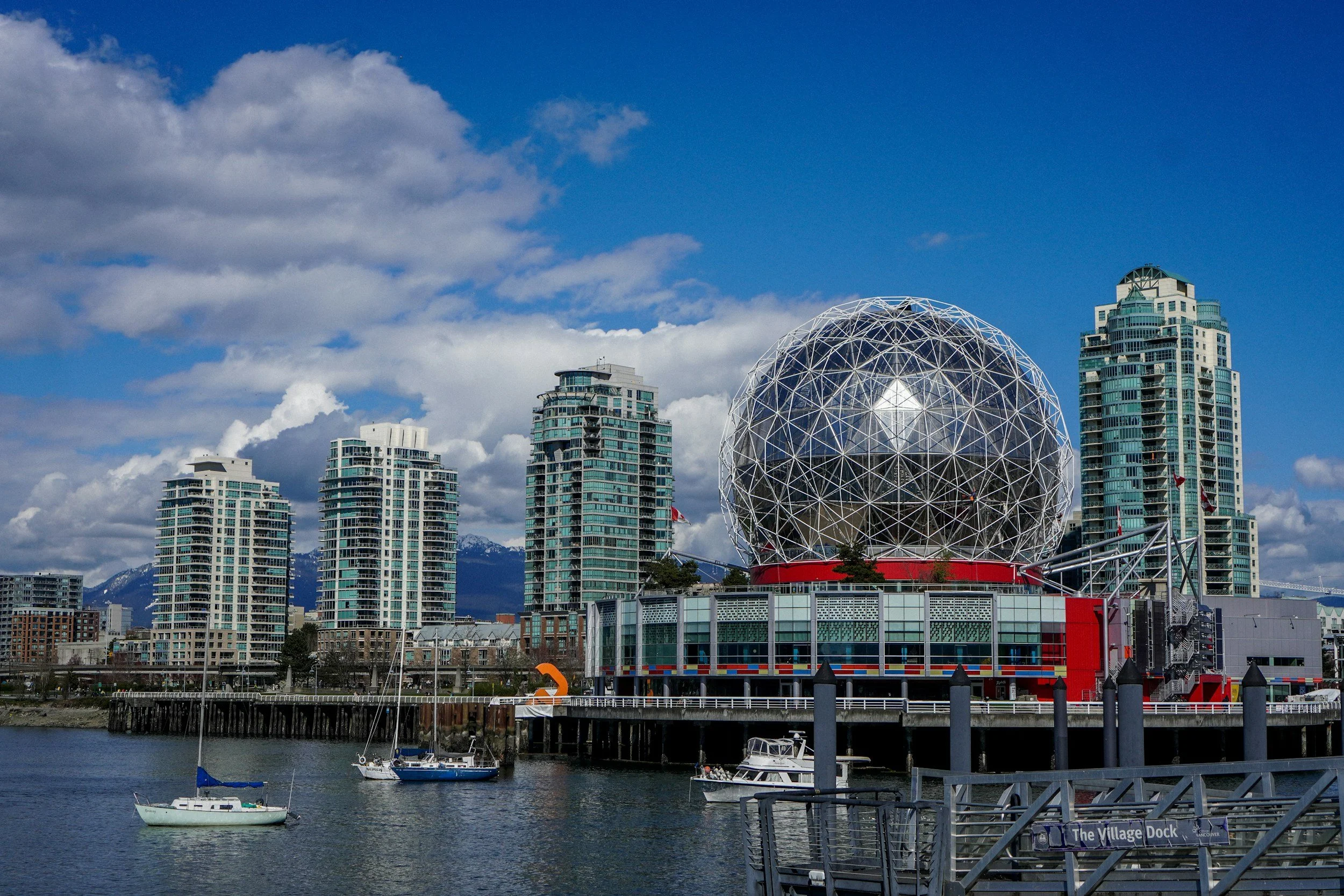
Comparative Study: Vancouver and the Globalization of Film Production
Vancouver has become one of the most important film and television production hubs outside Hollywood, shaping how modern filmmaking operates on a global scale. This comparative study explores how cost efficiency, tax incentives, and industry infrastructure have transformed Vancouver into a key center in the decentralized Hollywood production system.
Why Are So Many Movie Stars Moving to TV? The Rise of Star-Studded Television Dramas
The rise of star-studded television dramas reflects a major shift in the entertainment industry, where streaming platforms, prestige storytelling, and global audiences have made TV one of the most attractive spaces for Hollywood’s biggest actors.
Tom Hardy, MobLand, and the Growing Power of Television Fandom
Recent reports and online discussion surrounding Tom Hardy and MobLand have sparked conversation among fans and industry observers alike. While the details continue to evolve, the audience reaction reveals something larger about modern television, star power, streaming culture, and the growing connection between viewers and the performers who bring their favorite characters to life.

Creative Lifestyle Update: Moving, Studio Reset & Design Inspiration
A personal update from AIL as I step into a new creative chapter, move into a new space, and explore how environment shapes creativity, filmmaking, and everyday inspiration.
Audience Psychology & Emotional Manipulation in Film: How Movies Shape What We Feel
Cinema is more than storytelling; it is emotional engineering. From editing and sound design to pacing and performance, films are carefully constructed to shape audience psychology and emotional response in real time. This post explores how movies manipulate feeling, why certain scenes become emotionally addictive, and how viral film moments are designed to stay with us long after the credits roll.
Recession-Era Entertainment: Why Stories Change During Economic Uncertainty
Why do films and television become darker, more grounded, and emotionally restrained during periods of economic uncertainty? This post explores the rise of recession-era entertainment, how financial instability shapes storytelling, and why audiences gravitate toward narratives rooted in realism during times of collective stress.
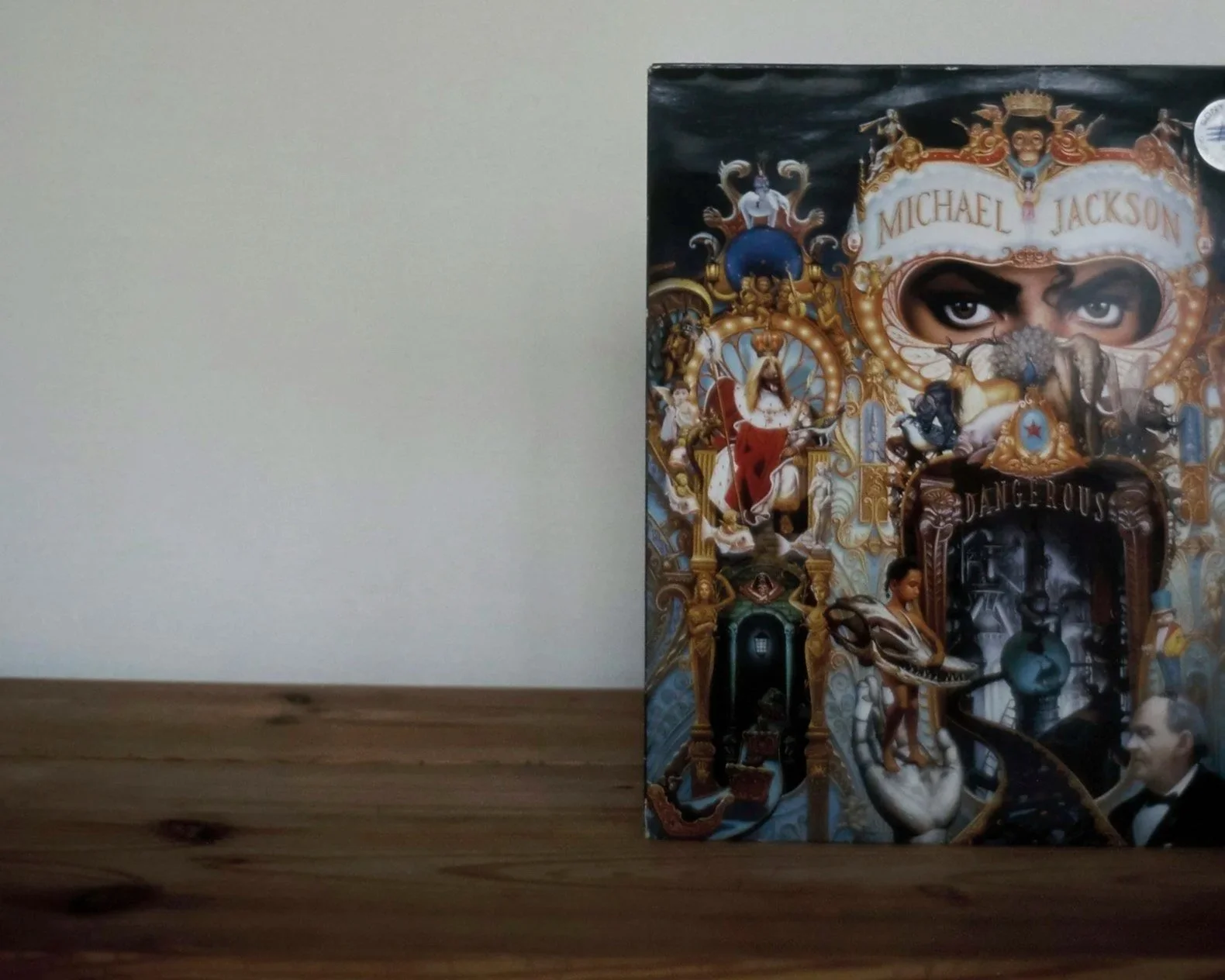
The Challenges of Making a Biopic: What the Michael Jackson Film Teaches Us
The release of the Michael Jackson biopic has reignited conversations about the challenges of telling a life story in just a few hours. From selecting pivotal moments to balancing truth and myth, biopics must make difficult creative choices. In this post, we explore why compressing a lifetime into 2 hours is such a daunting task.

Why Storage Matters in Filmmaking (And How It Shapes Your Workflow)
When people think about filmmaking, they usually focus on cameras, lenses, lighting, or editing software. The attention almost always goes to the tools that create the final image. But there’s one part of the process that quietly shapes everything else and rarely gets discussed: physical storage.