Tom Hardy, MobLand, and the Growing Power of Television Fandom
Recent reports and online discussion surrounding Tom Hardy and MobLand have sparked conversation among fans and industry observers alike. While the details continue to evolve, the audience reaction reveals something larger about modern television, star power, streaming culture, and the growing connection between viewers and the performers who bring their favorite characters to life.

Creative Lifestyle Update: Moving, Studio Reset & Design Inspiration
A personal update from AIL as I step into a new creative chapter, move into a new space, and explore how environment shapes creativity, filmmaking, and everyday inspiration.
Audience Psychology & Emotional Manipulation in Film: How Movies Shape What We Feel
Cinema is more than storytelling; it is emotional engineering. From editing and sound design to pacing and performance, films are carefully constructed to shape audience psychology and emotional response in real time. This post explores how movies manipulate feeling, why certain scenes become emotionally addictive, and how viral film moments are designed to stay with us long after the credits roll.
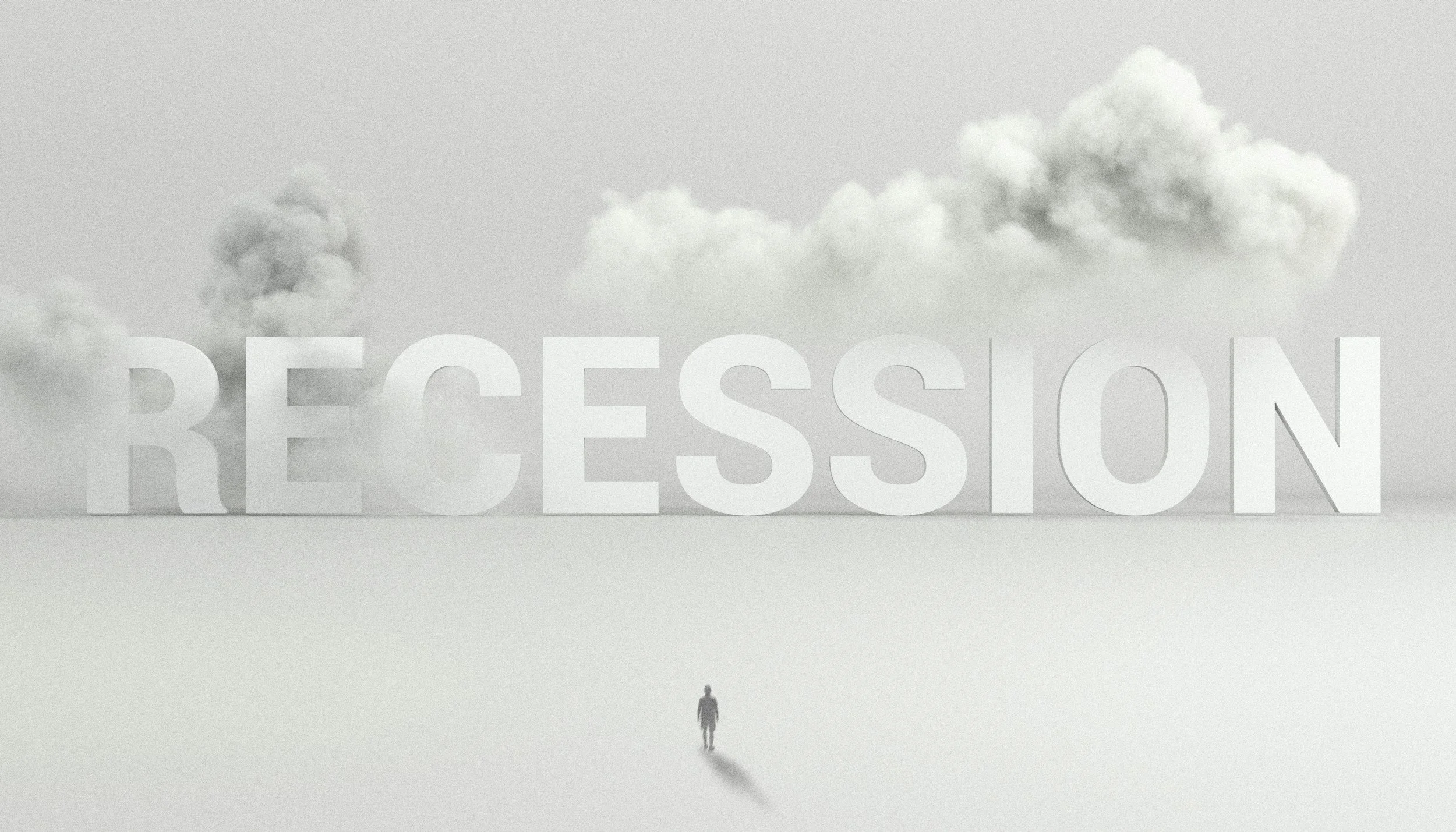
Recession-Era Entertainment: Why Stories Change During Economic Uncertainty
Why do films and television become darker, more grounded, and emotionally restrained during periods of economic uncertainty? This post explores the rise of recession-era entertainment, how financial instability shapes storytelling, and why audiences gravitate toward narratives rooted in realism during times of collective stress.
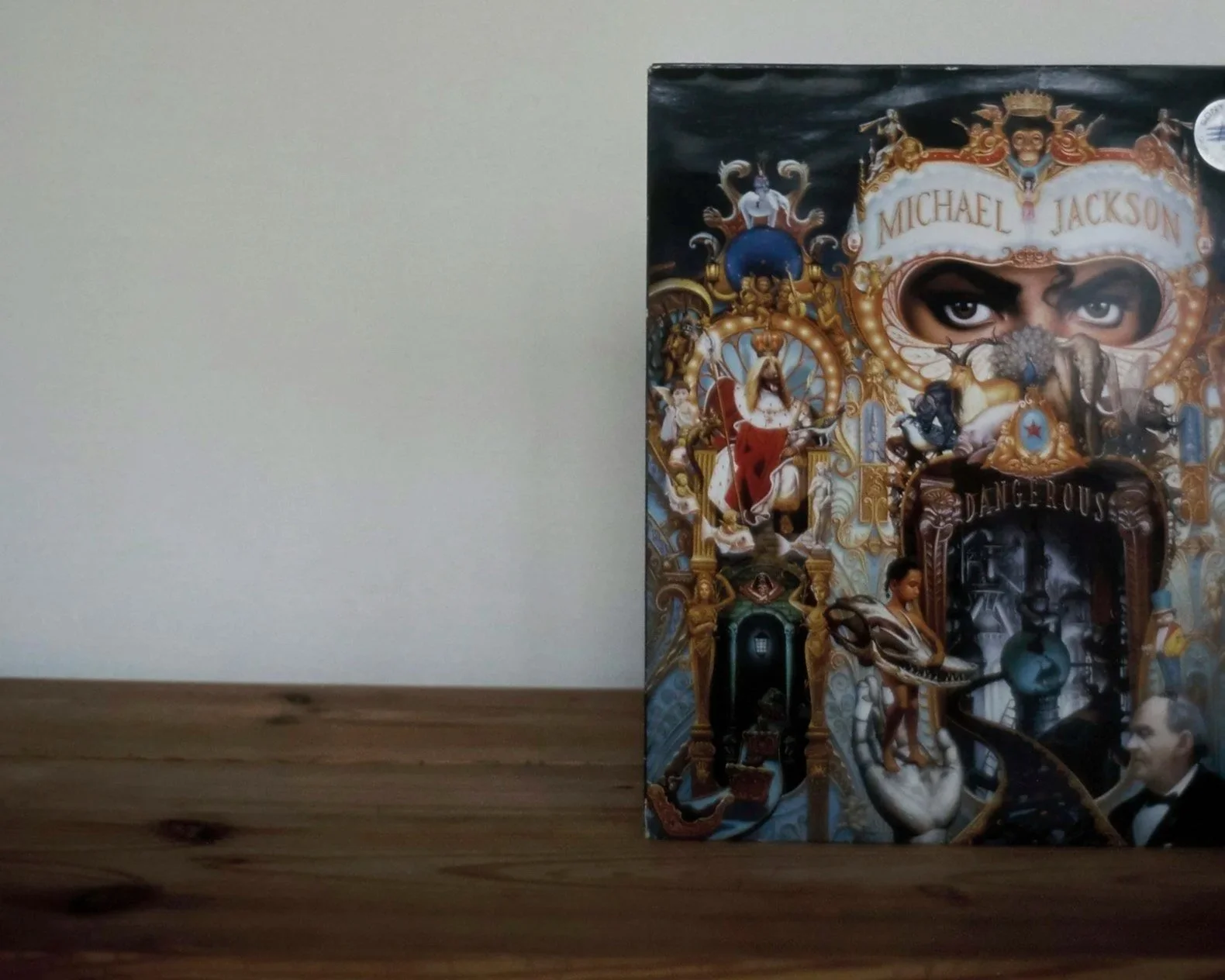
The Challenges of Making a Biopic: What the Michael Jackson Film Teaches Us
The release of the Michael Jackson biopic has reignited conversations about the challenges of telling a life story in just a few hours. From selecting pivotal moments to balancing truth and myth, biopics must make difficult creative choices. In this post, we explore why compressing a lifetime into 2 hours is such a daunting task.
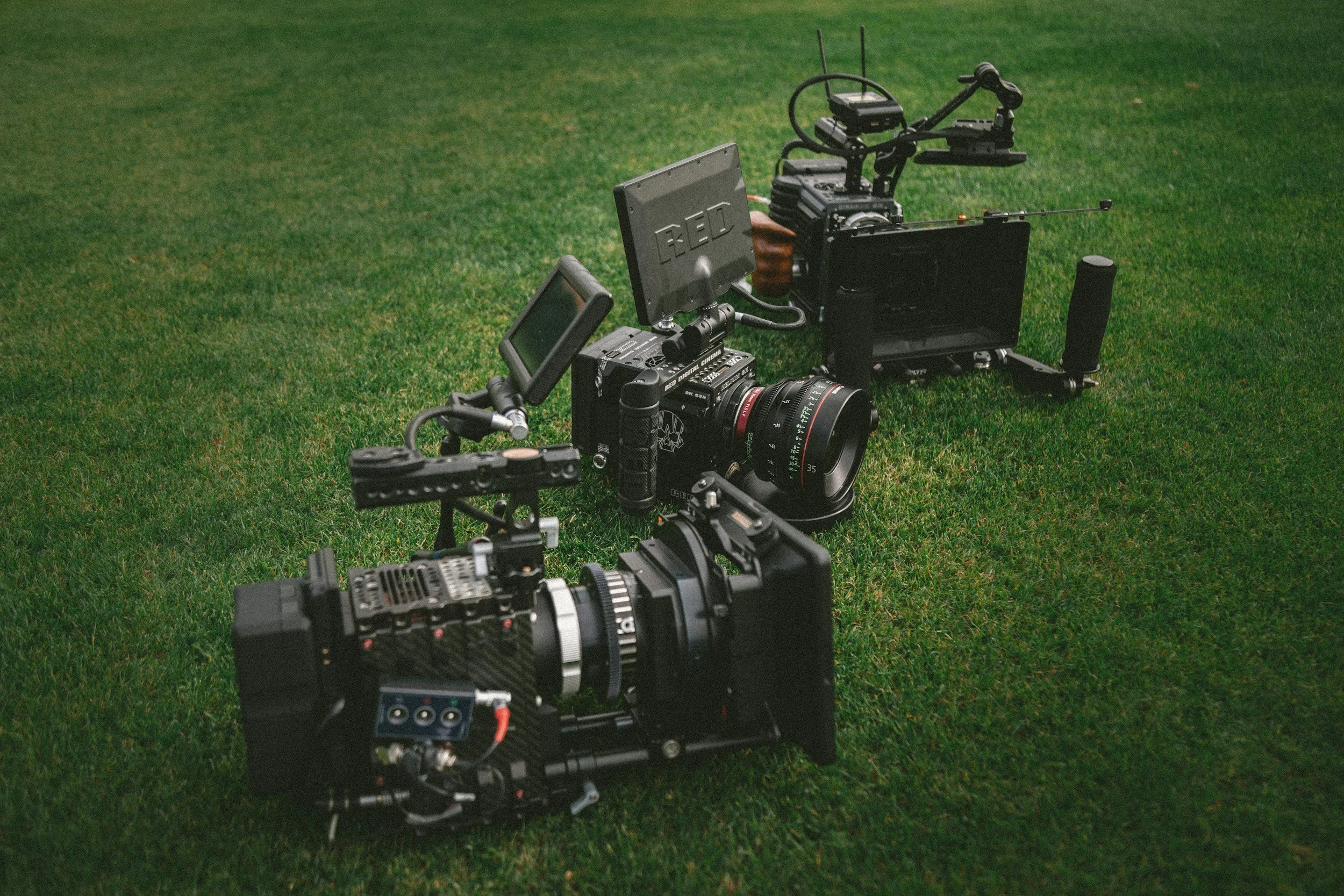
Why Storage Matters in Filmmaking (And How It Shapes Your Workflow)
When people think about filmmaking, they usually focus on cameras, lenses, lighting, or editing software. The attention almost always goes to the tools that create the final image. But there’s one part of the process that quietly shapes everything else and rarely gets discussed: physical storage.
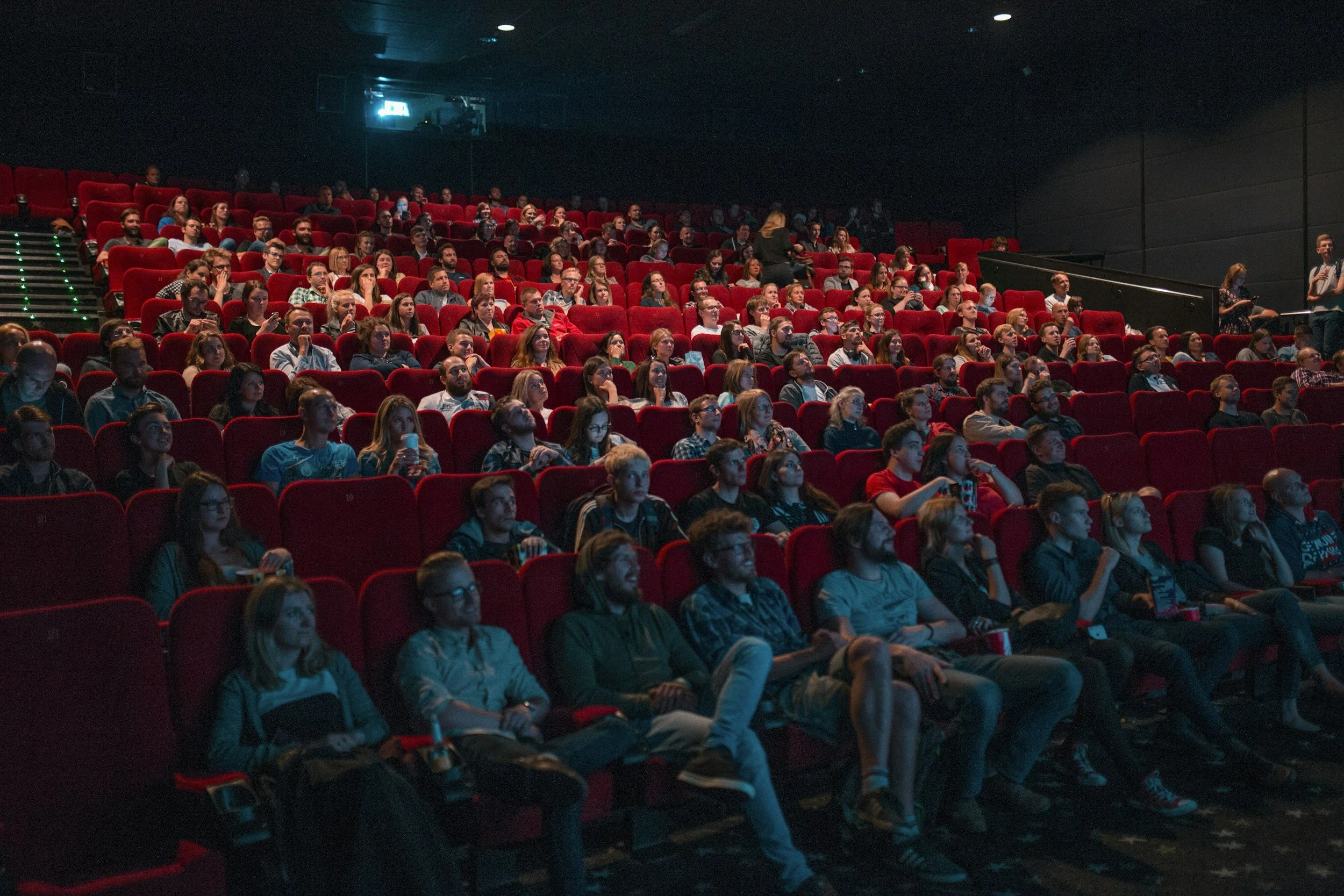
The Death of “Watching”: Why We Don’t Fully Consume Content Anymore
Today, that relationship has shifted in dramatic ways. We don’t really “watch” the way we used to. Instead, we skim, sample, interrupt, and often abandon content halfway through almost without thinking about it. Our attention has fragmented so much that finishing what we start has become the exception, not the rule. This shift reflects broader changes in technology, culture, and psychology, reshaping not only how we consume media but also how we experience and interpret it.

Mother’s Day at Home: 10 Comfort Movies for the Perfect Cozy Night In
Mother’s Day doesn’t always have to be loud or extravagant to feel significant. In fact, it can be deeply restorative to create a space that invites calm, connection, and comfort. Cinema, with its unique ability to capture the emotional nuances of motherhood from sacrifice and resilience to messy family dynamics and healing, offers the perfect companion for such a day.
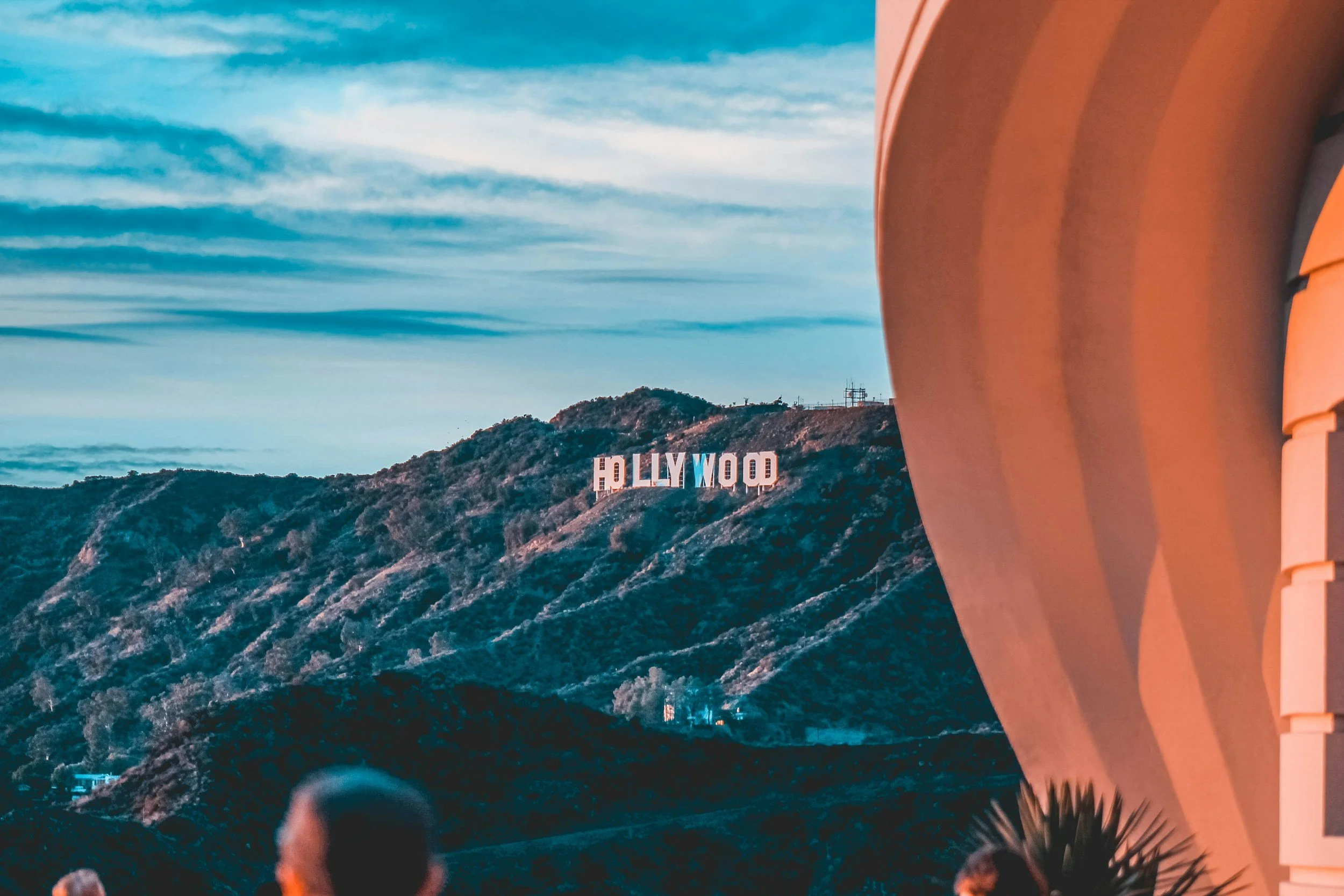
Hollywood’s CGI Problem: When Spectacle Replaces Substance
Yet, somewhere along the journey, this incredible tool shifted from being a powerful aid to becoming a crutch. Today, Hollywood’s deep reliance on CGI raises a pressing and somewhat uncomfortable question: are filmmakers truly enhancing storytelling through visual effects, or are they gradually replacing the very essence of storytelling with spectacle?

The Devil Wears Prada 2: Fashion’s Power in Film
The Devil Wears Prada 2 hits theaters May 1st, reigniting the iconic fashion and film synergy. As the sequel unfolds, we see how the world of couture and cinematic storytelling are inseparable. In this post, we unpack how fashion shapes film—and why the new Prada sequel proves that visual storytelling is a powerful language.

Paramount and Warner Bros. Explained: Hollywood’s Next Power Shift
In the entertainment world, headlines often move faster than reality.
Rumors spread quickly, deals are speculated on, and possibilities start to feel like certainty long before anything is finalized. Recently, conversations around Paramount Global potentially acquiring Warner Bros. Discovery have gained traction, sparking discussions about a merger that could reshape Hollywood.
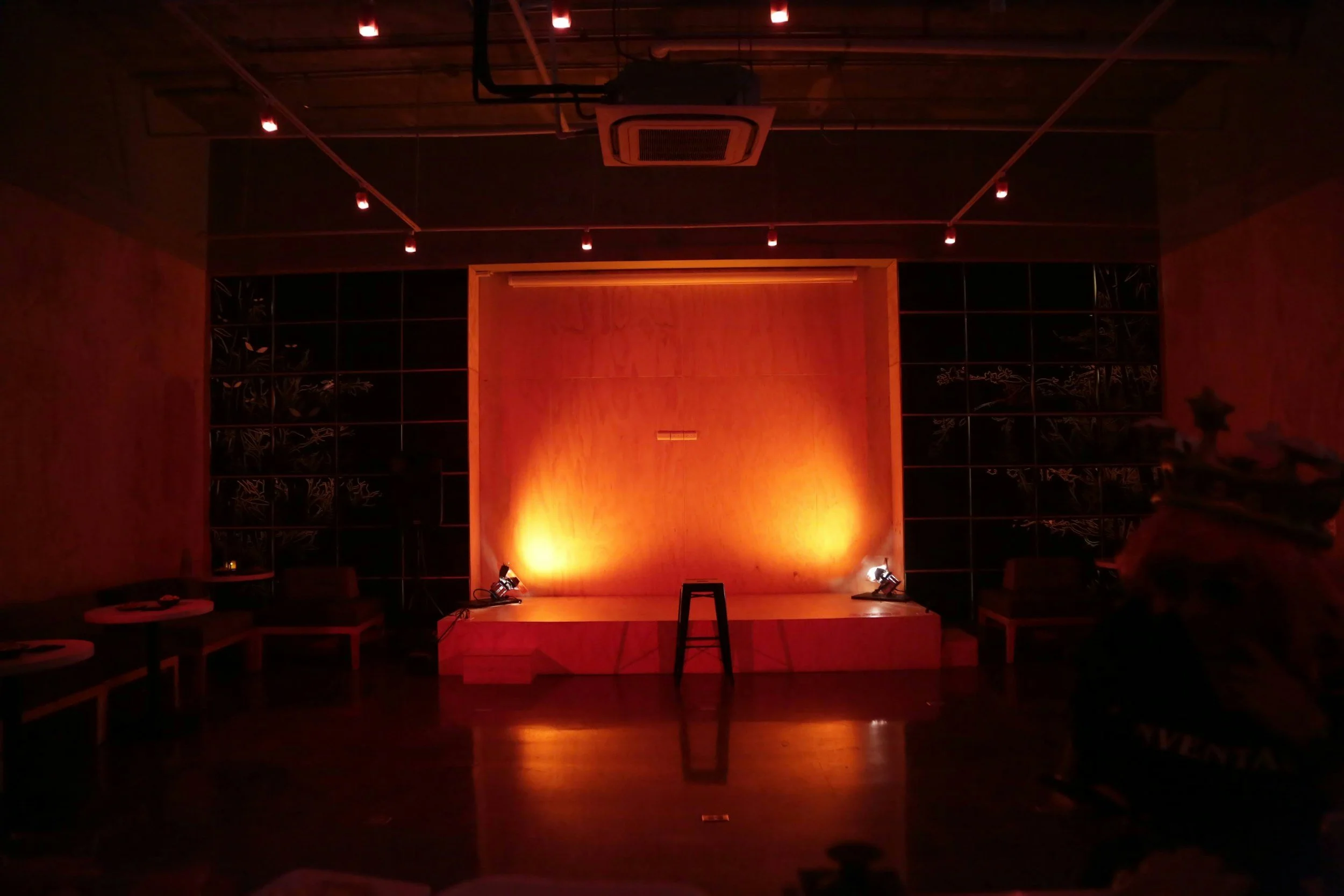
When the Environment Becomes the Character: The Power of Location and Set Design in Film
There’s something magical about certain films and shows where the setting sticks with you just as much as the characters themselves. We often remember the plot twists, the gripping dialogue, and the emotional arcs, but sometimes it’s the environment that lingers long after the credits roll. The places, the spaces, the atmospheres, they don’t just frame the story; they actively shape it. In some cases, they become characters in their own right.
How Algorithms Became the New Studio System
The film industry has always been about art meeting business, where human intuition, relationships, and the risk appetite of executives dictated what stories reached screens big and small. But with the rise of streaming giants like Netflix, YouTube, and TikTok, the game is changing dramatically. Algorithms have become the new studio system, quietly but powerfully deciding what content thrives and what disappears beneath the surface.

How to Focus as a Creative (Simple Strategies That Actually Work)
Whether you’re a painter with half-finished canvases, a writer battling the blinking cursor, or a designer juggling multiple projects, understanding how to harness your attention can transform your creative process. So, grab a cup of tea or your favorite beverage, and let’s explore the practical yet profound steps to focus better and why committing to a strategy is a game-changer.
The True Crime Cult: Why We Can’t Look Away
A cultural phenomenon that, whether we admit it or not, has quietly taken over our screens, playlists, and minds: true crime. If you’ve ever found yourself glued to a documentary, bingeing a podcast that retells a grisly tale, or scrolling endlessly through social media threads deconstructing murder mysteries, you’re not alone. True crime has evolved far beyond a niche interest; it’s become a full-scale cultural obsession. However, with this surge in popularity comes an uncomfortable question: why are we so fascinated by real-life tragedies, and what does that reveal about us?
The Reality of Fame and Personal Safety
Just recently, we’ve witnessed a series of unsettling events that reveal a difficult truth about life in the public eye: visibility does not equal safety. Even the most recognizable figures are not immune to harm.

Reality Dating Shows Prove Real Romance Isn’t What We Think It Is
Reality dating shows have become one of the most dominant forces in the entertainment industry. From luxury villas to dramatic rose ceremonies, these shows promise something audiences are endlessly drawn to love. Or at least, the idea of it.
The Price of Passion: Why Burnout Is Inevitable in Entertainment
While the industry dazzles us with creativity, glamour, and big dreams, there’s a shadow lurking behind the scenes: burnout. Not just the occasional tired day or a rough week, but the chronic kind of exhaustion that quietly drives talented people away from the career they love.

Comparative Study: Why Seoul Is Redefining Global Filmmaking
Seoul exemplifies the evolving nature of filmmaking as a flexible art form shaped by its environment and cultural context. Filmmakers in Seoul adapt their craft to reflect contemporary societal realities and shifting audience expectations. The result is a body of work that feels both distinctly local and globally relevant.

The Unsung Heroes of Action Cinema: Celebrating the Art of Stunt Performance
If you’ve ever found yourself on the edge of your seat during a pulse-pounding fight scene or gasped at a jaw-dropping car chase, chances are you’ve been swept away by the work of stunt performers. These incredible athletes are the silent architects behind cinematic thrills, executing jaw-dropping feats that define the action genre, yet often their names are left off the marquee, their contributions invisible to most audiences.